The diet tweaks that can improve your skin
Rather than splashing out on a new cream or beauty supplement, try levelling up your skincare by making a few updates to your diet.
By Annabel Rackham
As a nation, we’re fascinated with finding the latest miracle moisturiser or quick-fix serum. And we’re happy to spend big, with the British skincare industry recently valued at £2.39bn.
It’s become common to shell out for more invasive treatments too, with a reported 7.7m Brits saying they’ve had procedures like fillers and Botox to alter the way they look.
With social media filters and edited photos in adverts shaping our expectations, it’s little wonder we’re investing so much in the pursuit of skin perfection. But are we missing a trick?
Calculator: Are you getting all the nutrients you need?
Could your skin be impacted by your nutrient intake? Check whether it's likely you're low in specific nutrients with this calculator
For those of us who aren’t already considering diet as part of our skincare routine, the answer is yes.
There is a strong relationship between what we eat and drink and the health of our skin, says Ellie Coles, a registered dietitian and university lecturer.
Diet is just one piece of a larger puzzle of influences on our skin – which Coles describes as “a complex interplay of genetic, environmental and lifestyle factors.” But it is one that we are able to tweak and optimise, and it can have a tangible impact on skin-related niggles like blemishes, dryness and lines.
Alas, there are no miracle foods out there that can solve all our skin-related woes – but there’s no doubt that improving eating and drinking habits can help the way our skin looks overall.
Save these programmes to your BBC iPlayer watchlist:
- The skinny jab uncovered(contains strong language)
- Dr Xand’s Con or Cure
- Dr. Chris and Dr. Xand Investigate
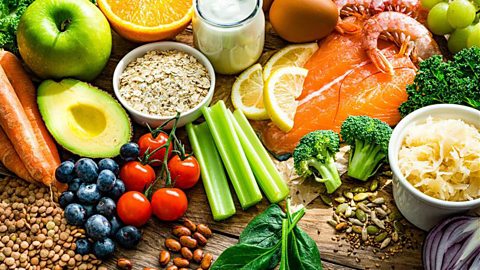
“The good news is that the advice is very similar to general healthy eating recommendations,” says Coles. “A well-balanced diet that includes a variety of nutrient-dense foods can have a significant positive impact on skin health.
Here’s what you need to know.
Eat foods rich in omega-3 fatty acids
The “number one” thing you can do for your skin through your diet is to make sure it includes plenty of omega-3 fatty acids, says Dr Alexis Granite, a consultant dermatologist and founder of a skincare range.
“They are found to help improve hydration in the skin and can also have anti-inflammatory properties.”
Omega-3 is found in oily fish such as salmon, tuna and mackerel.
The current UK guidelines suggest we should be eating one portion of oily fish a week. Plant-based sources like walnuts, chia seeds and flaxseeds contain ALA (alpha-linolenic acid), which also helps to reduce inflammation, improve circulation and support healthy vision.
It’s thought omega-3 aids cell membranes which reduces water loss and helps to maintain the moisture already in the skin. That said, there does need to be more research to investigate exactly why and how this happens.
Smoked mackerel and roasted new potato salad
You can take the work out of prepping fish by buying it pre-smoked

Get your five-a-day (especially yellow, orange and red veg)
“A diverse range of fruits and vegetables provides essential vitamins, minerals and antioxidants, all of which help protect the skin from oxidative stress and promote skin repair and renewal,” says Coles.
Quick vegetable pasta
With whole wheat pasta and vegetables, this is a great, healthy dish

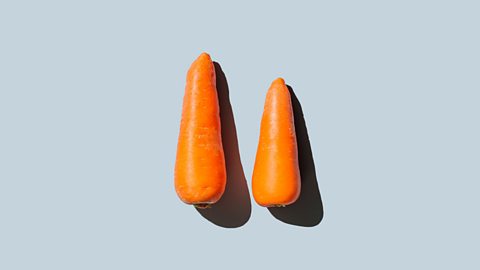
Granite continues: “Beta-carotene, which you can find in carrots, sweet potatoes, bell peppers – anything yellow, orange or red – is converted into vitamin A.”
Vitamin A helps our skin because it’s converted into retinol which helps keeps skin healthy.
“Those same foods are also good sources of vitamin C,” says Granite. “Vitamin C is necessary for producing collagen within the skin. Both vitamin A and vitamin C have good antioxidant properties as well.”
But be warned, while it’s a great part of a balanced diet, don’t be tempted to turn to vitamin A supplements without seeking advice from a medical professional. Too much could be dangerous for your health.
Listen to Sliced Bread on BBC Sounds podcast
Are more expensive face creams worth it? Greg Foot investigates in this episode of Sliced Bread

Drink more – but avoid alcohol
Staying well-hydrated is vital for your skin health, say experts.
“Your skin, like all cells, needs water to function. So, you should aim to drink at least two litres of fluid per day. It doesn’t need to be just water, either – tea, coffee, low sugar squash and milk all count towards your fluid intake,” says Coles.
“But drinking more than the recommended amount won’t magically solve dry skin,” she points out.
Alcohol can dehydrate the skin, which reduces its ability to retain moisture. Alcohol may worsen skin conditions, too, contributing to flare ups of eczema, psoriasis or acne.
She suggests that if you do choose to drink alcohol, aim to stay within the recommended limits of 14 units a week, ensuring you have at least two alcohol-free days. Remember to drink water alongside alcohol to stay hydrated, too.
BBC One’s Con or Cure busts the skin-health myth of ‘facial icing’ – watch the series on BBC iPlayer now
Up your zinc
“Making sure you have enough zinc in your diet is also important,” says Granite. “Broccoli, shellfish and legumes are good sources and are great for supporting skin health and skin function.”
Our bodies can’t make zinc, so we have to get it through our diet and consume it regularly.
Zinc acts as an antioxidant, protecting cells from damage. It’s also linked to wound healing.
While some evidence focuses on topical applications of zinc, there’s evidence that having it in your diet or taking it orally offers benefits to those with ‘acne, eczema, psoriasis, and chronic wounds’.
Avoid a diet high in refined sugars
Granite suggests limiting refined sugars.
“They can lead to free radical damage in the skin which can trigger the breakdown of collagen and elastin,” she explains.
But the myth about chocolate causing breakouts and even acne doesn’t stand up to scrutiny. There’s no strong evidence to support the claim, and some studies even suggest that “dark chocolate may offer protective benefits for the skin due to its high flavonoid content, which acts as a potent antioxidant,” says Coles.
However, before you reach for your favourite bar, Coles says it is important to consider that some chocolate, particularly milk and white chocolate, can be high in fat and sugar which, when eaten in excess, could contribute to skin issues by causing inflammation.
“Inflammation causes a disruption of normal skin repair and overactive inflammation can cause skin irritation, discomfort and redness,” as well as potentially exacerbating skin conditions such as acne and psoriasis.
“As with all foods, moderation is key.”
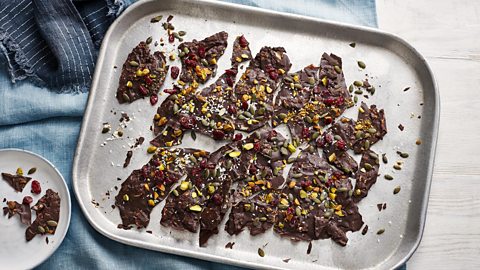
Chocolate matzo bark
Switching to dark chocolate? Try this fruit and nut bark
Don’t avoid dairy unnecessarily
The idea that dairy is bad for your skin and can even be the cause of some conditions like eczema is a common misconception according to Coles, who points to the lack of evidence.
“Myths about chocolate and dairy should be viewed with caution, as they oversimplify a much more intricate interaction between diet, hormones and skin health.”
But, given that fat is sometimes linked to inflammation if consumed in large quantities, she recommends including some low-fat dairy items in the diet, such as skimmed milk, fat-free yoghurt and reduced fat cottage cheese.
“Low-fat dairy is part of the balanced dietary recommendations based on the Eatwell Guide. It retains the same levels of calcium, protein and other nutrients as the full-fat versions.”
Prioritise gut health
Research into gut health is in its early stages. But while we don’t fully understand the relationship between gut microbiome and skin health yet, there is evidence to show that improving the former can impact the latter.
The hope is that with time we’ll be able to treat skin conditions including eczema, rosacea, acne and psoriasis by focusing on our gut health.
Kimchi
Kimchi is a fermented food and surprisingly simple to make

“To maintain a healthy gut microbiome, we should be eating foods rich in fibre like fruits and vegetables and wholegrain carbohydrates, as well as probiotics found in fermented foods,” she says.
Brown rice, quinoa and oats are great examples of wholegrain carbs, while fermented foods include kimchi, sauerkraut and kefir.
Advice from the British Dietetic Association also reminds us that any attempts to improve our skin through our diet should be conducted in association with good stress management, a regular sleep schedule, the avoidance of smoking and the use of sunscreen.
Originally published June 2025
Want more? Visit BBC Food on Instagram, Facebook and Pinterest or watch the latest Food TV programmes on BBC iPlayer.