
A special guest post from Claire Boothby, BTO Garden BirdWatch Development Officer.
Garden feeding
Looking out for garden birds
I have always enjoyed watching the birds in the garden, putting out food and watching the birds dart onto the feeders. I am certainly not alone, as more people than ever are feeding garden birds. We predict that we’re putting out double the volume of sunflower hearts and fats than we were in the late 1990s! By attracting and watching the birds in the garden we can often feel close to nature, and research shows that this could be good for our health.
Attracting garden birds
Many people often ask how to attract birds into the garden and one way is to garden for wildlife. Some choice trees and shrubs can be invaluable, offering nesting opportunities, providing shelter and a great source of food through seeds and berries. It is also good to attract invertebrates,which are an important part of our ecosystem, including providing food for insect-eating birds. Remember that birds also need water, so a bird bath, or a wildlife pond are important components of any wildlife garden.
Of course putting out supplementary food can also help attract the birds, and it’s been found that providing food can be a lifeline, aiding over-winter survival and reproductive success in a range of species. Seed-eating birds, including many species of finches, sparrows, and buntings such as Reed Bunting and Yellowhammer, make good use of bird feeders over the winter months. Many of us use sunflower hearts, mixed seed and peanuts, which are well used by sparrows, tits and finches, however there are other foods you can provide and a number of feeder types, to suit a range of species. From experience, where space allows, it’s best to put out a number of feeders scattered around the garden to avoid competition, and to only put out a small amount of food at a time, so uneaten food doesn’t linger too long.
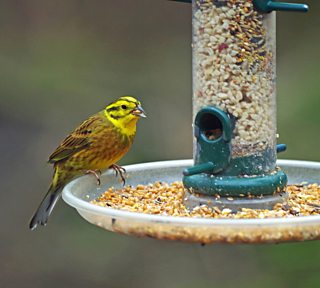
Credit: Eric Niven
Keeping birds safe
Unfortunately there are a number of diseases that can affect wild birds and if a diseased bird makes it to your garden your food, feeders and water baths may become contaminated. If we put food out for the birds, it’s important to maintain good hygiene standards and to look out for signs of disease. Luckily, there are a number of measures you can take to help prevent the spread of disease.
One of the most noticeable trends in British birds in the last decade is the decline of Greenfinches, which is due to the disease trichomonosis. Since 2005 the population of Greenfinches has declined by over 60%. It is quite distressing to see the sick, lethargic birds, which often have difficulty swallowing. BTO Garden BirdWatch is a partner of the Garden Wildlife Health project, and together we’ve come up with measures to put in place when you see a sick bird in the garden that might be infected with trichomonosis. Any sightings of sick or dead birds can be reported online, which helps us to keep an eye on the health of our garden bird populations.
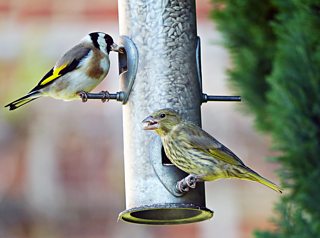
Credit: Davidcutts1
Changing tastes and amazing finds
Together with network of 13,000 volunteers, the Garden BirdWatch Survey has made some great discoveries. One example is tracking the long term increase in Goldfinch visiting our gardens. This species is recorded in the highest percentage of gardens in April and has risen from being seen in 21% of gardens in 1995 to 70% in 2017. Interestingly, we have also shown that their taste in foods has changed over time; swapping from a preference for nyjer seed to sunflower hearts.
We’ve also provided evidence that feeding garden birds and changes in climate have helped drive the evolution of a new migratory path for Blackcap. Since the 1950s Blackcaps from Germany and Austria have started to over-winter in the UK and are most likely to be found in gardens providing a reliable source of food (particularly sunflower hearts and fats). If you watch the birds in your garden and want to help us make discoveries and undertake research into garden birds, then please join our network of like-minded people across the UK, by supporting and taking part in the BTO Garden BirdWatch Survey.
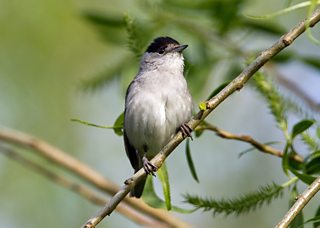
Credit: Simon Richardson
