Regional news deserves credit from the BBC and the internet giants

Ian Carter
is editorial director of KM Group, the Kent news network
Ian Carter argues for fair attribution by BBC News of stories obtained from local media, but says the biggest competitor of regional news is now social media.
The KM Group and the BBC may differ in scale, but our raison d’être is so close as to be interchangeable. Is it not ironic then that the BBC and regional news publishers are so often portrayed as mortal enemies?
As an industry we are probably guilty of creating a perception that we blame the BBC above all others for the challenges we face; we do not. It is not the fault of the BBC that Google, Facebook and Twitter - despite not having offices or staff in Kent - came out of nowhere a decade ago to become swiftly our biggest competitors.
We are now so hooked on the audience the social media behemoths drive to our websites that we hand over our most precious commodity - our content - for free whilst continuing to protest at the BBC drawing inspiration from those self-same stories.
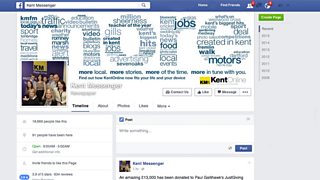
The skewed logic of the situation struck home whilst I was idly looking at the Facebook page of one of the KM’s paid-for newspapers, the Sheerness Times Guardian, in the early summer.
The Times Guardian serves what is classic local publisher territory: a community literally separated from the mainland and where outsiders remain outsiders until they have lived on the island for decades.
It is the kind of community a Silicon Valley software company traditionally could never have penetrated, yet here we are willingly handing it the best of our reporters’ stories every day to provide them with just such a foothold.
It was one such story involving the latest controversy over the Sheppey Crossing that sparked a fierce debate in the readers’ comments. One leapt out at me: “Isn’t it great now that we’ve got Facebook? Who needs the Times Guardian any more to find out what’s going on?” There it was in black and blue: a Sheppey resident reading and commenting on a story uncovered, written and posted by a Times Guardian journalist whilst completely overlooking the central role that reporter had played in bringing it to their attention.
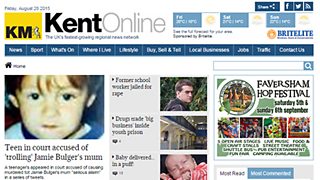
You can apply the same scenario to the social media network of your choice as people land on our KentOnline website from a tweet or Google link and leave again as soon as they have snacked on their chosen story, without pausing to consider who prepared it for them. And we continue to partake in this unholy marriage in the full knowledge that an unannounced tweak to the Google algorithm here or the introduction of a Facebook Instant Article there has the potential to cause further massive disruption to our business.
Just as worrying are those bodies - such as police and public authorities - which are rapidly recruiting journalists from established publishers on salaries the commercial sector simply cannot afford to pay. You will not have to look hard to find your local force or council masquerading as a publisher, pumping out breaking news across social media, the web and in their own publications.
Inevitably, you will have to search a lot longer to find anything resembling a probing question or criticism. Compare this to our relationship with the BBC and you soon question whether the corporation should be the main target of our protests or whether we should in fact be working together for the greater good.
This is an edited version of a chapter by Ian Carter from a new book, The BBC Today: Future Uncertain, edited by John Mair, Richard Tait and Richard Lance Keeble, published by Abramis on 5 September.
