BBC output must keep pace with audiences’ fast-changing lives

Paul Mason
is culture/digital editor, Channel 4 News. Twitter: @paulmasonnews
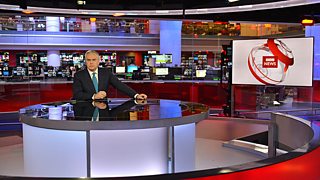
Paul Mason, formerly Newsnight’s economics editor, has joined Channel Four News as its culture and digital editor. Before leaving the BBC, he filmed an interview for the College of Journalism in which he reflected on his 12 years at the BBC and the challenges the corporation faces as its audiences change their patterns of media consumption. This is an edited transcript from that interview.
When you walk into a Nigerian village on the Muslim-Christian border or a trouble spot in Kenya, or when you go to Bolivia and you’re knocking on the door of the presidential palace, the letters BBC mean much more than they do here in London.
In the past 10 years the world has changed so radically in how people consume information and understand what truth is that, to preserve what those three letters mean, we’ve got to constantly innovate. That’s the only way to maintain the magic dust which you have by throwing the BBC business card on the table, and have people say: “You may be a white bloke from somewhere we’ve never heard of but we do know that you have this global reputation for telling the truth and being impartial.”
Millions of people are now on websites that are not that interesting to a highly educated middle-class person. But out there people are accessing all kinds of information that we don’t properly get our heads round. That is the universe they live in.
We may think they should live in a universe of BBC, Channel Four, maybe Al Jazeera, but they don’t. They live in a world with an alternative tone of voice, and an alternative kind of consumption of news and information. To many people, Wikipedia is news; Twitter is a news service.
Our problem is when Wikipedia and Twitter become more believable than the BBC because they sound more authentic. Or because they are better peer-reviewed - in real time: ‘that’s wrong, change it.’ They are both subject to more peer-review than BBC output.
Digital consumption of all media has changed how people think. Academics call it ‘the networked individual’: they’re quite classless and they’re very unloyal to anything they think is untrue. The problem we’ve got as public service broadcasters is to produce stuff that engages them as well as BBC content did with the 1950s and 60s generations, or Northcliffe newspapers did with people in the Edwardian era - things that make them go 'wow, that is so true, and so like my life that I’ve got to watch this every day.'
I think the rules under which the BBC works are generally the right rules, and the principles are the right principles. I don’t think editorial managers need to acquire new skills. What they need to do is to apply an old principle to a new and rapidly changing society. The principle used to be written on our BBC ID cards: audiences - that was the number one thing we worried about. Audiences are diverse and fragmented, but we need to get out there and listen to them.
Editorial leadership at the BBC has become more modern since I joined 12 years ago. A more diverse set of people now get to be editorial leaders. But the organisation can still feel like it is set up to be led by a kind of patrician elite. There can be a jarring sometimes between newer, younger editorial management and the way the organisation responds to commands and requests.
The danger sometimes is that the signals that come from the top are 'don’t mess up' (sometimes put a bit more forcefully), whereas the signals should be from the outside world, saying 'you’re not ordinary enough, you’re not believable enough, you’re not innovating enough.'
If I said one thing on leaving this building it would be: become more receptive to those signals.
