Lime Grove at 100: Remembering a great BBC studio

John Mair
is a journalism lecturer and former broadcast producer and director. Twitter: @johnmair100
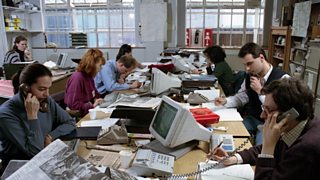
The Panorama production office, BBC Lime Grove studios, 1991
What do Jeremy Paxman, the current and last two director-generals of the BBC, the information commissioner, Christopher Graham, the former controller of BBC One, Lorraine Heggessey, the former editor in chief of ITN, Richard Tait, and the Oscar winner Jon Blair have in common with many other media glitterati?
Answer: they all worked at the BBC’s Lime Grove studios in Shepherds Bush before it was sold off during the time of director-general John Birt. As someone recently put it “John Birt shut the place. And when Birt shut something, it stayed shut.” In this case it also stayed shut because it was knocked down in 1993 to make way for social housing.
Lime Grove already had an illustrious history as a UK film studio before it was bought by the BBC in 1949 for £230,000. That’s how this year turns out to be the studio’s centenary. And that was why a collection of veteran Lime Grovers gathered to celebrate its 100th birthday earlier this month.
Jeremy Paxman was master of ceremonies at the event in Television Centre. In a hymn of lacerating praise to the old studio (“a complete and utter dump”), Paxman said it was the spirit of the building - as he experienced it as a member of the BBC’s Current Affairs department - that made it special. Lime Grove was grubby, chaotic and fitted the old cliché about rabbit warrens. But, more important than all that, “it wasn’t Television Centre. It wasn’t Broadcasting House. And crucially, therefore, it was nowhere near the bosses.”
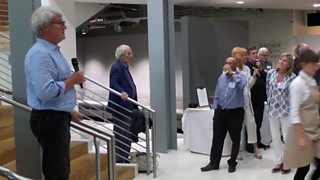
That almost anarchic Lime Grove spirit was reflected in the programme output. As Paxman remembers it, his Current Affairs colleagues liked to ask ‘which bit of the establishment can we have a go at this week?’
The range of programmes coming out of the building stretched from the heavy to the light - from Robin Day grilling Margaret Thatcher to Nationwide’s legendary skateboarding duck. There was also drama - including Dr Who, Steptoe and Son and the early soap opera the Grove Family. And there was Children’s - such as the classic Muffin the Mule. But back to Current Affairs: “The IQ of the producers may have been in inverse proportion to the IQ of the average viewer,” said Paxman, “but everyone understood that nothing is more weighty than lightness.”
Paxman was a part of the Lime Grove fabric with distinguished spells on the road for Tonight and Panorama before settling into the comfort of a warm studio for London Plus and then Newsnight.
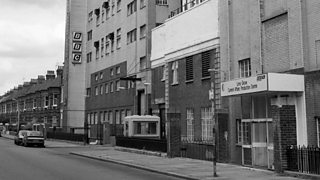
Lime Grove, Lime Grove - so good they named it twice
With all due respect to Jeremy, an even more distinguished screen presence in the Lime Grove story was that of the original Tonight presenter Cliff Michelmore. He appeared on film for the event: interviewed, aged 95, in his Dorset home about his memories. He was on sparkling form, remembering, among other things, how one of the Lime Grove houses that were also acquired by the BBC alongside the studios, and was used as the Blue Peter office, had formerly been the workplace of a well-known Shepherds Bush prostitute.
Producing vibrant, creative programmes from a ‘dump’ was part of the magic of the BBC production, and what Paxman referred to as “a certain way of looking at the world… the spirit of Lime Grove”. Those present agreed with him that it’s a spirit the BBC must continue to foster - even with the disadvantage of cleaner, better designed studios.
John Mair worked as a researcher and producer in Lime Grove from 1979 to 1985 on Tonight, Nationwide, Watchdog and London Plus.
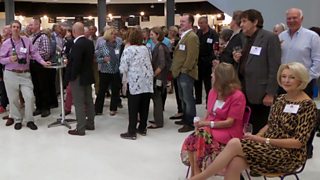
Lime Grovers
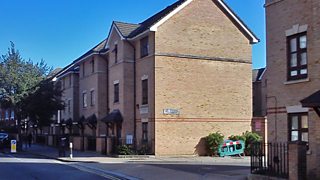
Lime Grove today
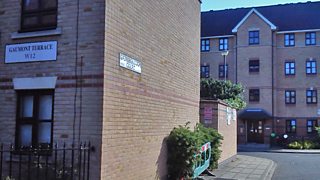
The new housing development acknowledges the site's movie-making past
