The perils of the frontline - a BBC conference

Susan Blackburn
is a television journalist, currently organising the College of Journalism's hostile environments day
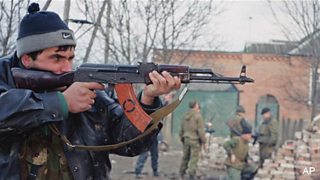
Foreign correspondents are the high-profile casualties, but often the victims are local freelance journalists covering conflicts in their own country. Their deaths seldom make the news.
International news organisations rely on freelancers, particularly in the parts of the world that are dangerous - where they can’t get access because of conflict or press censorship. But freelancers don’t have the same access to training or protection.
It’s for this reason that the College of Journalism is holding Working in Hostile Environments - a one-day event at New Broadcasting House in London on Thursday 21 November. The BBC will share with as many freelancers as possible the expertise it has gained from nearly 60 years of newsgathering.
Sian Williams will host the day in the BBC Radio Theatre, chairing discussions, in conjunction with INSI and the Rory Peck Trust, on what it’s really like to work in the world’s troublespots today, and the responsibility of commissioners for the safety of freelance staff.
There will be workshops by the BBC’s deputy head of high risk, Karen Peek, on risk assessment and protection during an assignment; an introduction to battlefield first aid by Grant Wootton of First Option; and Professor Neil Greenberg will talk about trauma management and the TRiM method.
