What trended in 2012 - a canter through social media’s big hitters

Eve Burrough
is a research assistant in BBC Marketing & Audiences
At the end of a week that has seen the state of social media debated by some of the biggest and most innovative players in New York and London, as well as a blog-storm of commentaries post-Boston - some, more insightful than others - here is a snapshot from BBC Marketing & Research of what has been trending on social networks over the past year:
Social media is powered by what we are interested in, so the most popular stories of the year mirror the things that grab our attention more generally: breaking news stories, celebrity gossip, sporting successes, scientific achievements and music.
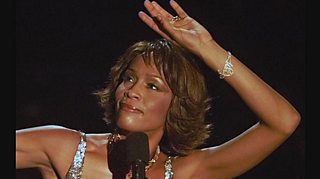
The single biggest story of 2012 within social media was the tragic death of Whitney Houston. It featured on the top 10 trends of many social networks. But 2012 will also be remembered for the London Olympics, Hurricane Sandy, the US presidential election and of course the ubiquitous horse dancing of Psy.
Major stories and events transcend individual social media services, so there are similarities when looking at most liked, viewed, commented on, searched and trending topics across different networks. However there are some noticeable differences:
Twitter - sport is more prominent, with the Olympics, Superbowl, Euro 2012 and UEFA Champions League all among the top 10 trends.
Facebook - news stories generate the most discussion, with the Diamond Jubilee, US presidential election and the death of Trayvon Martin featuring in top trends by country.
YouTube - while music is undoubtedly popular on YouTube - Gangnam Style and Call Me Maybe being two such examples - both Kony 2012 and Felix Baumgartner’s jump from the edge of space featured among 2012’s top trending videos.
The distinctions make intuitive sense. Twitter’s time-based hierarchy prioritises ‘in the moment’ information, making it ideal for breaking news and sports information. Facebook emphasises content types and relationships, enabling longer and less time-sensitive conversations around topics. YouTube can move beyond music and film to other emotive and entertaining forms of visual entertainment. And it can have staying power.
Perhaps surprisingly, Wikipedia’s most read pages of 2012 have a popular culture skew, with One Direction, The Avengers and Fifty Shades of Grey all prominent.
Search, in contrast, focuses on specific keywords and individuals rather than topics. Kate Middleton and the iPad 3 both feature in Google’s 2012 Zeitgeist. However, both the top overall search term and the most read page on Wikipedia was Facebook, suggesting that even in 2012 people navigate in ways that aren’t necessarily the most efficient.
As with specific services, major stories are popular worldwide - the Olympics and Whitney Houston were major topics across the world. And similarly the examples of stories remain consistent, though the specific manifestations vary.
For example, UK specific trending topics in 2012 include One Pound Fish, One Direction, the Diamond Jubilee and Fifty Shades of Grey. These get replaced in US-focused lists with topics such as Kony 2012, the death of Trayvon Martin and Linsanity.
Regular events such as the MTV Music Awards and the Champions League consistently appear in the most popular topics across multiple years. But similarities also occur with the types of news event that are heavily talked about and read - with the reaction to Whitney Houston’s death in 2012 following on from a similar reaction to the death of Amy Winehouse in 2011.
So what do we take from this data? At risk of stating the obvious, major stories are major stories, and media organisations such as the BBC are experts in content curation. From both experience and instinct we should know which stories are likely to have the most resonance with audiences. Social media reflect those - whether local, national or international - and integrating social into the content we offer enables us to be a part of the conversation.
We need to take account of varying reaction times. Twitter is live and real-time, so requires quick response to become part of trending topics. YouTube content has a much longer shelf life, and in some instances can be timeless. These differences are worth thinking about when deciding how to engage with audiences across different services, and preparing for potential reactions to our output.
The predictability of many resonant topics is an opportunity to plan ahead to ensure your content plays an important role in what audiences are talking about. Yet, as we saw recently with Chris Stark’s interview with Mila Kunis, there is also an element of spontaneity and we have to be able to be reactive as well as proactive in this space.
This is an edited version of an article published on the BBC’s audience portal, available only to BBC staff.
