Journalists in danger: Symposium steps up pressure on safety

Cathy Loughran
is an editor of the BBC Academy blog
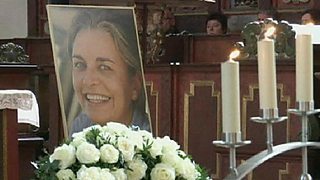
New figures from Unesco show that more than 540 journalists have been killed for doing their job since 2007, with less than one in 10 cases of targeted attacks ever resolved. Against the background of these and plenty of other chilling statistics, last week’s London symposium Making the Protection of Journalists a Reality: Time to End Impunity set itself the task of producing strategies to combat impunity.
You can watch sessions from the symposium on YouTube.
What the media itself could do better was a central theme already touched on in this blog by ProPublica’s Paul Steiger and Joel Simons of CPJ. Opening the London conference, BBC Global News director Peter Horrocks was candid: “If I look at the BBC’s record of coverage and influencing in this, I think we focus less on threats to the media than we might do - as is true of many media organisations.”
In his keynote address to the dozens of international editors, front-line reporters, representatives of NGOs, legal and diplomatic figures gathered at BBC Broadcasting House, Unesco’s influential delegate Guy Berger laid it on the line: “You, members of the media, can report much more about journalistic safety - and, especially, you can follow up much better on cases of impunity.”
He countered, one by one, the standard objections to wider coverage of attacks on journalists, arguing: “The killing of a journalist leaves an information gap and enlarges this by stimulating self-censorship.”
His recommendations to the media community? “Know what’s happening - and not happening - concerning the processes around impunity; alert audiences to progress and lack of progress; play the classic watchdog role, hold governments accountable; and ask tough questions.”
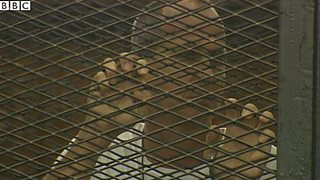
Colleagues Peter Greste, Baher Mohamed and Mohamed Fadel Fahmy continue to be denied bail after eight court appearances on what al-Jazeera English head of newsgathering Heather Allan told the conference were “trumped up charges”.
Despite “enormous” international pressure on the Egyptian authorities to release the men, it was now a “face-saving game”, she believed, admitting that her Qatari-owned network was “a toxic brand in Egypt”. But the government has managed to silence everyone, not just al-Jazeera, Allan said. One response would be to “beef up” the network’s already “very robust human rights desk” and continue to feature World Press Freedom Day in its output.
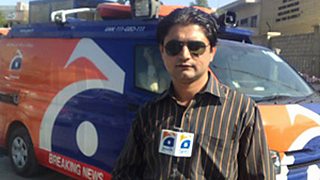
The conference heard front-line testimony about the risks facing journalists in Latin America, Pakistan, Turkey and beyond.
Marcelo Moreira, editor with TV Globo in Rio de Janiero, described the escalation of attacks on journalists in Brazil during months of protests against the cost of staging the Fifa World Cup. More than 160 had been injured by both police and protesters on the streets, and 15 journalists had been killed in the country in the past five years. Threats, intimidation and impunity is resulting in wide spread self-censorship, he said. The announcement of some government measures to protect journalists had not translated into action.
BBC Turkish reporter Selin Girit and Turkish newspaper columnist Kadri Gursel had both been victims of media repression in the country that remains the world’s leading jailer of journalists. Girit faced death threats after she was labelled a traitor for covering last summer’s Gezi Park protests.
Gursel was kidnapped and held for four weeks in 1995 in the Kurdish south-east. He called for better co-ordination between the media and NGOs to put pressure on the Erdogan government, which, paradoxically, did care about its international image, as witnessed by the recent reversal of the Twitter ban in Turkey, he said.
From Reporters Without Borders representatives Christophe Deloire and Lucie Morillon, the symposium heard a call to action that amounted to a charter to better protect journalists globally. They wanted to see a dedicated special adviser to the UN secretary general appointed, and attacks on journalists recognised by the UN as war crimes.
Rob Fenn, head of human rights and democracy at the UK Foreign and Commonwealth Office, was one of a number of speakers who referred to the right to freedom of expression as “an enabling right” because of the positive effect it had on society. He told delegates that the protection of journalism was therefore a diplomatic priority, not a “second order issue”.
Speaking in a personal rather than official capacity, International Criminal Court judge Sanji Mmasenono Monageng was sympathetic to the argument that journalists should be protected by special status in international law. “You are a step above… you do special work,” she confirmed, recognising that journalists are particularly vulnerable because they must be close to conflicts, and are also targeted because of their work. “Someone should start thinking about a special category,” she said.
Fighting impunity through existing laws was the focus of a final roundtable session involving international lawyers. Barrister Can Yeginsu urged journalists and others to realise the importance of rulings by the European Court of Human Rights, despite the delays involved. He cited a case of two investigative reporters in pre-trial detention in Turkey who were released only after domestic remedies were exhausted and application was made to Strasbourg.
And David McCraw, assistant general counsel and vice-president of the New York Times, sounded a note of pragmatism. In general, he said, “we want to do journalism; we don’t want to make laws”. Seeking action against impunity, the media should take a leaf out of the book of civil rights lawyers in the 1960s that targeted cases where progress was most likely. “Go after the winnables,” McCraw concluded.
The conference reflected on some notable wins so far in this campaign. The UN Action Plan on the Safety of Journalists and the Issue of Impunity was formulated after the first London symposium in 2012. Last December, the UN declared that 2 November should be designated as the International Day to End Impunity for Crimes against Journalists - the first resolution by the General Assembly to directly address these issues.
This year, 2 November marks the anniversary of the killings of French journalists Ghislaine Dupont and Claude Verlon in Mali, and also marks the start of an annual campaign against impunity by media NGOs around the world.
Joel Simon’s seven-step roadmap to fight impunity was rightly well received. But could not newsdesks also make use of this coming November to raise the profile of journalist safety by giving it the big story treatment? Guy Berger, for one, could not see why not.
Last week’s symposium, like the first, resulted in a second London statement calling for increased safety and protection for journalists. A silent protest was staged outside the BBC’s London HQ in solidarity with colleagues imprisoned or under threat.
Watch this al-Jazeera film on repression of independent media, including in Egypt
BBC Urdu video on threats to the media in Pakistan
Journalists in danger: A roadmap for fighting impunity
Journalists in danger: Action not outrage will end reporter death toll
Journalists in danger: Support press freedom groups or risk lives
Journalists in danger: How can international law help fight impunity?
Journalists in danger: Threats, torture and censorship in Pakistan
Reporting: Foreign assignments
Jailing of al-Jazeera journalists in Egypt highlights need for new defences
Global media to monitor a UN plan to protect journalists from assassination
Other blogs by William Horsley, CFOM international director
London symposium on the safety of journalists - video
