McIlroy not the only winner at first digital and social Open

Chris Walton
is project editor in digital media at the BBC College of Journalism
Three years ago at the tournament at Royal St George’s mobile phones were banned. At this year’s Open at Hoylake, the crusty upholder of the game’s traditions, the R&A, which runs golf, made a world-first foray into the digital landscape. The whole golf course was wi-fi-enabled via a special Open App that allowed spectators with smartphones and tablets to follow the action live on TV and radio, pick up live scoring information, get ‘push notifications’ offering short highlights clips, as well as GPS tracking of all the players.
Indeed, with big screens all over the course showing live golf as well as pertinent tweets, many spectators, in my experience, were so happy in their digital heaven that they retired to seated hospitality areas (aka beer tents) to watch it all unfold on their devices rather than actually follow the players around the links!
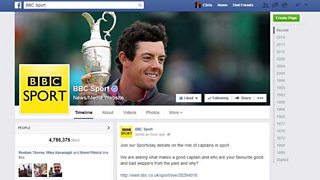
The BBC’s digital and social output at Hoylake was equally impressive. I spent time over the weekend with the BBC on-site social media team to see how it has become an integral part of big outside broadcast events - and not just sport. Throughout the four days of the golf, the BBC team maintained a live social media presence simultaneously on Twitter, Facebook, Google+ and Instagram (@BBCSport and BBC Sport). They ran votes, question-and-answer sessions with the likes of star commentator Ken Brown - #kenonthecourse - and constantly interacted with audiences, some taking advantage of the unprecedented digital connectivity on the course just yards from the BBC studios on site. In fact, #kenonthecourse was the top UK trend on Twitter for the first day of the Open championship and trended several times on other days.
Social media was fed seamlessly into live TV coverage, the BBC Sport live text page and other online stories. Clever infographics were created on site and woven into tweets and posts, and a host of other online golf sites were linked to or retweeted.
Social media is no longer an add-on. It is central to any big, modern outside broadcast - which the BBC does so well - and to bringing audiences into the heart of the action - which is increasingly where they want to be.
I was particularly struck by the skillset of the modern social media producer at a big sporting or national event. It is not easy to juggle four or five different platforms at once, all with their own tone and set of video copyright rules, for example. The live action has to be monitored and clear judgement exercised about what to post and when (did you have to tweet every shot that Rory McIlroy hit, for instance?).
Other social media sites have to be watched for anything to enhance your own coverage, and any comments from the audience - and other BBC ‘names’ - have to be replied to or incorporated. The right hashtags and links to other sites and pages which may enable your content to be seen in their timelines have to be included. Pictures have to be sourced from libraries, and the latest action shots from multiple sources added to posts. Constant touch has to be maintained with ‘base’ - in this case the BBC Sports newsroom in Salford and the team there who run the Open Golf live text page. Is there another job in broadcasting which requires the same mental dexterity?
Which caused me to ponder: are media training colleges - or anyone else - preparing young journalists to be able to take on these new digital roles that require fleet of mind to make fine editorial judgement calls as live action unfolds in multiple spaces, as well as intimate knowledge of the technical platforms - like TweetDeck - which allow you to keep updating so many sites at once?
But one thing that did strike me was that if you are cool and confident about what you are doing it is immensely satisfying, especially when an appreciative audience stays with you and gives you instant feedback online. As a major live sport event dramatically reaches its conclusion, it is pure adrenaline to have to keep on top of so many sites, platforms and comments at once, which you not only have to update but interact with and enhance.
Some digital jobs maybe a long way from traditional broadcasting production roles - and require new talents - but boy they can be fun. Especially when such a popular character wins.
BBC College of Journalism’s sport section