The new BBC News app: Love it or hate it, this time it’s personal

Sam Wilson
is lead online/digital trainer, BBC News
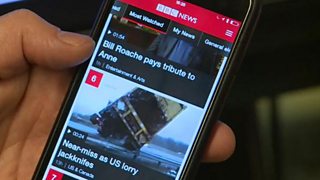
“Oh BBC, what have you done?” “Wow. What a change! Well done.” Two of the contrasting instant opinions offered on app stores after the launch of the new BBC News app last week.
The first was bemoaning the loss of the old app, which was apparently widely loved. Having used and tested the new app for a while now, I suspect this user, and many other critics, will come round pretty quickly.
Yes, the old app was admirably simple. But it couldn’t do much. It couldn’t link between pages or out to other sites. The video experience was poor. And there was a huge amount of website content that it could not show or reach - like local news. It could only paddle in the shallows.
The new app improves all these things. And it is the BBC’s biggest step yet in the personalisation of news - allowing users to focus on the type of news, topics, local stories and sports that are important to them. Because the possibilities of the new app are so much greater, we’ve put together a course (link for BBC staff only) to brief all BBC News Online staff on the implications.
The course also covers the imminent switch of the website to a ‘fully responsive’ format. Responsive means the page and its content adapts to the size of the screen. It’s the responsive version that’s been accessed by mobile phones for some time, but it will soon be pushed out to tablet and desktop users too.
It’s important that journalists understand how their stories will appear on responsive, and how they will need to manage story indexes.
Let’s play Tag
The force behind the new app is linked data, known more informally as tagging. Understanding tagging is now a key skill for our online journalists. And it will increasingly be something that many TV and radio journalists also have to comprehend. Many of them will be asked to tag video or audio clips, or tweets, or photographs, or short-form entries for BBC Live pages.
Tagging basically consists of adding a tag to a story or piece of media. A tag might be a name - David Cameron; an organisation - the NHS; a theme - counter-terrorism; or an event - the Oscars 2015. This is what allows app users to select topics they want to follow.
But if the button-pushing is easy, the considerations are tricky and often finely nuanced. Working out what a story is really about, finding the right tag, and being alive to the consequences of mis-tagging are all part of the skill. Mishaps can be embarrassing.
Fortunately online journalists have been tagging behind the scenes for well over a year now, free to make their mistakes in relative obscurity. Now the app is out there and our efforts will be scrutinised. It will open up all sorts of issues and questions, some of which we may not have seen coming.
With the possibilities come uncertainties. But also opportunities. The app will give us valuable insights into audience behaviour and interests, informing our journalism and driving improvements and new features on the app and website.
Our digital and mobile journalism section
BBC News app: Hands-on with the ‘personalised’ revamp
What is responsive design - and what does it mean for journalists?
How BBC News covered the Indian elections on WhatsApp and WeChat
WhatsApp, WeChat or Snapchat? A dummies’ guide to the new messaging apps
Investigative apps are useful tools for journalists, if rough around the edges
