Access all archives: news media management is a select occupation

Nicola Nejad
is a news media manager in BBC Information & Archives
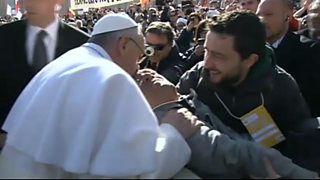
Behind the scenes is a team making this happen - a new breed of news archivists: the news media managers. I’m one of them.
I work in newsrooms alongside journalists, managing the media used to produce BBC News. I’m responsible for the intake and delivery of archive for BBC News teams, as well as contributing to decisions about future News Archive policy. Building an archive used to be an afterthought to programme-making; now the two processes work closely alongside one another.
So how did I get here? Via an English degree and time after university gaining work experience in media libraries. I also studied part-time to gain a diploma in media practice, with some journalism training. After snagging a freelancer role as a picture researcher at GMTV, I landed my current post at the BBC’s Information & Archives department.
I work with documents, audio and web archiving, but predominantly with footage. Firstly, we monitor on-the-day footage as it is fed into our digital system, keeping all the best pictures for their long-term re-use value. We then catalogue these digital files to make them searchable and easily available to journalists. And we research archive footage, working against the clock to secure high quality content for news stories.
For us, the ‘best pictures’ are the clips that best communicate a story - they’ll be well shot, dramatic and varied. Ideally they’ll be the most informative, the most revealing pictures we can get our hands on. If they’re genuinely exclusive all the better.
Close monitoring of new material is essential to build a useful VT archive. We view everything that is being filmed by the BBC from our desktops. The footage is fed directly from camera vans, servers and agencies straight into our online digital system - a window to footage being shot all over the world.
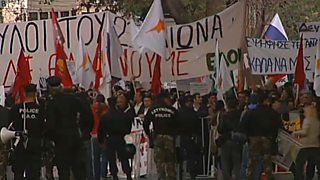
Even on a high-end digital system there is limited storage, so any incoming footage will automatically be deleted after a fixed amount of time. It’s my job to catch the best pictures before they slip through the net and are lost forever. We select this footage and save it onto an online server, where it will be available for use indefinitely.
So there is pressure both in terms of time and making the right selections. Good communication with journalists is essential. We need to be aware of all current stories, and how they may develop, to help us make the right calls about what’s worth keeping for future output.
Much of what defines an archive is, of course, good selection, but also keeping a collection streamlined. When you need footage for a story, wading through a large messy collection takes time - time which we and journalists simply do not have on a news day.
So media managers step in early when footage is coming in. We keep the most recent footage that we see - for up-to-date accuracy in the pictures we supply. We select the best quality material we can find, and keep duplication down to a minimum.
Any generic or stock shots are particularly valuable, as anything that can be relevant outside of a story’s original context can be used time and time again. Varied shots of Paris in the summertime would be useful; or shots of Richard Branson walking down a street, say; or doctors and nurses working on a hospital ward. They’re all shots which could prove useful for future news stories.
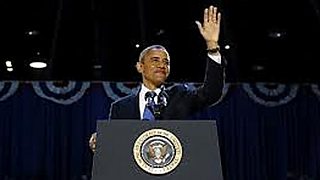
Finally we catalogue the footage we decide to keep, to ensure it appears quickly for BBC journalists in a simple freetext search. Footage that used to be kept within teams is opened up to the rest of BBC News and the wider BBC. Clips sent to us from Washington can be used almost immediately by our office in Nairobi.
The other aspect of the role involves researching the BBC’s wider archive, searching older databases to track down material stored elsewhere on tape and film. For example, as we approached 10 years since the end of the Iraq war, we were asked for old coverage to illustrate news stories marking the anniversary.
Over time we’re incorporating old archive into the digital system, enhancing our online archive, opening up a library that in the past was inaccessible.
Managing media in a digital world
Course: Managing media in a digital world (internal link for BBC staff only)
