Specialist journalism is the future - if you can see the wood for the trees

Sean Coughlan
is BBC News education correspondent @seanjcoughlan
In the second of our posts on what it takes to be a specialist journalist, Sean Coughlan’s advice is to dodge the lobbyists and get out of the office, if you can.
Specialist journalism is like that snazzy tie lurking in the back of the wardrobe: it’s been in and out of fashion a few times.
When it’s out of fashion, specialist journalism is accused of being an unaffordable luxury or else something with too much detail and jargon, worthy but dull for a mainstream audience.
Then when it’s back in fashion, specialist journalism is hailed as the beating heart of news, the well-informed cutting edge of analysis, providing the kind of insight and intelligence demanded by readers and viewers.
But the pendulum has stopped swinging. Specialist journalism looks like it’s going to be permanently in fashion. Arguably it’s the journalism with the greatest chance of a future. To put it bluntly, specialist knowledge is one of the remaining distinguishing features between ‘journalism’ and someone pointing their mobile phone at the world and sticking up their thoughts on Twitter.
So what does that mean for how specialist journalists work?
I’m an education correspondent, writing for the BBC News website. Along with all the other specialist areas, education is not exactly short of information. The Department for Education, opposition parties, Ofsted, Ofqual, teachers and head teachers’ unions, universities, schools, parents, local authorities, not to mention all the technology companies and campaigning charities… they are all pumping out press releases and urgent warnings with relentless regularity.
My email inbox fills with hundreds and hundreds of emails every day. But whisper it softly: everyone else can see this information too. It’s all out there on the internet. And anything that looks interesting will be shared on Twitter and blogged within minutes. Specialist journalists don’t have any special privileges.
The challenge for the specialist is to make sense of it. We have to pick out the big fish from the shoal of plankton. We have to interpret the significance. Raw information is abundant - explaining it is the expertise.
But there are tensions. To understand the tidal wave of information you really have to know the people who are producing it; the key figures, the influencers driving the news. You have to find your own stories. However, journalists are less likely than ever before to get out of the office. It’s partly because so much of journalism has become a desktop activity, from the email to the page or the broadcast. That’s where the news is received and sent each day.
When specialist journalists should more than ever be going out and digging around for stories, they are more likely than ever to be stuck in the office, with less time than ever before to go out.
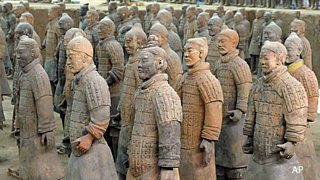
And it’s also a reflection of the current shape of journalism of all kinds: there are fewer and fewer journalists who actually write or broadcast - while there are whole Terracotta Armies of PRs and communications people pushing their messages. Never has so much been told by so many to so few. A colleague on a national paper recently explained that the first thing that hacks do now when they arrive in the office is take all the phones off the hook.
So what does it mean?
It makes exclusives more relevant - seeing the things that other people have missed - as well as making sure that you’re alive to the stories that don’t get press-released, often in areas where there are no lobbyists or professional campaigners. It means being close to the sources of news, getting the interviews, showing the perspectives that people might not have expected.
It’s also about drawing together the threads, seeing the connections. Analysis, a growing part of the BBC News website, is part of this evolution from raw information to building a coherent picture.
And part of this challenge is managing to be relevant to a mainstream, non-specialist audience while at the same time delivering enough genuine detail and intellectual roughage to those who are already well informed.
There’s an awful lot of competition for the audience’s attention. Better get that snazzy tie out again.
Sean Coughlan won the 2014 award for outstanding contribution to education journalism - the top prize in the annual Education Journalism Awards.
Specialist journalism can be a tough old business
Analysis on what’s making the news in education from Sean Coughlan
