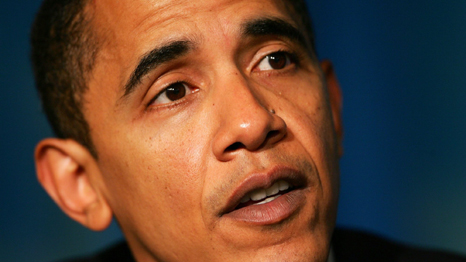
The US President Barack Obama is half way through his term of office and faces his toughest test yet in the US mid-term elections.
The midterms could cause a significant shift in power as President Obama has suffered a dramatic drop in popularity at home. Some opinion polls have given him an approval rating of less than 40%.
It's likely there'll be many more votes for his opponents, the Republicans, and if more of their representatives get seats in Congress, it will be harder for President Obama to get things done.
Just two years ago President Obama enjoyed unprecedented global popularity, especially in Africa, given his Kenyan ancestry.
So as America takes its own political temperature, is Africa still in love with Barack Obama? How do you think he is faring as America's first black President? Do you care whether his approval rates are up or down, and why?
If you would like to debate this topic LIVE on air on Tuesday 12 December at 1600 GMT, please include a telephone number. It will not be published.
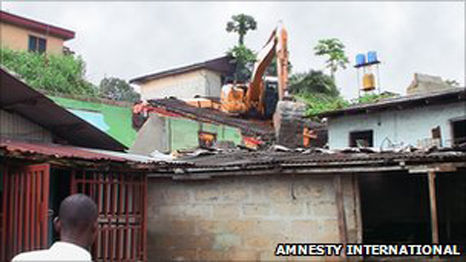
Plans to develop the waterfront areas of Port Harcourt in Nigeria are threatening to make 200,000 people homeless according to a new report by Amnesty International.
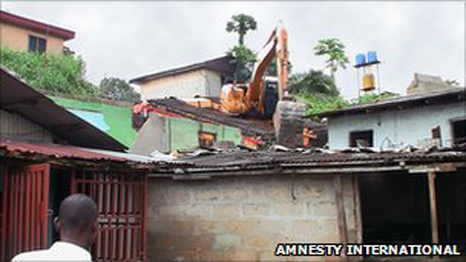
The plans, which include the demolition of slums on the waterfront, are part of the government's "Greater Port Harcourt master plan".
The local government hopes to develop the area to create jobs, stimulate the local economy and build better roads - all of it urgently needed.
Forced evictions regularly spark demonstrations there and police have even fired live rounds at protesters. Several civilians have been killed.
Forced evictions are common across the continent, with governments often citing urban development as the reason for them. But can they ever be justified?
To take part in our LIVE debate on air at 1600GMT message us your number. It will not be published.
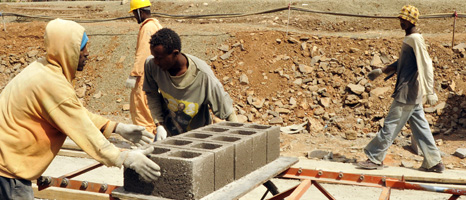
While the property market in some parts of the world is slowly showing signs of recovery from the global financial crisis, Africa's is said to be thriving.
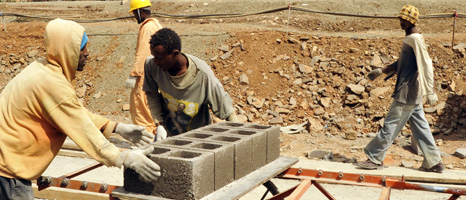
Egypt, South Africa, Kenya and Sudan are just a few of the countries on the continent where real estate is booming.
Many local and foreign companies from the United Arab Emirates, Qatar and Malaysia are investing in Sudan's real estate, attracted by a boom fuelled by rising oil production. Small buildings are disappearing and new high-rises are being built in their place.
Investment analysts say there is renewed interest in the South African market following its successful hosting of the football World Cup.
But how is this demand for property affecting ordinary people?
How is the property market faring in your country? How easy is it to get on the property ladder ? Has the rise in property prices affected you? If so, how? Is Africa's property boom sustainable?
If you would like to debate this topic LIVE on air on Wednesday 27 October at 1600 GMT, please include a telephone number. It will not be published.
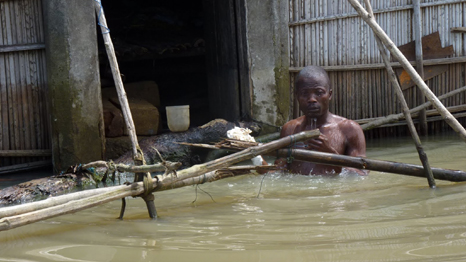
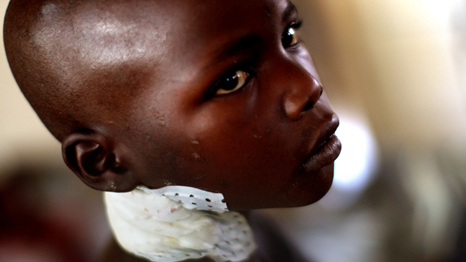
The UN refugee agency has begun an emergency operation to airlift tents to the largest city Cotonou, as the country battles its worst floods for decades.
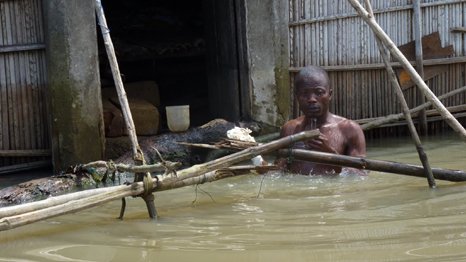
Weeks of rain have severely affected more than half the country and there are increasing concerns about the rising number of cholera cases being reported.
UN figures say at least 680,000 people have been affected by the floods and is concerned that the crisis has not received enough international attention.
Have the floods affected you or your family? Is enough being done for Benin? Could the crisis have been averted? What impact is it having on Benin's neighbours, Nigeria, Togo or Ghana? What should be done now?
Do you live in a country that has been affected by floods? How were they dealt with?
If you would like to debate this topic LIVE on air on Tuesday 26 October at 1600 GMT, please include a telephone number. It will not be published.
Photo: Loetitia Raymond/CARE
As several African countries prepare to hold key elections, a recent report says that funding of political parties is far from transparent.
Should parties be funded by public or private money? How open should they be on how much they spend? Should all parties be expected to spend the same amount?
If politicians are standing as independent candidates how should they fund themselves? And is legislation on political funding tough enough to prevent illegal spending?
If you would like to debate this topic LIVE on air on Thursday 21st October at 1600 GMT, please include a telephone number. It will not be published.
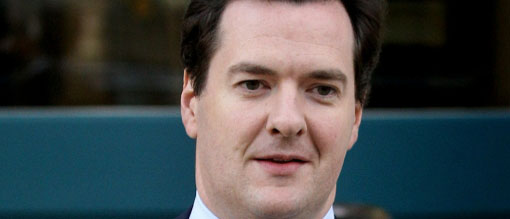
After months of speculation Britain's finance minister George Osborne has announced the biggest cuts to public spending for more than a generation.

Most government departments are being required to make savings of at least 25%, with only health spending and international aid spared from any new cuts.
But although Britain's overseas aid budget has been ring fenced, the International Development Secretary, Andrew Mitchell, has said that the UN, the World Bank and other international bodies that receive money from the UK must deliver results or face cuts.
The government says the cuts are necessary to reduce the country's huge financial deficit but there are fears that the policy could result in the loss of nearly 500,000 public sector jobs.
Will the UK cuts affect you or someone you know? Do they change your view of Britain in the world ? If so, how? Is Britain right to prioritise overseas aid?
If you would like to debate this topic LIVE on air on Wednesday 20 October at 1600 GMT, please include a telephone number. It will not be published.
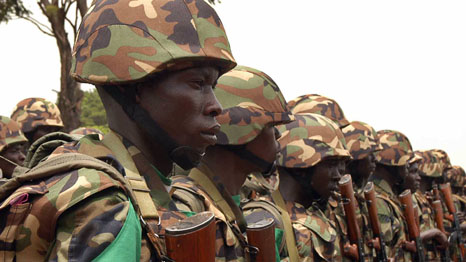
The Central African Republic, the Democratic Republic of Congo, Sudan and Uganda have agreed to form a joint military force to fight the Lord's Resistance Army.
The four countries, all affected by LRA attacks, decided to establish the joint brigade - which would be backed by the African Union - to go after the rebels.
A joint operations centre and border patrols which would facilitate the exchange of information and intelligence will be set up, and coordinated by a special AU representative.
The plan also relies on Nigeria and South Africa - the only two African nations that have the logistical capacity to bring the plan to fruition.
Could this joint force defeat the LRA? Is this announcement the first step towards the long-awaited creation of a mobile brigade that the AU can call on in times of trouble? If so, will it work?
Is it worth setting up a permanent joint force? And could this then provide the blueprint to deal with other groups in Africa - for example for Al-Qaeda in the Islamic Maghreb?
If you would like to debate this topic LIVE on air on Tuesday 19th October at 1600 GMT, please include a telephone number. It will not be published.
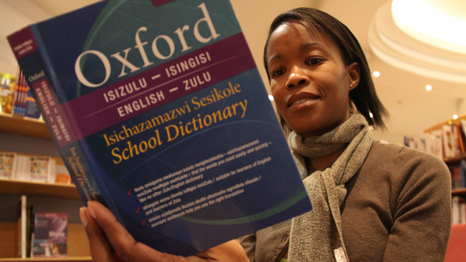
Rwanda is looking for 1,000 English teachers to boost their efforts to change the language of instruction in schools from French to English.
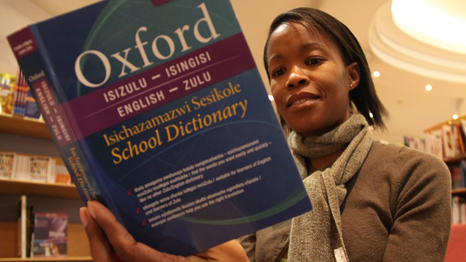
Rwanda's Education Minister Dr. Charles Murigande says that it is "a logical choice" given that English is a common language of trade.
But with Africa's growing business links with the likes of China and 25 Confucius Institutes teaching Chinese language and culture across the continent, would that be a better choice?
Perhaps you would prefer to learn Kiswahili or Arabic? If so why? What language do you think it is important to learn?
Join the debate LIVE on air on Thursday 14th October at 1600 GMT, please include a telephone number. It will not be published.
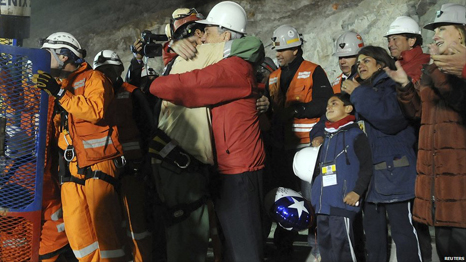
As the world watches the rescue operation of the miners in Chile who have been trapped underground for the past two months, we are asking what Africa can learn from Chile's experience?
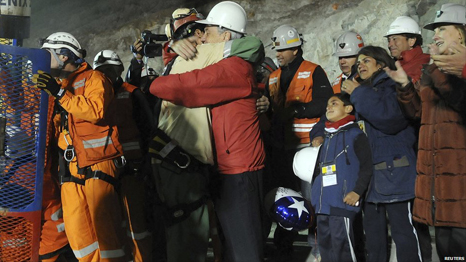
Is this a wake-up call for Africa's mining industry? Does it take safety seriously enough? If you would like to share your stories, comments and concerns LIVE on air on Wednesday 13th october at 1600 GMT, please include a telephone number. It will not be published.
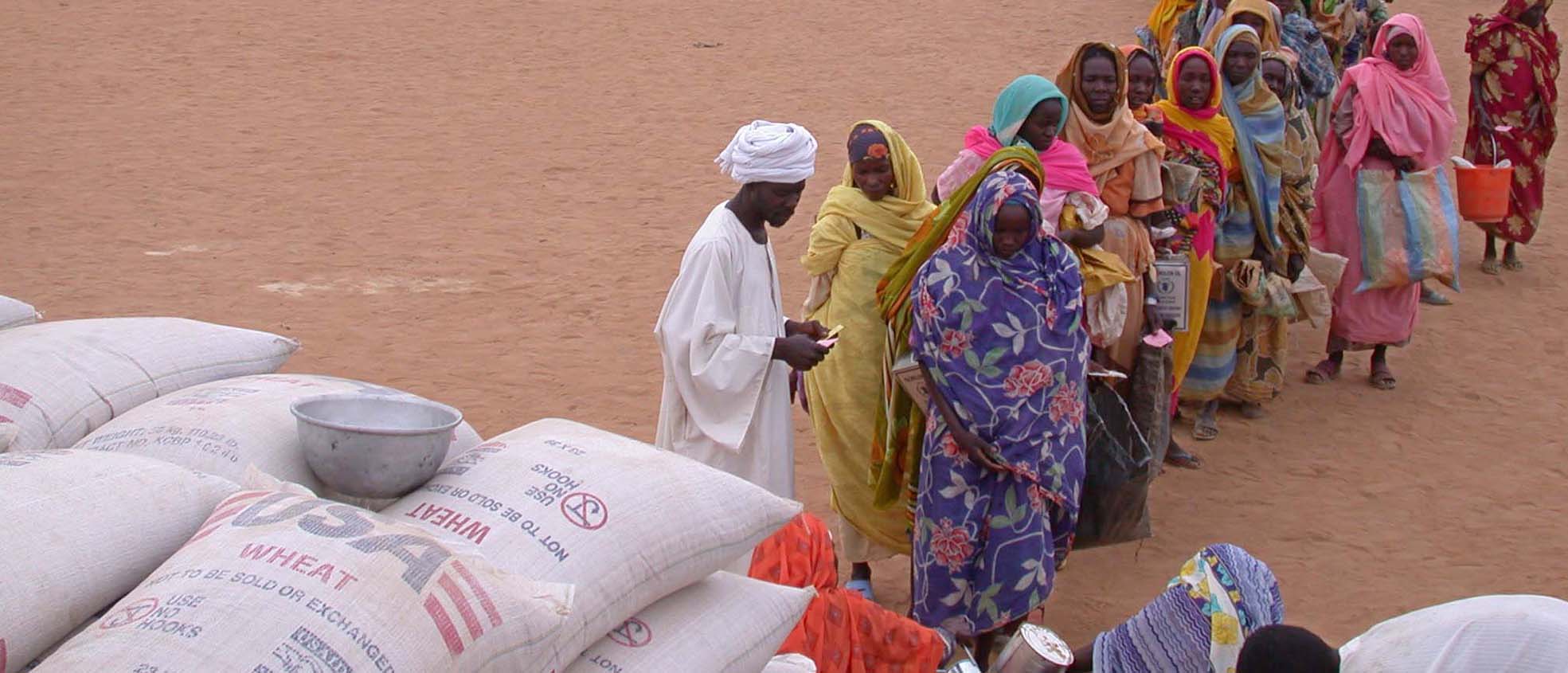
The 2010 Global Hunger Index (GHI) shows that eight out of the nine countries where hunger is increasing are from Sub-Saharan Africa.
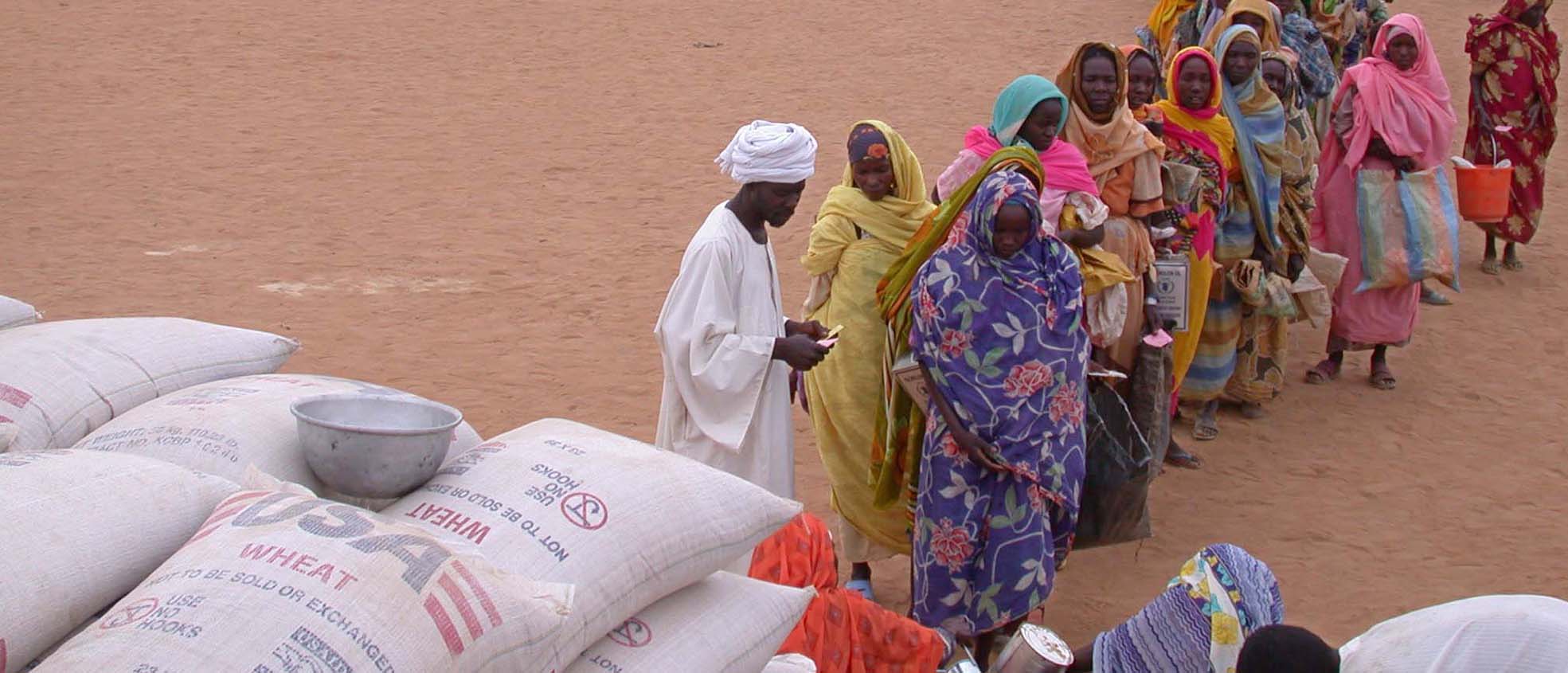
Produced by the International Food Policy Research Institute (IFPRI), Welthungerhilfe and Concern Worldwide, the annual index is calculated for 122 developing and transition countries.
This year's study shows that twenty-nine of them, mostly in sub-Saharan Africa and South Asia, have levels of hunger described as "extremely alarming" or "alarming".
The study shows that the Democratic Republic of Congo had the biggest increase in hunger levels which rose there by 65%, while Ethiopia, Ghana and Mozambique have all shown an improvement over the last ten years.
Some countries achieved significant absolute progress in improving their GHI. Between the 1990 GHI and the 2010 GHI, Angola, Ethiopia, Ghana, Mozambique, Nicaragua, and Vietnam saw the largest improvements.
So on BBC Africa HYS we're asking why is Africa still hungry?
If you would like to take part in the discussion LIVE on air on Tuesday 12 October at 1600 GMT, please include a telephone number. It will not be published.
BBC Africa Have Your Say is having one of its regular medical check-ups and this time, we're looking at neurological disorders.
These occur when there is a disorder of the body's nervous system which can then lead to paralysis, muscle weakness, poor co-ordination and seizures among other symptoms.
Migraines, back and neck pain, epilepsy,dyslexia and cerebral palsy all count as neurological disorders.
But how much do you know about what causes these conditions and their treatment? Do you know what to do if you suspect yourself, or someone you know, to be suffering from a neurological disorder?
If you would like to put your questions and concerns to our neurologist LIVE on air on Thursday 7 October at 1600 GMT, please include a telephone number. It will not be published.
Many African countries are taking part in the 2010 Commonwealth Games in India, but are they creating any excitement where you are?
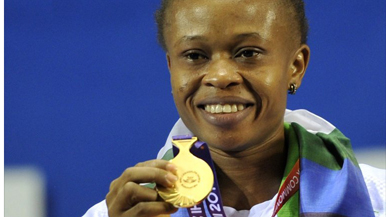
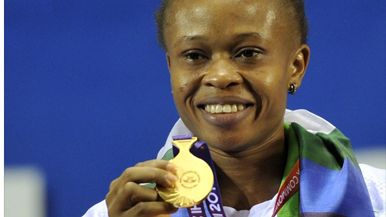
The continent has got off to a bright start - with Nigerian teenager Augustina Nkem Nwaokolo winning the first gold in Delhi.
But do you take the Commonwealth Games seriously or do you see the competition as a poor relation to the Olympics or the All Africa Games? Are you following it on TV, radio or online? And does it matter whether your nation's sports stars win?
If you would like to debate this topic LIVE on air on Wednesday 6 October at 1600 GMT, please include a telephone number. It will not be published.
Now that the UN has published its controversial report into the killings of Hutu civilians in the DR Congo during the 1990s, what can be done to pursue justice for those who were killed, tortured or raped?
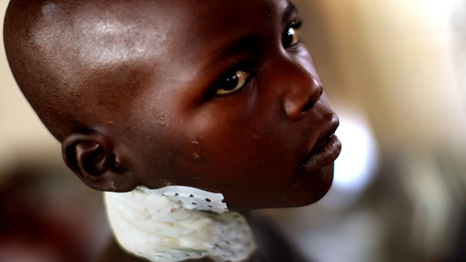
The report says some of the attacks could - if proven in court - "be characterised as crimes of genocide" and recommends that the international community seeks to prosecute those responsible.
The findings have already been rejected by Rwanda, Uganda and Burundi, whose forces are among those accused of participating in the violence.
The DRC's UN representative, Ileka Atoki, says the victims "deserve justice" - but what would this justice involve? And how could this help those civilians who are still being raped and killed in the same region?
If you would like to debate this topic LIVE on air on Tuesday 5 October at 1600 GMT, please include a telephone number. It will not be published.