About the BBC - BlogAbout the BBC - Blog
Local Navigation

Archives for September 2010

Portrayal of lesbian, gay and bisexual people in broadcasting

Blog comments are currently unavailable. Find out more.

Post categories:

Tim DavieTim Davie|16:13 UK time, Thursday, 30 September 2010

A still from BBC 3's Lip Service
Just over a year ago, I volunteered to chair the Lesbian, Gay & Bisexual Working Group at the BBC and shortly thereafter, we announced that the BBC had commissioned a study into the portrayal of LGB audiences across all of our services.

As the most comprehensive piece of research ever carried out in this area by the BBC and perhaps any other media organisation, it was not without trepidation that I took on this project. The portrayal of LGB audiences can be a polarising issue for many but I have a strong belief in the importance of fully understanding all of our audiences and in turn reflecting and celebrating that diversity in all the content that we make and broadcast. That is the reason why we commissioned this study and why in the past two years we have also commissioned studies and research on disability and how our audiences outside of London feel that are represented across BBC television, radio and online.


The BBC worked with research companies 2CV and Kanter Media to develop this study and we interviewed or surveyed 2,000 people from across the UK. To ensure that all voices and views were heard, we talked and listened not only to lesbian, gay and bisexual people – those who are already out, those who have just come out and those who were still dealing with the challenges and fears about their own sexual identity – but also heterosexual people. And again we subdivided – heterosexual people who were comfortable with portrayal; heterosexual people with children of various ages and people who were uncomfortable with any portrayal at all.

All of the participants of this nationally representative sample were given the same stimulus – both video and audio clips of content from a range of broadcasters – and were asked the same questions covering a broad range of topics. These included the level of portrayal, authenticity, humour and language, intimacy, talent and genre. We complemented this substantial study with a public consultation online, which took place online and yielded 9,400 responses. We published the full results of both the research and consultation online.

We’ve published the full results of the study on the ‘About the BBC’ site, so I won’t detail each and every finding here, but to paint a broad picture let me begin by saying that many of the people who participated were surprised with the level and quality of existing portrayal across both the BBC’s services and that of other broadcasters. The BBC fares relatively well with its portrayal of LGB people, but there is certainly more to be done. We also found that the clear majority of the UK population are either comfortable with, or do not feel strongly either way about, the portrayal of lesbian, gay and bisexual (LGB) people.

Naturally, we found that lesbian, gay and bisexual audiences want to see more, and greater diversity within portrayal. We also learned that context is critical to how all audiences perceive the portrayal of LGB people and that intimacy, both emotional and physical, is the primary concern for people who are uncomfortable with LGB portrayal.

This project was not about creating a shopping list, or ticking boxes with our content but there are clear commitments we are taking from this study. First and foremost the BBC has a commitment to achieve accurate and authentic portrayal across all our services. To that end we have already begun to share this research with content teams across the BBC. They need to be aware of the opportunities for both incidental portrayal that reflects LGB audiences in everyday life and more overt, landmark content and have the confidence to reflect the diverse audiences around them. What this research will do is provide the confidence, knowledge and foundation to ensure that creatively - and if it is appropriate in terms of the context and the genre – that LGB inclusion is considered and if it is included that it is authentic. We also commit to review progress following this research and consultation in two years. And finally, the BBC Working Group, of which I am Chair, will monitor on an ongoing basis the implementation of these recommendations on behalf of the BBC Diversity Board.


I want to thank each and every one of the participants across the UK for their time and candour and I look forward to updating you further on our progress in the portrayal of LGB audiences on the BBC.

Tim Davie is the BBC's Director of Audio and Music

This year, as part of the BBC's diversity strategy, we carried out research and consultation on the portrayal of lesbian, gay and bisexual people across broadcast media including the BBC. Read about the research.

See the BBC Archive's latest collection on the Gay Rights movement.

Read Tim Davie's previous blog post about portraying the LGB community on the BBC.

Radio blog - the view from abroad

Post categories:

Laura MurrayLaura Murray|17:11 UK time, Wednesday, 29 September 2010

"In 2001, I moved to Connecticut for 2 years and while I appreciated so much of American life, almost every evening I would go to the computer after putting the children to bed and listen to programmes such as Today or In Our Time on Listen Again (as it was once called). On returning to the UK, I can recall that my first decision in this job was to confirm that I wanted our domestic networks to continue to be available for free online across the world. It did not cost significant money and there was no clear way to commercialise the services, so it was an easy decision to make.


On this theme, an article published in the LA Times this week not only drew attention to the strength of radio but gave a perspective on how Radio 4 is perceived beyond our shores."


Tim Davie, Director of Audio & Music at the BBC reflects on the appeal of Radio 4 abroad. To read his post in full and to make a comment, head over to the Radio blog.

Laura Murray is Editor of the About the BBC blog

Keep Dancing

Blog comments are currently unavailable. Find out more.

Post categories:

Robert SeatterRobert Seatter|12:01 UK time, Tuesday, 28 September 2010

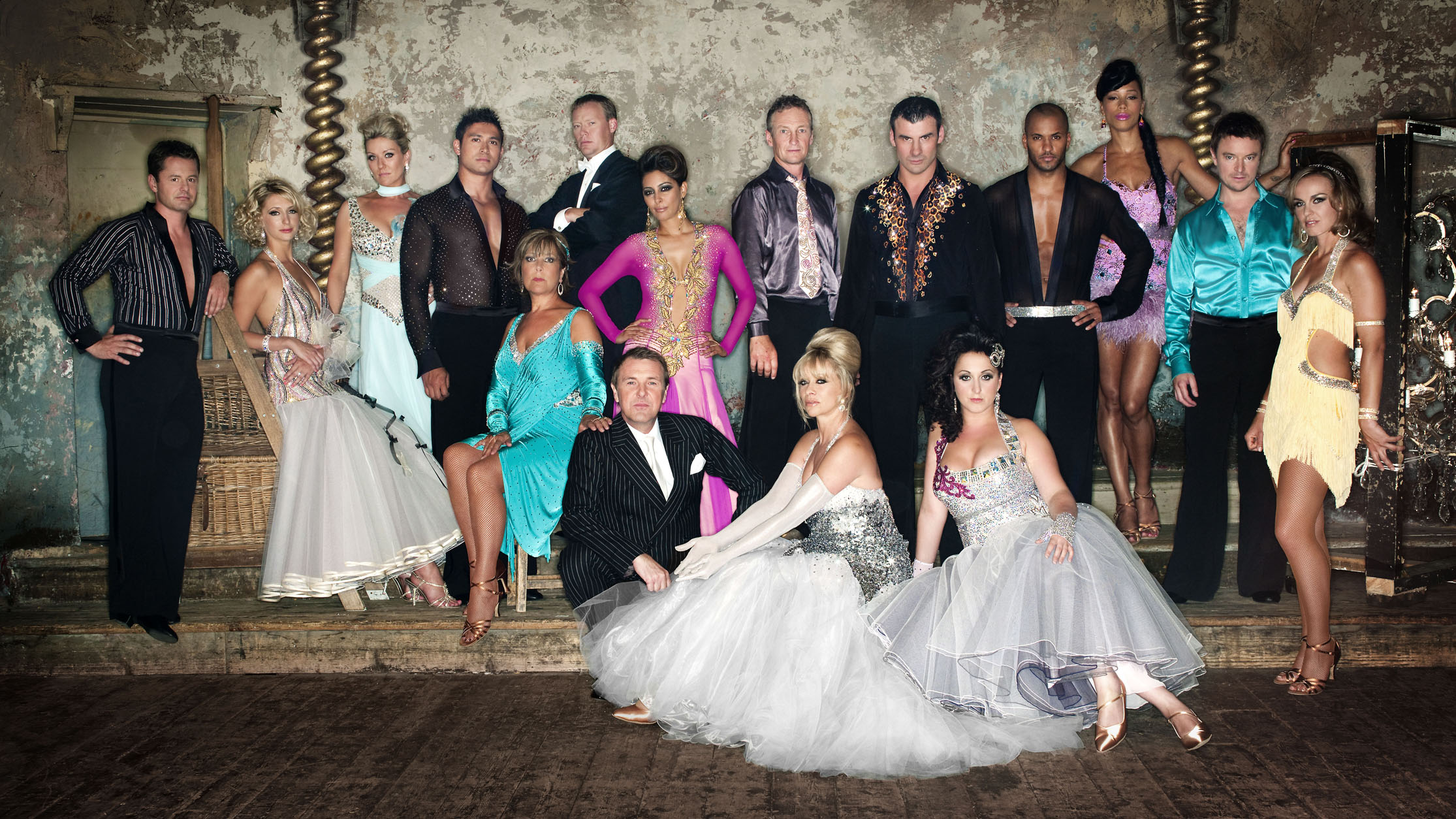
The 2009 Strictly Come Dancing contestents pose for a generic group photo.

Well, we know that autumn’s really here when another band of courageous celebs don their glittering costumes and take on the challenge that is Strictly Come Dancing! It’s now well and truly part of the seasonal calendar, and has successfully reinvented Saturday night on the BBC.

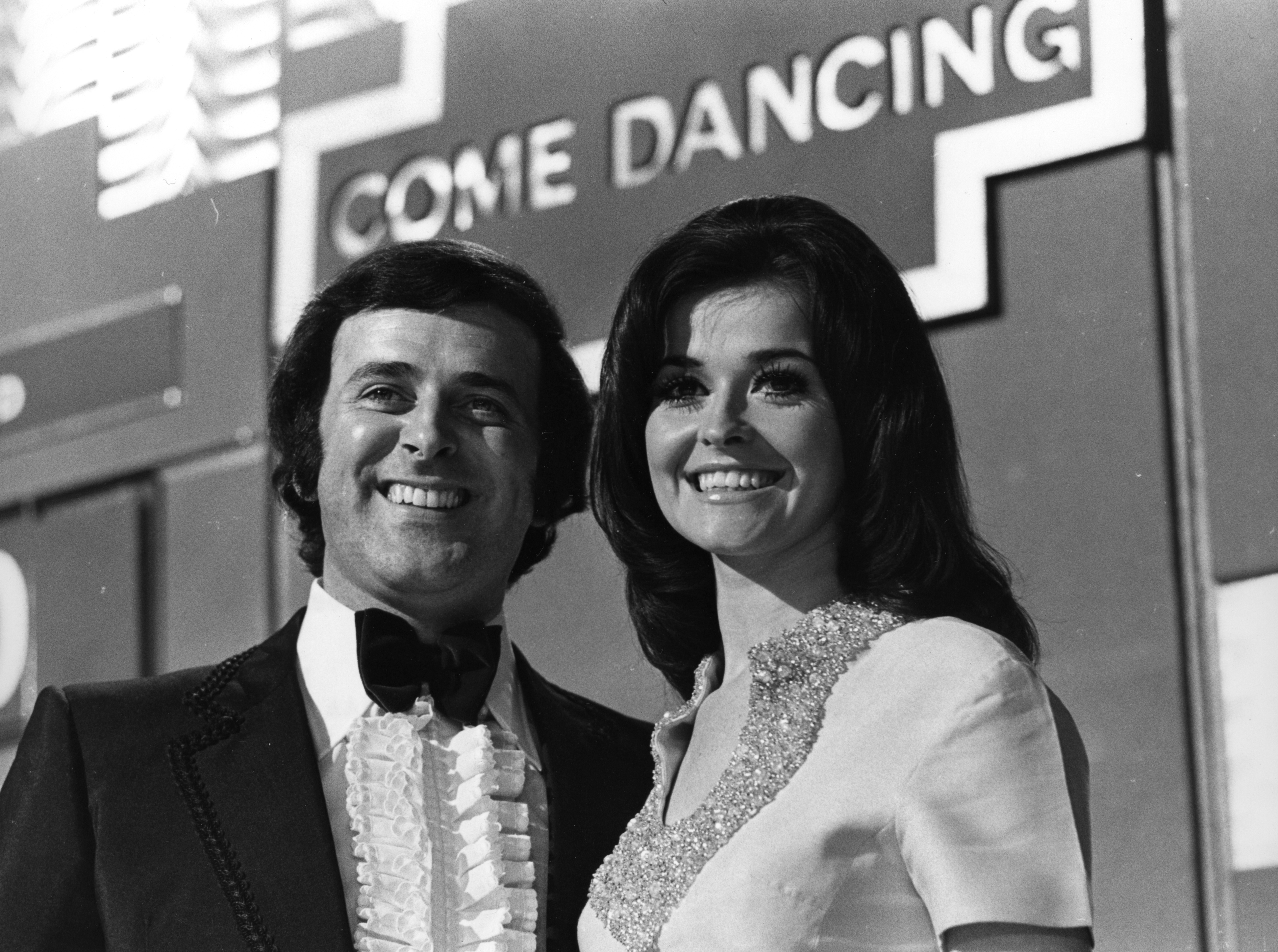
Strange, but perhaps not so strange, to reflect that 60 years ago on 29 September 1950, Strictly’s predecessor, Come Dancing hit the air. It ran off and on from 1949 (regional launch) to 1998, making it one of TV’s longest running shows, and its removal was greeted with howls of horror from British ballroom dance fans.

It boasted an array of really famous presenters too. From Peter Dimmock (the future mastermind of the televisation of the 1953 coronation) and Leslie Mitchell (the British Clarke Gable-lookalike presenter of early BBC TV) to Angela Rippon, Judith Chalmers and Terry Wogan (and you can’t get much more famous than Sir Terry!). Its over-the-top glamour – even in black and white – fascinated a grey and gloomy Britain still in the grip of post war blues.

Sir Terry Wogan and Jenny McAdam

But strange, because in Britain the public perception is still one of surprise that anyone – but in particular a man - can dance. And yet, according to the Arts Council, dance is now the top UK leisure pursuit.

It has also been at the heart of our BBC TV schedules from the earliest times. In 1937, the BBC had Charles B Cochrane’s ‘Young Ladies’ in full-on variety mode, glamorous ballroom dancers, plus a young Margot Fonteyn in her tutu. Later, dance was the staple of every entertainment show – even Morecombe & Wise put on the top hat and tails, and Angela Rippon slid (almost) effortlessly from serious newscaster to dance presenter via her high kicks with Eric and Ernie!

So, in spite of ourselves, we really have been, and are, a nation of dance lovers. We aspire to its elegance – remember Audrey Hepburn singing in My Fair Lady ‘I could have danced all night’. Cue the whirling of countless sequinned dresses and straight-backed men in tails on Come Dancing.

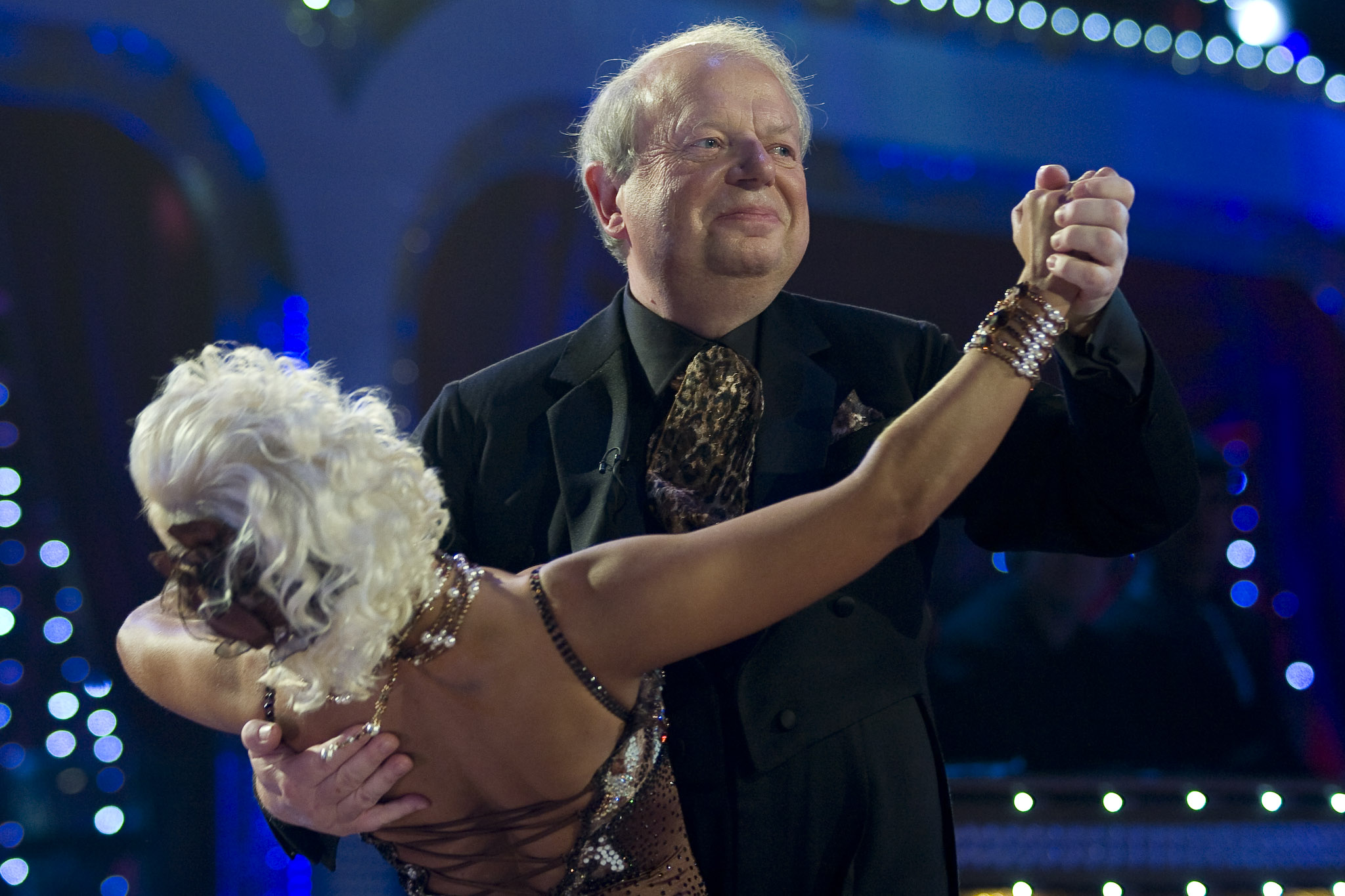
But not too much… John Sergeant could never dance but we loved his indefatigable insistence on Strictly Come Dancing that he would try and try. We want sublime dance skill, but we also want a little deflating of its self-conscious pursuit of poise and perfection. What Strictly has cleverly pulled off is a bridge between these two TV dance extremes.

John Sergeant in Strictly Come Dancing

So to paraphrase Bruce and Tess: Keep dancing, BBC.

Robert Seatter is Head of BBC History

The Strictly Come Dancing Costumes are on display at BBC Television Centre until 11 October

Read a blog post from Dave Arch, the musical director and conductor of the live band for Strictly Come Dancing, on the TV blog.


Radio 4 blog - My first week at Radio 4

Laura MurrayLaura Murray|16:00 UK time, Monday, 27 September 2010

"I have been in and out of Broadcasting House studios and I can honestly say that committed, creative and talented programme-makers are everywhere. And we all want for audiences what we have always wanted: more - to quote Matthew Arnold - of "the best that has been thought and said in the world" - and sometimes, let me add, a laugh..."

Gwyneth Williams, the Controller of BBC Radio 4 and Radio 7 reflects on her first week in her new job. To read her post in full and to comment, head over to the Radio 4 blog.

Laura Murray is Editor of the About the BBC blog

Inspiring a Life Full of Learning for All Our Audiences

Blog comments are currently unavailable. Find out more.

Post categories:

Saul NasséSaul Nassé|12:00 UK time, Monday, 27 September 2010

I’m sitting here writing this blog because - as a child of seven - I was inspired by Tomorrow’s World.Presenters like Raymond Baxter told stories and did experiments that made me want to study science at school and take a degree in metallurgy.I broke off my PhD to join the BBC Science Department and in 1997 I came full circle when I took over as editor of Tomorrow’s World.

So the BBC set me on a journey of discovery that has shaped my whole life.And there are tens of thousands of people all over this country who have similar stories - of how particular programmes sparked their curiosity, inspired a lifelong passion, gave them basic skills or kindled an ambition.And today, when we launch the new strategy for learning at the BBC, it’s those stories that have inspired our vision.

We want everyone in the UK to have a story about how the BBC enriched their lives.Which is why our new educational vision for the BBC is simple:we want to inspire a life full of learning for all our audiences.

That’s because learning transforms lives, opens windows onto unfamiliar people, places and cultures, increases knowledge, expands the imagination, and nourishes communities. It changes people and makes the world a better place.

The BBC has been committed to learning ever since the first schools broadcast in 1924.And the desire to inspire and help and increase understanding drives much of our output.We already do a huge amount, but I believe we can do much more.

At the heart of our new strategy is the desire to unlock the learning potential that exists across the vast range of BBC output and activities – whether it’s on television, radio or online; whether it’s national, regional or local; using all of our specialist expertise, from News to Music, from Natural History to Sport, from Drama to Arts.

That’s why today we’ve announced a range of projects that make the most of the BBC.Wallace and Gromit inspiring people to create amazing inventions.EastEnders heading into the classroom with E20 to get teenagers talking about bullying.Michael Wood getting the UK to uncover its own history.And the Bang Goes The Theory gang presenting their own special ‘do try this at home’ science demonstrations – that’s what I would truly have loved as a seven year old.

Saul Nassé is Controller of Learning at the BBC

Read more about the new strategy for learning at the BBC on the Press Office website

Roger Mosey - Your thoughts on our 2012 coverage

Post categories:

Laura MurrayLaura Murray|15:41 UK time, Friday, 24 September 2010

"There's a common response when we talk about audience research: "nobody asked me!" But I thought it would be useful to give some headlines about what we're doing to try to find out what people want in 2012, and also give everyone on this blog a chance to comment on some of the early findings".

Roger Mosey, the BBC's Director of London 2012 has posted a blog about the qualitative research his team have undertaken ahead of the Olympics. To read the blog in full and to comment, head over to Roger Mosey's blog.

Laura Murray is Editor of the About the BBC blog

Tim Davie on Chris Moyles, Salford and the 2010 Radio Festival

Blog comments are currently unavailable. Find out more.

Post categories:

Laura MurrayLaura Murray|12:50 UK time, Friday, 24 September 2010

This morning on the Guardian's Media Talk podcast, BBC Director of Audio & Music Tim Davie talks to Matt Wells about the upcoming 2010 Radio Festival in Salford, which Tim is chairing, and Chris Moyles' outburst during the opening half hour of his Breakfast show this week.


Tim also talks about his thoughts around BBC staff moving to Salford and his plans for 6 Music.


Listen to Tim's interview on the Media Talk podcast.

Laura Murray is Editor of the About the BBC blog

Radio blog - a new BBC blog

Post categories:

Laura MurrayLaura Murray|12:14 UK time, Wednesday, 22 September 2010

The new BBC radio blog launched last night. It will feature links to blog posts from senior managers at BBC Audio & Music and discussions about BBC radio across bbc.co.uk. The first post is from the editor, Steve Bowbrick who wants to know what you’d like to see on the Radio blog.

Look out for a ‘live music and BBC radio’ post from Director of BBC Audio & Music, Tim Davie which was posted today.

To get involved, head over to the Radio blog.

Laura Murray is Editor of About the BBC Blog

Impartiality is in our genes

Post categories:

Bridget MiddletonBridget Middleton|15:10 UK time, Monday, 20 September 2010

‘I always think that impartiality is in our DNA - it's part of the BBC's genetic make-up.

Anyone who thinks differently doesn't really understand how the organisation works and how seriously we take issues around balance and impartiality.’

Over at The Editors, Helen Boaden, director of BBC News, defends the impartiality of our journalists after an article in the Daily Mail claims the BBC is biased against the Government spending plans.

Celebrating singing in Liverpool

Blog comments are currently unavailable. Find out more.

Post categories:

Alec McGivanAlec McGivan|16:48 UK time, Friday, 17 September 2010

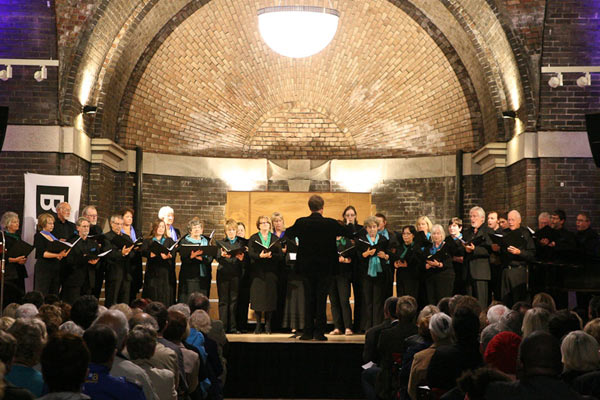
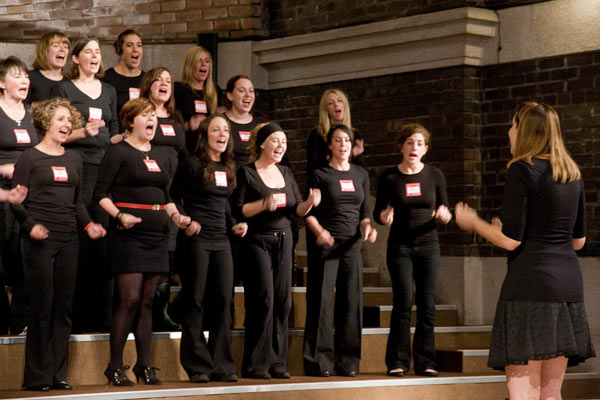
Liverpool Metropolitan Cathedral Concerts Society Cantata Choir performing in Liverpool's Metropolitan Cathedral Crypt

It was great to be in Liverpool on Wednesday for an event in the fantastic setting of the Metropolitan Cathedral Crypt. The evening was presented by BBC Merseyside's Roger Phillips and he did a brilliant job of introducing performances by three very different local choirs. The musical talent really shone through and we had a good turn out, with a mix of creative and community leaders attending, as well as music fans and members of the public who had taken up BBC Merseyside's offer of free tickets for listeners.


The event was about showcasing the choral singing talent in Liverpool and celebrating the local winners of BBC Performing Arts Fund grants. All three choirs that performed have received grants from the Fund. It's one of the BBC's corporate charities and sits in my department, BBC Outreach.


Mersey Harmony

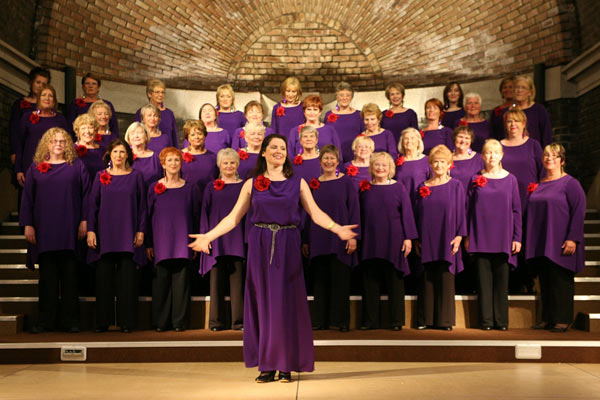
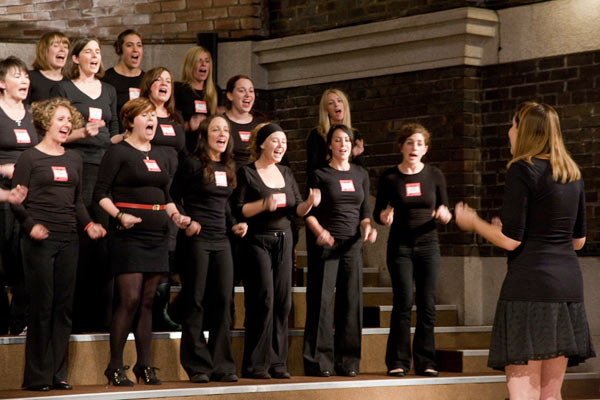
The Metropolitan Cathedral's Cantata Choir performed traditional choral music, while Mersey Harmony treated us to such numbers as Boogie Woogie Bugle Boy and the third choir, Hope Street Harmonies, gave a performance that was anything but traditional, with a medley of Madonna's hits finishing the concert - it was terrific to see such innovation and learn more about the ways the funding has directly benefited the choirs that performed.


The choirs also sang on-air earlier in the week to promote the event - and they also created jingles with BBC Merseyside's radio presenters.

The event was a great opportunity to meet some of the people who led Liverpool through its City of Culture triumphs and who continue to work to support the thriving creative industry there. It was also a good chance to offer something different to BBC Merseyside listeners. We not only held an evening event, but also offered a free drop-in singing workshop at BBC Merseyside's performance space during the afternoon. 

Hope Street Harmonies performing in Liverpool's Metropolitan Cathedral Crypt
It was impressive to see what the participants achieved in such a short space of time - they even did a live performance on the Billy Butler radio programme, singing an African chant that they had learned and harmonised in just two hours! I chatted to a couple of participants who told me they are now determined to form their own choir - so you never know it could be the start of something more. The idea of a BBC Merseyside choir was even raised - and the local staff seemed keen too.


In order to see this content you need to have both Javascript enabled and Flash installed. Visit BBC Webwise for full instructions


Next stop for the BBC Performing Arts Fund is Bristol where there will be more live events and a flash mob choir! Get involved by emailing [email protected]
Alec McGivan is Head of BBC Outreach


Editor's Notes:

The BBC Performing Arts Fund helps aspiring music-makers and performers looking for a way to get ahead across a range of musical genres, including urban music, musical theatre, classical and choral music.

The BBC Performing Arts Fund is a registered charity, number 1101276. The charity (formerly Fame Academy Bursary Trust) was set up in 2003 within the BBC.
The Fund receives revenue from the voting lines of BBC One entertainment programmes that seek to find new performing talent (including Fame Academy, How Do you Solve a Problem Like Maria? and I’d Do Anything).

To date the fund has allocated £3m to fund musicians to help them pursue their careers in music. Last year, they awarded over £208,000 to 98 choirs around the UK through their Choral Ambition scheme.

For more details about that, check the website.

Radio 4 Blog - Mark Damazer leaves the BBC

Post categories:

Laura MurrayLaura Murray|13:45 UK time, Friday, 17 September 2010

Today Mark Damazer leaves Radio 4 for his new job at St Peter's College, Oxford. Broadcasting House presenter Paddy O'Connell had the honour of conducting one last interview with the network's outgoing Controller who leaves the station in great shape with 10M regular listeners.


Watch a snippet of the interview below and see it in full and post a comment on the Radio 4 Blog.

Laura Murray is Editor of About the BBC Blog

MediaCityUK - there's a lot in a name

Blog comments are currently unavailable. Find out more.

Post categories:

Peter SalmonPeter Salmon|09:00 UK time, Friday, 17 September 2010

The new MediaCityUK building at night

These days canals seem so leisurely. All fisherman and holiday makers. A far cry from how they once were.

I grew up next to the Leeds and Liverpool canal, once a bustling highway of traffic, filled with energy and enterprise, and it’s strange to think that these vital waterways will soon be back at the heart of my working life.

Our new home in the north sits on the banks of the 36 mile long Manchester Ship Canal, built between 1887 and 1894, and one of the industrial wonders of the world – it was audacious, politically controversial and fraught with engineering challenges.

In fact it all sounds painfully familiar….

But it is not just the tough business backdrop that draws parallels with our move, the comparisons between the BBC’s big move to the north and the impact the canals had over a century ago are tempting to draw.

Once again the north can lead the way in terms of ambition - creativly and technologically - that will benefit both the region and the whole UK. Particularly important in these tough times.

Canals were part of a revolution - building trade routes and business, making connections and creating networks where previously none existed.

And although MediaCityUK might not deliver a revolution on the same scale, it is a key part of the ongoing northern renaissance.

In the same way that the canal system offered a real time connection that took the North West to the world and brought the world back, MediaCityUK can do exactly the same for the BBC across the region.

It can be a mainline for our audiences into the heart of the media, using the most advanced technology and innovation to connect in new and creative ways.

It can be a place where people and ideas come together and where ambition and experience stand side by side.

The Ship Canal should be an inspiration for what the BBC is hoping to achieve, and although the three new buildings that make up our new home have been affectionately known as A,B and C for the past few years, these names must now make way for something more fitting. Something of a tribute.

A reminder of what has been before and an inspiration for what is to come.

That’s why we have chosen to give each of our buildings a simple name that roots it in the history and drama of our extraordinary waterside home.

BBC Bridge House, will be home to among others Blue Peter, BBC Bitesize, Mastermind and Dragons’ Den, helping capture the imagination of audiences of all ages.

BBC Dock House, the new base for teams including Songs of PraiseResearch and Development and The Radcliffe and Maconie show will connect with licence payers through the interaction of great content and technological innovation.

BBC Quay House, where output from the likes of BBC Breakfast, Radio 5 Live, Match of the Day and North West Tonight will take up residence, will be a home for live and event content that aims to capture the imagination of the whole country and bring the nation together.

Talking of old and new transport systems coming together, the tram line that runs into MediaCityUK opens next week and although you won’t be able to get into our buildings yet, as we are installing some pretty complex technology, just seeing it up close for yourself reveals the size of our ambition and brings to life the scale and complexity of our task.

Even the builders of the extraordinary ship canal would have been impressed by the studios and post production facilities, cutting edge digital technology, 24/7 newsrooms and radio networks, television platforms and some of the best websites in the world, all in one area ready to relive those past glories.

And although the London based press have spent the past few weeks printing pictures of the site from 6 months ago and passing them off as current, the photo below taken last week by Peel Media, shows just how far along we really are. Indeed the site took another leap forward this week when the whole BBC Philharmonic Orchestra came together for the first time in their brand new purpose built studio, serenading the few remaining builders with some simply majestic Rachmaninov.

So we are marching on and the buildings are looking and sounding pretty impressive - perfect representations of the kind of BBC we want to be in the region.

Big but not brash

Open and inviting

Creative and ambitious

New and exciting, but comfortable in our surroundings

Our big new adventure must create a ripple effect of economic and creative benefit across the whole of the north, to deliver that renaissance I mentioned earlier. But it is right that the names of our buildings reflect the soil in which we have laid the foundations, an inspiring spot brimming with history and now expectation.


Peter Salmon is Director of BBC North

The Ouch! Talk Show - join the debate

Blog comments are currently unavailable. Find out more.

Post categories:

Emma Tracey|15:38 UK time, Wednesday, 15 September 2010

In order to see this content you need to have both Javascript enabled and Flash installed. Visit BBC Webwise for full instructions

I’ve been working on Ouch! the BBC’s disability website, since October 2005. Before that, I was already a fan of the main site, with it’s clever, cheeky and refreshingly honest articles and features. But it was the team’s plans to begin producing a disability focused, presenter-lead audio talk show which inspired me to relocate from Ireland. 

The Ouch! Talk show is fronted by two disabled presenters and most of the production team have disabilities too. Each episode is highlighted by an interview, previous guests for which include the BBC’s security correspondent Frank Gardner, quizzed by the presenters to make sure he was receiving all his disability entitlements, Adrian Mole author Sue Townsend, who has a list of impairments as long as your arm and is only too happy to crack jokes about her situation and Big Brother’s Nikki Grahame, who spoke candidly about living with an eating disorder and told harrowing tales of her teenage years, spent predominantly in hospitals and institutions. 

The show also features a regular news section, a game called Vegetable, Vegetable or Vegetable and music by a disabled artist. However it is often the less scripted, more free-flowing and general discussion and debate which grabs the attention of our audience. 

We've now made 56 episodes over almost five years and, as far as we are aware, nothing similar is being produced anywhere in the world at the moment. For the first time, funny, intelligent and passionate disabled people have a platform to discuss the things most important to them. It's not only about critical issues, like the on-going battle for access to basic services, but also the less essential stuff like how to find fashionable clothes suitable for a wheelchair user. When radio or TV tackles these issues, not everyone taking part in the discussion has a disability. That's the difference.

The Ouch! Talk show audience is 20 percent disabled and 80 percent non-disabled. This figure also applies to the rest of the site and is a reflection of the general population. We get a constant stream of emails, both from UK residents and from podcast downloaders in countries as far flung as the US, Australia, Mexico and Argentina. Most express surprise and delight to hear disability being discussed in such an accessible and entertaining way. Others use the show to practise their English. That’s fine too. The more the merrier. 

Before I go, a quick update on a previous Ouch! project. At the start of the summer, Damon Rose told you about our Dis Connected celebrity video interview series. One film was published each Monday for 7 weeks, with the last one going online on the 9th of August. 

Reaction from the disability community and beyond was very positive. Even the Ouch! message board regulars, the site’s most vocal critics, gave the series the thumbs up. 

The talk show and Dis Connected are but the tip of the Ouch! iceberg. The site is updated multiple times each week, with opinion pieces by disabled writers, cartoons, a round up of disability stories from the papers and more. Our weekly newsletter contains links to all new Ouch! content from the previous seven days.

Emma Tracey is a Content Producer on Ouch!

TV blog - 25 years of the Broom Cupboard on CBBC

Post categories:

Laura MurrayLaura Murray|11:54 UK time, Monday, 13 September 2010

Gordon the Gopher

"This week it's the 25th anniversary of the Broom Cupboard - or 25 years of live children's presentation at the BBC. To celebrate, the BBC Archive is releasing rare out-takes and clips of all our old favourites, from past presenters to Gordon the Gopher and Edd the Duck".
Current CBBC Broom Cupboard presenter Iain Stirling tells the story of his audition for the job and introduces the new BBC Archive collection of CBBC Broom Cupboard video and photos which launched this morning.

You can read Iain's blog post in full and leave a comment on the TV Blog.

Laura Murray is Editor of About the BBC Blog

BBC Radio Manchester is 40 years old today

Blog comments are currently unavailable. Find out more.

Post categories:

John RyanJohn Ryan|17:27 UK time, Friday, 10 September 2010

From a converted corridor, above a hat shop in the original, modern city, Alan Sykes pressed a button. From a transmitter high on the Pennines, a five note melody beamed out across the North - and a radio station was born.


Sandra Chalmers read the first news bulletin - Hijacked planes in Jordan, a £284k pools winner, a bomb scare in Stockport and ominously future plans for local radio. Sandy came back 40 years to the day to read the 10am bulletin - Koran Burning, M6 closure, Spending Cuts in Cheshire and the premiere of Manchester City film Blue Moon Rising.


She reflected on those early years from Piccadilly Gardens, and how real people were invited onto the airwaves for the first time. Later in the day, some of those oldest serving listeners took centre-stage in the Andy Crane phone-in.


"We were ... opening that microphone so much wider than it had ever been opened before. When we started those early phone-ins, we didn't realise that what we were actually doing was recording a unique taste of social history. Thirteen of the happiest years of my life."


Team photograph of the pioneers of 1970 Radio Manchester

Pioneers of 1970 Radio Manchester Diana Stenson, Martin Henfield and Sandra Chalmers join some of the Class of 2010


Diana Stenson

Diana Stenson as she appeared in press coverage of the launch


Threaded through the day and across the weekend is a unique project from the BBC Introducing in Manchester team. They've commissioned 40 of Manchester's current bands and artists to cover a Manchester-connected song from each year of Radio Manchester. The resulting '40 by 40' will be featured in a special edition of BBC Introducing in Manchester on Sunday night.


We've been blown away by the creativity and passion shown by the bands that have taken part. Who would have predicted a vaudeville cabaret version of Take That's Relight My Fire (Louis Barabbus and the Bedlam Six), or a bluegrass Heaven Knows I'm Miserable Now? (Richard Barry and Becca Williams). My personal favourite has to be the iconic Manchester song Love Will Tear Us Apart, lovingly adapted from the Joy Division original by rising stars MAY68.


The whole 40th project has been a labour of love from so many people inside and outside the station, past and present. I hope you enjoy it on the air.


The Northern Dance Orchestra vocalist in 1970 wasn't far off our mission in 2010. Even if styles have changed a little since then.


"We have interesting programmes, designed for every age. There'll be music from the hit parade, the cinema and stage. Lots of news and opinions, topical and witty, all from Piccadilly Gardens in the heart of the city."


We may have moved to Oxford Road in 1975 (a charming building which the Pevsner Architectural Guide damns with faint praise - 'unremarkable') but that description stays remarkably accurate as we prepare to join our colleagues at Media City in Salford next year.


Frank Gillard wanted BBC Local Radio to be The People's Radio. So let's leave the last words to one of the listeners who phoned us this morning. June is in Radcliffe. "Thank you very much - Radio Manchester has helped me to live my life through everything. You've touched the lives of so many people - through it all you've all been brilliant"


So have you June. Here's to the next 40.


John Ryan is Managing Editor of Radio Manchester


Introducing the Next Level for BBC iPlayer

Blog comments are currently unavailable. Find out more.

Post categories:

Simon LloydSimon Lloyd|16:15 UK time, Friday, 10 September 2010

As you may know, the new-look BBC iPlayer went live this week after a four-month trial period. It's an evolution of one of our most popular digital services, adding more functionality but making it simpler to use at the same time. Tomorrow, our communications will evolve too with the launch of a new marketing campaign - BBC iPlayer: The Next Level. You can view the first trail below.


In order to see this content you need to have both Javascript enabled and Flash installed. Visit BBC Webwise for full instructions


I wanted to provide a little bit of background to how we got here.

BBC iPlayer has been a huge success since it launched in 2007, under the banner of "making the unmissable, unmissable". At the time, the market for video-on-demand was in its infancy, and the challenge for us was to explain to a mainstream TV audience what BBC iPlayer was. It was a multiple award-winning campaign, and played a part in establishing BBC iPlayer as the best in its class.


But the world has changed since then. Video-on-demand services are everywhere and lots of people have digital video recorders. Social media went mainstream, and while we have attracted a large audience to BBC iPlayer there are plenty of people who don't use it.


The science - talking to people

So this is the challenge I inherited when I joined the BBC last year - and first you have to find out where BBC iPlayer sits in people's lives, through focus groups and research.


First, we found that while people love what BBC iPlayer can do, our marketing messages were beginning to have less impact. Until now we've focused on the functional "you can catch up on programmes" but it was clear that we needed to connect with people on an emotional level, rather than a functional level.


Second, while people love the programmes (the most important part of the BBC iPlayer experience, and what resonates with people more than anything else) using the programmes themselves to promote the BBC iPlayer experience wasn't really conveying what's so good about BBC iPlayer itself. Some people thought it was just another programme trail. This campaign needed to be about the experience.


Finally, we needed to move on from the tag of "catch-up". Three years ago it was a major selling point, but now it's a commodity in a crowded market. Nor does it really capture what BBC iPlayer has become. In a world of plus-one channels and PVRs, catching up isn't nearly as hard as it used to be.


So, while people are interested in the fact that you can access the last seven days' programmes through a website, it was the empowerment factor that really connected: creating a TV and radio experience on your own terms, and the ability to discover great programmes you may not have been looking for. And that's why this campaign feels very different to those that ran before - we are trying to tell people how using BBC iPlayer makes you feel, beyond simply what it does.


The campaign

We have created a theme (based on a portal) which is built to last.

It starts tomorrow with the first broadcast of the trailer above. At this stage, we're simply trying to attract a bit of attention to the fact that BBC iPlayer has changed. It picks up on the idea that if you've not yet seen BBC iPlayer, rather than just being a "catch-up service" - it's a complete entertainment destination. A whole new world, that's worth a look, if you like.


Two weeks later, we'll have some more TV trails and the start of the Radio campaign, that will start to explain what's on the other side of the portal, explaining the benefits of the features audiences told us they wanted the most - e.g. favourites, recommendations - as well as elements that are really important for parents (such as the parental lock). Soon after that, an online marketing campaign will start to complement what we're doing on air.


Of course we don't expect people to be able to judge a campaign on just one trail (that you can embed from here) and the team will be posting all the other trails on the BBC's YouTube channel in coming weeks. But we'd love to know what you think so far.


Simon Lloyd is Director of Marketing for the BBC's Future Media & Technology division


  • Editor's note - credits for the trail:


    BBC Marketing - Simon Lloyd, Terry McGrath & Helen Weeks; Agency - RKCR/Y&R; Creative Director - Mark Roalfe; Creatives - Dan Hubert & Amber Casey; Director - Mario Zozin; Production Company - Red Bee Media; Producer - Louise Jones;


    Production Manager - Emily Simpson; Editing House - The Quarry; Editor - Jonnie Scarlett;

    Post Production - Framestore; Flame Op - Jude Roberts; Audio - Wave; Composer - Tam Nightingale.


A tribute to the life and craft of Agatha Christie

Blog comments are currently unavailable. Find out more.

Post categories:

Laura MurrayLaura Murray|12:03 UK time, Friday, 10 September 2010


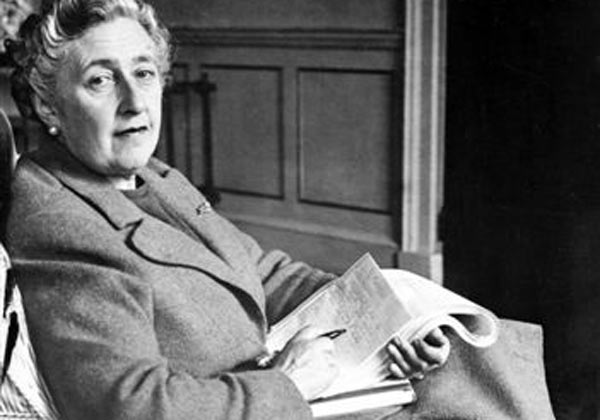
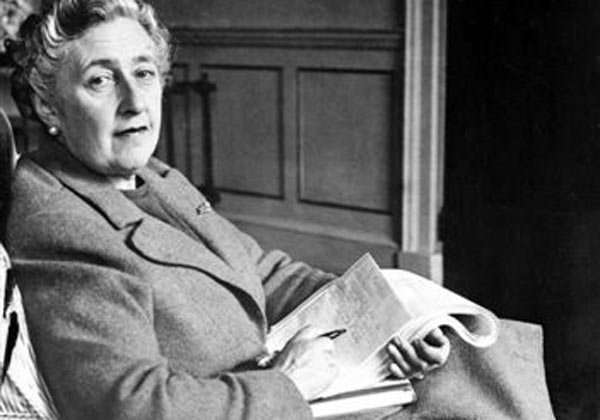
Agatha Christie

Today the BBC Archive has released a small collection of radio and television items marking the 120th anniversary of the author's birth.


This new collection features interviews with Agatha herself and extracts from recently discovered tapes that she made in preparation for writing her autobiography. Also available to watch and listen to are tributes from theatrical luminaries including Lord Attenborough and Dame Sybil Thorndike, and items tracing the many anniversaries of Christie's legendary whodunnit, 'The Mousetrap'.


The collection is available now to view on the BBC Archive website.


Laura Murray is Editor of the About the BBC Blog


BBC announces new initiative with the Arts Council England

Blog comments are currently unavailable. Find out more.

Post categories:

Mark BellMark Bell|08:27 UK time, Thursday, 9 September 2010

Today we announced that the BBC Academy (the training ground for BBC production personnel) is teaming up with the ACE (Arts Council England) to help staff in arts institutions gain production skills for film, TV and the web. The BBC and the Arts Council have a shared aim to engage new audiences in arts and culture and as arts organisations look to digital forums to reach a wider public, the BBC is uniquely placed to facilitate such developments. It's a very exciting partnership.


The BBC has always supported the arts, in all sorts of ways - from the BBC Proms season, Glastonbury, and the recent live Rigoletto from Mantua, to coverage of the Edinburgh Festival and the Manchester Festival, on BBC TV as well as Radio 3 and Radio 4. Day to day the arts are reported on in news programmes (and we have a dedicated Arts Editor in the newsroom, Will Gompertz) as well as dedicated arts and culture shows such as Front Row, the Culture Show, Night Waves, the Review Show and Saturday Review. In these shows we cover many of the big events in the arts calendar such as the Man Booker Prize, the Stirling Prize, Frieze Art Fair, the Royal Academy summer exhibition and the opening of the revamped Ashmolean Museum. In addition Alan Yentob regularly presents films about the big names and interesting stories in arts and culture in Imagine.


We broadcast from and report on arts events as they happen around the country, and we participate in the creation of arts events - from The British Museum's History of the World in 100 Objects to filmmaker Adam Curtis's collaboration with Punchdrunk on their site-specific theatre piece It Felt Like a Kiss at the Manchester International Festival. Last Christmas we broadcasted a filmed version of the RSC production of Hamlet with David Tennant, and coming up we have Rupert Goold's Chichester Festival Macbeth with Patrick Stewart.


The BBC has a long tradition of making spectacular series that show the glories of art at the same time as setting them in a historical and cultural context - from Civilisation and The Shock of the New through to the Art of Russia and Seven Ages of Britain. And we have some great expertise - from Simon Schama, Andrew Graham-Dixon, Waldemar Januszczak, Laura Cumming and Matt Collings to newer faces like Alastair Sooke, James Fox and Clemency Burton-Hill.


We also draw attention to areas of the arts that are often overlooked or seen as specialist. The BBC's Poetry Season across radio and TV in 2009 caused increased interest in poetry and a surge in the sales of poetry books. The BBC Opera season this summer was a great success bringing new audiences to opera with Gareth Malone in Glyndebourne and turning star conductor Antonio Pappano into a star of TV, and early next year we will be turning our attention to the novel, in a season of programmes at the centre of which will be a series presented by novelist Sebastian Faulks.


Our partnership with ACE and our continuing support of the arts in general is more important than ever, as public sector support is cut, arts institutions will need to look for new and imaginative ways of working. More and more institutions are looking to film and at the web as a way of growing their audiences and creating more impact. The BBC can help as a broadcaster by bringing audiences to what it is they do, and by using our expertise to train their staff in the production of audiovisual material.


The BBC is unique. We are the biggest broadcaster of arts programmes in the world in terms of the audiences who come to our programmes and our commitment to them.

Today I will be out and about at the Media Festival Arts, listening to what the top people in arts and broadcasting have to say. I am also taking part in a panel discussion about commissioning arts programmes and arts sponsorship.


Mark Bell is the commissioning editor of BBC Arts


  • Editor's note - the Media Festival Arts brings the arts, film and media industries together to discuss potential for commercial and creative collaboration in the digital sphere. Mark Bell will be speaking alongside BBC Director General Mark Thompson, BBC Creative Director Alan Yentob, BBC Head of Archive Roly Keating and Culture Secretary Jeremy Hunt. It began on Wednesday and runs until Friday. For full details, visit www.themediafestivalarts.com


BBC Radio Manchester - the first two hours of broadcast

Blog comments are currently unavailable. Find out more.

Post categories:

John RyanJohn Ryan|15:10 UK time, Monday, 6 September 2010

BBC Radio Manchester is 40 years old on Friday 10 September - and I've been tracking down recordings of the early days to help us celebrate four decades on the air.


Everyone told me the first hours of the station no longer existed. Previous anniversaries had come and gone with fruitless enquiries to the North West Sound Archive. At some point in the last forty years those dusty reels had been skipped. Or so we thought. The NWSA is housed in part of a twelfth century castle at Clitheroe, where shelves of dusty 12" reels, VHS and Beta dubs live next to a charming 'studio' full of the largely obsolete, donated equipment required to dub it to CD.


So imagine the lucky surprise when my first enquiry into the database (DOS! - itself, a blast from the past) turned up two crystal clear spools. The first two hours had been thoughtfully returned to the archive by a former manager since the last time we'd asked for them.


Listening to them is a fascinating journey back in time. For a simple medium, radio sure has moved on in four decades. This feels in part like a BBC imposed on the city - local accents are few and far between. Political correctness has yet to make an appearance - there's an off colour Hitler gag in the first hour, the only people thought to be interested in the soon-to-be-built Arndale Centre are 'housewives' and in some recordings you can clearly hear cigarettes being inhaled and the popping of lips on pipes.


In order to see this content you need to have both Javascript enabled and Flash installed. Visit BBC Webwise for full instructions


We were (and are) a speech led service. But then, as now, music plays a supporting role to our topical conversation. Back in 1970, so-called needletime restrictions meant a seriously low cap on the amount of commercial recordings the station could play. So our first song - an English Folk Song Medley of I've Got A Lovely Bunch of Coconuts and I Do Like to Be Beside The Seaside - may not have been what was expected, when the chart of the day included Smokey Robinson, Elvis, Marmalade and Shirley Bassey.


An old photograph of the Radio Manchester Newsroom

Radio Manchester Newsroom

On Friday, we'll be welcoming back some of those pioneering broadcasters to see how they get on in the 2010 version of the station they started. I'll let you know how they get on.


John Ryan is Managing Editor of Radio Manchester


Big Screens - the next big thing

Blog comments are currently unavailable. Find out more.

Post categories:

Stephen Morgan|09:59 UK time, Monday, 6 September 2010

It's always refreshing to get out of the office and meet people. In my job, as a Screen Manager in Wales, with the Big Screens project, there's never a dull moment. Big Screens are becoming city centre meeting points. In Cardiff alone, 200,000 people walk past the screen every week. That's a lot of people. During our events I get to stop and talk to our audiences. We chat about what they enjoy and I jot down all the feedback. It's a good way to fine-tune our plans. From meeting locals, tourists and special visitors like the Archbishop of Canterbury, you can't ask for more variety.


Crowd watching a Big Screen in a city centre

Let me tell you more about the project. It's a BBC partnership with London 2012 and local authorities. I look after Swansea and Cardiff but Big Screens are located across the UK. As well as news, sports and weather from the BBC, there's a good mix of local stuff, made by local people. Archive content, films, animations and pictures. Who can be a part of it? Anyone can, as long as it fits in with our editorial guidelines. Artists, students, school children and people of all ages. They love to see their work showcased in a public space. The Big Screens are there for the community to use and we make sure the content is suitable for everyone.


Local films are complemented by the latest information from the organisers of the London Olympics. 2012 is going to be fantastic. I can't wait. As well as planning for the Games, there's so much else to think about as well. The Torch Relay, the Queen's Diamond Jubilee, Euro 2012, Six Nations, US Masters Golf. The list goes on. Royal Wedding?!


Every event is meticulously planned and I get to see each one through from start to finish.


Crowd watching a Doctor Who Big Screen in a city centre

It was great to be part of a wonderful Doctor Who event in June. Cybermen and a Dalek stormed Cardiff city centre as Doctor Who's latest online game was premiered on the Big Screen, before it was released to the general public. In another Doctor Who event in Swansea, we handed out 7000 pairs of 3D glasses, enabling fans to enjoy a special preview of the new series.


Our BBC Dig In event inspired people to grow their own veg. Chris Collins, the Blue Peter gardener, was on hand to help with any gardening troubles. We distributed 6000 packets of seeds.


In the run-up to the General Election, we hosted an interactive BBC News event and the Big Screen in Cardiff was recently featured on Tonight's the Night, BBC One. It was used to reveal one of the surprises on John Barrowman's programme. It was a dream come true for two people from Bridgend.


We often work long days, but even when you've been on your feet all day, seeing the audience having a really good time makes it all worthwhile. It's very satisfying. People tell me they appreciate free events, and enjoy coming together to soak up the atmosphere. The World Cup was not an exception. Although it was available on television, the Big Screen proved to be a big attraction. In Swansea we had around 1500 watching England play but in Leeds they had crowds of up to 9000 and in Leicester around 7.000 regularly. "It's so much better outside," said one of the viewers.


Crowd watching a football match during the World Cup in a city centre

We're all different but enjoy meeting up to share a common interest. It could be exclusive coverage of a BBC National Orchestra of Wales concert, Wimbledon, a live relay from the Royal Opera House, a local graduation ceremony or a world premiere of a short film created by local school children. We've got it all covered. Something for everyone.


I'll share some more summer highlights with you next time. In the meantime we look forward to watching the Last Night of the Proms on the Big Screens on September 11.


A BBC Big Screens display

Stephen Morgan is the BBC's Screen Manager for Wales


Internet Blog - BBC iPlayer gets even better

Post categories:

Laura MurrayLaura Murray|16:50 UK time, Friday, 3 September 2010

Over on the BBC Internet Blog, James Hewines, Head of BBC iPlayer has posted about the next iteration of the service.


"The BBC iPlayer team are very excited about the latest developments going live next week - this is a big step for the product, and its users, bringing:


  • A new design which is more fun to use, and distinctively styled.
  • A range of personalisation features that let you shape your very own BBC iPlayer experience.
  • Integration with your social network account that lets you add a social dimension to your viewing and listening".


Read James Hewines' post in full and comment on the BBC Internet Blog.


There is also a blog from David Blackall, who looks after all new website feature offerings for BBC iPlayer on PC, Mac and Linux, about how your feedback influenced the new Beta. You can read David's blog and comment here.


The Spending Review: Making It Clear

Blog comments are currently unavailable. Find out more.

Post categories:

Mark ByfordMark Byford|17:24 UK time, Thursday, 2 September 2010

Next week and running through with a second push in early October, the BBC will broadcast a season of programming and content across its TV, radio and online journalism output examining the impending cuts to public sector spending. This is set in the context that the Government will be making its major announcement on the Spending Review on October 20th. During the recent General Election campaign one of our main jobs at the BBC was to act as a trusted guide explaining an often very complex set of issues. The focus for all our editorial content around the Election was "Making it Clear". This was not just a title - it was a mission statement for the BBC's election campaign coverage. So, too, will it now be for our coverage in the run up to the Spending Review announcement.

During critical times such as now, for the United Kingdom, the BBC has an important role to play to clarify the issues for our audiences - to help them make sense of different ideas and points of view. The Spending Review is one of those times and our aim is to provide insightful, objective programmes and expert analysis to help people understand the context and the potential options. We'll look at where and at what level the cuts may be made and why they are happening now, ask what the key issues are, how the Government is dealing with them and what the implications of the cuts could be.

At the heart of next week's programming are twelve major regional television debates across the English regions being broadcast on BBC One on Thursday 9th September at 10.35 pm. The audience will include politicians, public sector workers, business leaders and members of the public. This is a good example of the unique ability of the BBC's regional and local services to connect with their audiences and engage them in a subject that is likely to have a direct effect on their lives. The debates will examine the potential impact of the spending review in their regions, exploring the decisions that local councils will be faced with and how those decisions might impact on jobs, services and local businesses. They will use as a starting point the results of a study commissioned by the BBC's English regions which brings together, for the first time, a range of different factors that determine how vulnerable a particular area is to economic impacts such as public sector cuts. The debates will be followed up on BBC Local Radio the following morning.

As well as the regional debates and survey next week, there will also be widespread coverage across the BBC's main network news programmes for the whole UK including a special focus through the forthcoming party conference season. Nick Robinson will be travelling around the country to find out what are the key issues on people's minds about the Spending Review. Newsnight will be offering its own special reportage and debate and in the following week the Today programme looks at the Spending Review issues through the lens of two constituencies in Sheffield.

Launching on Saturday we have a special website featuring the latest news on the Spending Review, Q&A's from our key correspondents and lots more rich content and analysis to sit alongside our radio and TV programmes. Click on www.bbc.co.uk/spendingreview. Moving into early October there will further debates broadcast in Scotland, Wales and Northern Ireland and our specialist correspondents will look at the issues sector by sector. On the day that the Government announces full details of the cuts on October 20th Andrew Neil will present a programme dedicated to the Spending Review and there will be extended reports and analysis in our main news programmes.

This kind of comprehensive programming, providing real public service is what the BBC is here to do and we will continue to follow the story throughout the autumn. We hope it will help our audiences understand the full context of the Spending Review and what it may mean for them.

Mark Byford is Deputy Director General and Head of BBC Journalism


BBC Radio Manchester is about to be 40

Blog comments are currently unavailable. Find out more.

Post categories:

John RyanJohn Ryan|12:49 UK time, Thursday, 2 September 2010

BBC Radio Manchester is about to celebrate four decades on the air. I was two when it began. Little did I know that forty years later, I'd be organising a birthday party for what was then the biggest local radio station in the country.


It's a project that's taken me to Clitheroe and a TARDIS-like bungalow on the outskirts of Reading where the BBC keeps its written archives.


As Managing Editor of BBC Radio Manchester (for the most recent eighth of its history at least), my first thought was to do the post-modern thing and ignore our fortieth altogether. What difference does it make to today's listener when we started? Radio is the ultimate fashion medium - it's at its best in the moment, the now. Nothing dates like radio.


But then I found out more about the pioneering team who were there at the start, making it up as they went along from cramped studios in Piccadilly Gardens. I heard the jingles, some from the Northern Dance Orchestra, others from those kooky types at the Radiophonic Workshop. In those dusty Caversham archives, the faded leaves of leather bound Radio Times spoke of shows like the pub quiz Down Your Pint, the daily children's show Mini Manchester - and the mysterious Baron who hosted a late night show 'for the city's groovers.'


How could we not share those moments with a new generation of Mancunians? As we get ready to join the rest of BBC North at Media City in Salford, it feels like the right time to celebrate our long history in Manchester.


Which led me back to Clitheroe Castle, the unlikely home of the labour-of-love depository known as the North West Sound Archive - and the search for the very first two hours of BBC Radio Manchester, first broadcast at 6am on 10 September 1970.


To be continued.


John Ryan is Managing Editor of Radio Manchester


About this blog

Senior staff and experts from across the organisation use this blog to talk about what's happening inside the BBC. We also highlight and link to some of the debates happening on other blogs and online spaces inside and outside the corporation.

Here are some tips for taking part.

This blog is edited by Jon Jacob.

Subscribe to this blog

You can stay up to date with About the BBC via these feeds.

If you aren't sure what RSS is you'll find our beginner's guide to RSS useful.

[an error occurred while processing this directive]

Follow this blog

Other BBC blogs

More from this blog...

Categories

These are some of the popular topics this blog covers.