About the BBC - BlogAbout the BBC - Blog
Local Navigation

Archives for November 2009

Beyond 2012 - The Future of the BBC

Blog comments are currently unavailable. Find out more.

Post categories:

Mark ThompsonMark Thompson|16:15 UK time, Friday, 27 November 2009

Yesterday I gave a speech to the Voice of the Listener and Viewer (VLV), and I thought readers of this blog might like the chance to read it and also hear a bit more about what I was saying and why.

A few months ago, after discussion with the BBC Trust, I announced a substantial re-examination of the BBC's overall strategy. As technology developments gather pace and the economic outlook changes, we need to be sure the BBC is properly focused on our mission to inform, educate and entertain, and is able to deliver to the standards everyone expects. The big question in my mind was: what needs to change to make sure the BBC continues to do the very best for all audiences in what has become known as 'the digital age'.

At a speech to an industry conference in Cambridge, I sought to do two things: firstly, to highlight the importance in this country of 'public space' - those things which are open to all of us to use and take advantage of, including the BBC - and secondly, to acknowledge that, in a world of greater financial pressure, those of us who occupy that public space need to be able to justify our place both by being very clear why we are there and in delivering what we promise. That's what our strategy review is all about.

Yesterday, when I spoke to the VLV I wanted to make clear that - in reviewing our strategy - our focus would be getting the BBC in the best shape possible to deliver what the public really wants from us: quality programming. Even more than at present, our focus first and foremost in the future will be on quality: creative ambition, excellence and original programming across television, radio and online.

Work is progressing so I will be able to unveil early next year what will be changing at the BBC to allow that increased commitment. And as Sir Michael Lyons announced earlier this week, the Trust will consult publicly on those measures. But in the meantime, I want everyone to understand that quality is our priority and that is what is driving our approach.

Yesterday I also spoke about the importance of the BBC's independence from government and highlighted the difficulties faced by other broadcasters around the world who are not fortunate enough to enjoy the structures which secure the BBC's independence. If you have time, do read the speech in full. Also, you might like to look at a feature on Newsnight last night about the future of the BBC. A proud part of the BBC's heritage is that our news programmes do not shy from holding BBC bosses to account. And you can see that principle in action when Gavin Esler interviewed me, along with industry experts, the Secretary of State for Culture, Media and Sport and his Conservative Shadow.

Setting out our ambitions for 2012

Post categories:

Roger Mosey|14:54 UK time, Thursday, 26 November 2009

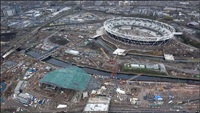
stratford.jpgI've never been a particular fan of mission statements because the worst of them have you grinding your teeth at their banality - and there are more bad ones than good ones in the world. But I do believe in being clear about what you're trying to do with a particular enterprise - and being able to define success.

So in the BBC project team we've been kicking around the big things we want to achieve in 2012 - partly to be open with our staff and outside partners about what we're doing, but also to share our aims with audiences. It's particularly important to get across that this is about the story of a year and its aftermath, rather than just 17 days of sporting action - massive though those are.

Please note: this is an extract. Read the rest of Roger Mosey's blog post and leave comments on his blog.

Making BBC History

Blog comments are currently unavailable. Find out more.

Post categories:

Robert SeatterRobert Seatter|11:53 UK time, Thursday, 26 November 2009

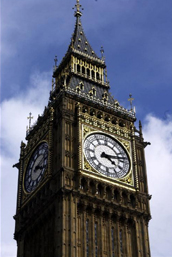
bigben.jpgThis week sees the official launch of the new Democracy Live site at the Houses Of Parliament, bringing - as Total Politics said - "a decidedly 21st-century edge to watching parliamentary discussion". Now you can watch parliamentary activity across the UK nations AND from the European parliament, plus you can embed it, follow a theme/a speaker, make it your own...

In historical terms, there is of course a long, incremental story behind this expansive glimpse into the hour-by-hour workings of contemporary parliaments. In fact, its launch comes at a very timely moment - just 20 years, almost to the day, since the BBC began regular TV broadcasts from the Commons, on 21 November 1989. As with any innovation, that moment had not been achieved without a deal of struggle. There had been pilots, persuasions, a to-and-fro conversation. Even at its initiation, the Speaker, John Biffen, could only muster enough certitude to call it "a leap in the dark". MP Janet Fookes was way ahead in the freedom of information stakes, when she stated that "the public is entitled to see as well as hear and read what goes on in this place".

Others, however, were far less supportive. One MP, Joe Ashton, warned that TV would transform Parliament into a soap opera on a par with Dallas or Dynasty: "Cameras will turn the Commons into the Neil & Maggie Show or Scrap of the Day" (give that man a job in TV!). Tory backbencher John Stokes was similarly derisive: "Our dress and appearance would alter. It would be a great temptation for certain lady members to wear pretty hats. And viewers might be more moved by the length of their skirts than the length of their speeches. (Male) MPs might think they have to alter their hairstyles and wear make-up..." Well!

It's easy to chuckle at these comments, but it's also a reminder that change and innovation are never easy. Broadcasting, more perhaps than any other medium, holds the glass up to our world, and shows us how speedily it has changed, goes on changing.

In BBC History, we've been looking latterly at many of these innovation moments, and tracking their impact on all of our lives. You can find a Timeline of Innovation on our BBC Story site. It's by no means exhaustive, but what it attempts to show is how - decade by decade - perceptions have been shifted by innovations in TV, radio and other, newer media. And it's not just technology, it's also fresh creative formats, new and different ways of engaging audiences...

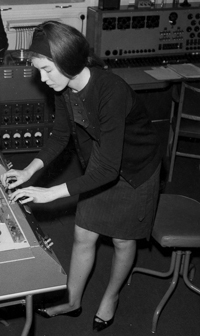
deliaderbyshire.jpgWe wouldn't have had the recent dramatisation of Emma without the groundbreaking Forsyte Saga (1967); last week's Children in Need was transformed in 1980 by a revelatory new format called a 'telethon'. And Saturday evening family viewing would never ever be the same again after Delia Derbyshire's chilling electronic synthesiser from the BBC's innovative Radiophonic Workshop (see picture) ushered in the creation of Doctor Who (23 November 1963), still alive and well and constantly reinventing itself 46 years on.

I'm keen to capture audience perceptions of these (and many other) broadcast 'moments'. Go to The BBC Story for an opportunity to do this. Plus there's lots more to find out about the story of the BBC, from feature articles on John Reith, creator of the BBC, to case studies of the BBC's interaction with government, from video tours of Broadcasting House and Television Centre to a weekly object from our artefact/art collection.

(Robert Seatter is the Head of BBC History)

A History of The World in 100 Objects

Post categories:

Mark DamazerMark Damazer|12:56 UK time, Wednesday, 25 November 2009

In order to see this content you need to have both Javascript enabled and Flash installed. Visit BBC Webwise for full instructions

Today we unveiled details of the most ambitious and exciting factual project since I became Controller of Radio 4. It's A History of The World in 100 Objects, presented and written by Neil MacGregor - the Director of the British Museum.

In 100 separate 15-minute programmes Neil talks about a single object in the British Museum collection that can tell us about a host of different things. There will, of course, be a description of the object, but most of each programme will focus on areas where radio excels as a medium - on how the object was made, its political, economic and cultural significance, how the object came to be in the collection, and so on. There are a hatful of stories and ideas in every programme. I have heard those that have been made so far and they are wonderful.

Please note: this is an extract. Read the rest of Mark Damazer's blog post and leave comments on the Radio 4 blog.

How big is Pudsey?: The BBC's charity appeals

Blog comments are currently unavailable. Find out more.

Post categories:

Diane ReidDiane Reid|08:32 UK time, Wednesday, 25 November 2009

pudsey.jpg"Pudsey's bigger every year, is that right?" I'm travelling home on the Manchester train the morning after a long fundraising night. Keiron, 10, sits opposite me and offers his views on Children in Need and the latest fundraising telethon. He hadn't been allowed to stay up late to watch the show but he knew all about the money raised and which celebrities had appeared and he definitely wanted to buy the Peter Kay official Children in Need DVD. He's one of thousands of people across the country who this weekend raised money for Children in Need.

In fact, the total money raised for the studio night wasn't bigger than the previous year's. Just after 2 o'clock on Friday morning, it was confirmed that a fantastic £20,309,747 had been raised. The total was slightly down on last year, but very impressive in the current climate. The audience had been the highest since 2003.

There's an assumption that every year the BBC's charity appeals will make more and more money. But the reality is that each year Children in Need starts with nothing and it takes hard work and innovation from both the charity and the BBC to raise the money. In the run-up to the broadcast appeal this year there'd been intense speculation inside and outside the BBC, and especially amongst other charities, about how the night would go. At a time of deep recession, would the public still dig deep into their pockets?

In all the speculation about the amount raised, it's easy to forget that raising money is only part of the picture - making people aware of the problems and issues facing children across the UK and actually spending the money to change their lives for the better is the other crucial part.

Charities have been affected in different ways by the recession. For some, the need for their services has never been greater. Others, those with a large proportion of statutory funding, may be less affected. Charities which derive much of their income from interest on investments feel the impact of the recession keenly. But charities like Children in Need and Comic Relief, which get nearly all their money from public donations, want to know if, when times are hard, people will still donate.

One of the reasons people donate to BBC appeals is that audiences trust the BBC to check out the charities it broadcasts appeals for. The charities we support should be well run, sustainable, have real impact and the money raised must go where the BBC said it would. My role as the BBC's Charity Appeals Advisor is to make sure this happens.

The BBC can't make people donate to charity, nor should it, but it does provide opportunities to donate. One of the recent new opportunities is texting. Earlier this year there was a breakthrough when text service providers agreed to set up special charity numbers - the 7 codes and tariffs. This breakthrough meant that a healthy £1.5m plus Gift Aid was raised during Thursday night's Albert Hall rock concert.

So now all of us - programme-makers, fundraisers, donors great and small, and children's projects across the UK - wait for Children in Need's grand total. We won't know this until March. Can the BBC and its audience - an audience which each year raises up to £100m for charity - beat last year's Children in Need total of over £37m? I'll stick my neck out and say I believe we can come very close. Over and over again I'm humbled by the generosity of our audience.

At any given time, a wide variety of appeals are being planned or broadcast. For example, the BBC's newest charity, the BBC Wildlife Fund, is working on a BBC Two appeal which will go out early in the summer next year and will look and feel very different from Children in Need and Comic Relief. At BBC Radio Hereford & Worcester they're searching for a charity partner for an appeal which will involve and inspire their audience for the whole of 2010. And Blue Peter is running the Send a Smile Appeal, encouraging its young audience to make T-shirts into medical gowns, to support cleft repair operations for children in India. I'll let you know how they get on.

This much we know... about you: BBC audience research

Blog comments are currently unavailable. Find out more.

Post categories:

Helen NormoyleHelen Normoyle|14:14 UK time, Tuesday, 24 November 2009

research.jpgThe audience have a lot to say to the BBC. And we want to hear it. Not only do some of you contact us with your feedback on our programmes and services, but we also carry out extensive research with many people across the UK every year.

When it comes to economy worries, for example, our research has shown that men are more drawn to stories on interest rates and inflation than women. While women are more attracted to practical stories, for example reading tips on saving money, than men.

But why do we care? Because understanding what's important to our audience helps us make better programmes. While nearly eight out of ten of you feel the BBC News coverage of the recession has helped your understanding of the economy, you also told us that there were economic terms we used that weren't part of your vocabulary. So, for example, only one in ten of you said you would feel confident explaining complicated money terms, like 'GDP', to a friend. That's why BBC News expanded its online glossary and now presenters take more time to describe phrases - such as 'GDP' or 'quantitative easing'.

Research also brought to our attention a really active and involved section of the younger audience eager for more engagement with news. As a result we're piloting short, snappy and creative economy news bulletins called Biz Bites.

The economy story is unique in affecting every audience member. But some audience groups are harder to speak to than others. Not everyone wants to answer a survey question or attend a focus group. That's why we set up a cutting-edge research website for young people to talk about issues that matter to them. We ask them their opinions on, say, money or alcohol, and they blog, comment and post pictures on what it means to them. It's like a social networking site for research. Some comments even spark off ideas for BBC Three programmes.

As Director of Audiences, this is the kind of research my team and I deal with every day. I lead a team of researchers who provide the BBC with a wide range of information - from how many people watched Waterloo Road last week to how disabled people are represented in our programming. We mainly get these facts and figures from surveys - on the telephone, face to face and online - and through focus groups. Most participants don't even know they're answering questions for the BBC to prevent bias in responses.

On a daily basis we collect comments from 5,000 listeners and viewers to find out what people are saying about programmes, how much they like them, and whether they think they were good quality and original.

Our research allows us to have a dialogue with the audience that we wouldn't have otherwise. That's why we're all ears.

The 5 live blog: Answering your questions about 5 live

Post categories:

Chris JonesChris Jones|11:58 UK time, Friday, 20 November 2009

vanklaveren.jpgOver at the excellent 5 Live blog, controller Adrian Van Klaveren has engaged with questions raised in a comment on a previous post concerning the schedule changes. For your chance to enter into this lively debate, head over to the 5 Live blog.

The future of audio: the UK Radioplayer

Blog comments are currently unavailable. Find out more.

Post categories:

Tim DavieTim Davie|10:46 UK time, Thursday, 19 November 2009

Today I have been at the Media Festival in Manchester talking about The Future of Audio. My speech followed the announcement this morning of the industry-wide UK Radioplayer and I was delighted to show the audience this mocked-up demo of how the player might look and work:

In order to see this content you need to have both Javascript enabled and Flash installed. Visit BBC Webwise for full instructions


It's a really exciting development and a result of focused, collaborative thinking within the radio industry. It's a simple, compelling proposition for listeners, and I would welcome any comments on the project. In my speech, I argued that projects that lead digital innovation - like the Radioplayer - are essential if the audio market is to remain strong, but they must go hand in hand with unique, challenging and thought-provoking programmes which make the most of radio's unique ability to push creative boundaries. Here are a few examples:


Radio 4's The History of the World in 100 Objects, which airs early next year: a hugely ambitious project involving a partnership with the British Museum and with scores of museums across the country.

Jeremy Vine's Radio 2 show focuses on dementia all next week, looking at a number of issues ranging from quality of care to how sufferers may be open to financial abuse.

Radio 1's Newsbeat will visit Afghanistan in December, reporting not only from Camp Bastion but also from within a US Marine Forward Operating Base, and building on the station's deeply impressive record in reporting the realities and implications of the conflict.

Radio 3's end-of-year programming around its four Composers of the Year, with a rather special New Year's Eve when guests as varied as Fiona Shaw, Sting and John Sessions will reveal their own thoughts of the composers, followed by live debate.

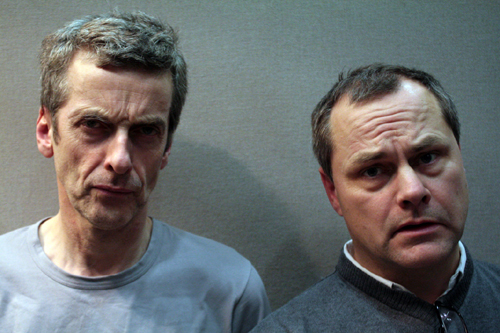
• And cutting-edge comedy on Radio 4 in News at Bedtime, a rather different type of news analysis programme as it covers events via the world of nursery rhymes and fairy tales. The seven-part satirical series will be hosted by John Tweedledum (played by Jack Dee) and John Tweedledee (Peter Capaldi) and is written by Ian Hislop and Nick Newman.


capaldi_dee.jpg Finally, I explained how we are developing our audio archive so that we can provide resources of enormous and lasting value. For instance, next year we will launch a new In Our Time archive that will be available for anyone who wants to access a full 11 years of quite superb broadcasts on the History of Ideas, featuring everything from Schopenhauer to the death of Elizabeth I. Quite brilliant and utterly unique. But if you can't wait until then, you can enjoy Melvyn Bragg's latest programme here.


(Tim Davie is Director of BBC Audio & Music)

@North - Commissioning new interactive BBC content for children

Blog comments are currently unavailable. Find out more.

Post categories:

Peter SalmonPeter Salmon|11:00 UK time, Wednesday, 18 November 2009

cbeebies_logo.jpgBesides Jimmy McGovern's powerful drama series The Street, the big winner at this weekend's RTS North West Awards was Dragons' Den - a jewel in BBC Two's crown - and particularly its multiplatform spin-off, The Online Den.

Now it's the turn of the children's multimedia sector to make an impact supported by BBC North.

Later today at the Manchester Media Festival I'll be announcing a new initiative for multimedia content makers in the North of England.

It's called '@North' and is a plan to make £500,000 available to commission up to four new pilots of interactive content for CBeebies and CBBC.

It's a really innovative scheme and perfectly captures some of our big ambitions for the move to Salford Quays.

In fact, it feels very much like a sign of things to come.

Firstly, it's come about through partnerships and will be run in collaboration with the regional screen agencies: Northwest Vision and Media,Northern Film & Media and Screen Yorkshire.

Secondly, this is a very real, very tangible, investment in the North.

We have allocated the money. We have published the guidelines. We have given everyone a blank sheet of paper. And now it's up to the creative teams from Newcastle to Crewe to blow us away with some fantastic ideas. The BBC can be the platform that shares the brilliant work already being done across the North with audiences throughout the UK.

Thirdly, it's about bringing together editorial and technology - something we want to be second nature at our new base.

And finally, it is a chance for the BBC to be more open, more collaborative, and to support the wider media sector with training, technical infrastructure and audience insight that will leave a lasting legacy in the digital economy of the North.

It's a new concept for the BBC, a new way of working and - with up to four CBBC commissions up for grabs - a new commitment to producing groundbreaking content inspired by the North of England but loved by everyone.

If you are an indie or digital agency in the North and are interested in the @North project, get in contact with [email protected]

BBC Disclosure - April to June 2009

Blog comments are currently unavailable. Find out more.

Post categories:

Caroline ThomsonCaroline Thomson|08:32 UK time, Thursday, 12 November 2009

Earlier this year, Mark Thompson made a commitment to make the BBC a leader in transparency in the public sector. Today, in an important step towards this goal, the BBC has published a new set of pages that clearly set out senior managers' pay and expenses along with a full job description. In this video I discuss with Konnie Huq the thinking behind this progressive move.

In order to see this content you need to have both Javascript enabled and Flash installed. Visit BBC Webwise for full instructions


The BBC must always be accountable to the public which funds it and today's announcement is another step on the road to ever greater transparency and openness. We are meeting this challenge at a time when the public are demanding greater levels of accountability across the entire public sector and the BBC is determined not just to deliver the basic information but to do so in a way which marks a step-change in openness, simplicity and accountability. We are meeting the spirit as well as the letter of the law.


So today we are taking a significant step forward in opening up the BBC. In publishing the precise salaries and full business-related expenses for more than one hundred senior managers at the BBC we are going way beyond the disclosure of executive board level directors that many comparable organisations reveal. We are doing this because we believe it is the right thing to do, and there should be transparency around how we reward the most senior members of staff. These individuals have been identified according to their salary, their responsibilities and influence for spending public money and for overseeing the BBC's services and operations. The publication includes a number of the individuals whose salaries and expenses were published earlier in the year.

We are also going further in providing complete transparency over business-related expenses. Most organisations account for expenses in two ways - out-of-pocket business expenses, and centrally booked costs. Where the BBC is different is that we are publishing both, which are listed today in two categories - e-expenses and central bookings. Central bookings relate to services that have been booked using the BBC's centralised system such as taxis, flights and hotels. E-expenses are costs that are incurred by individuals such as hospitality and business meals or travel when they cannot access the central bookings system.

We are also building on our disclosure policy earlier in the year where we kept redactions to a minimum. In total just under 3,000 lines of information have been published today and the BBC has made redactions to only 1% of the records to protect confidentiality.

Of course there has been much debate in the media about the level of senior managers' pay at the BBC. The figures published today represent senior management salaries and expenses for April to June 2009. In the context of today's announcement it is important to remember that we recently announced that we will be reducing the total pay bill for senior managers by 25% over the next three years and will be reducing the number of senior managers by 18% over the same period. Alongside a new remuneration policy for senior managers we published a report that found we are paying between 25% and 65% less for our senior managers than comparable organisations.

Inevitably in a painful recession any spend is likely to attract comment. However, in reviewing today's material I am of the view that when you hold up both the salaries of our senior managers and their expenses to other comparable organisations in our industry we have a record which stands up to scrutiny. It is also important to recognise that many of the meetings where expenses are incurred result in deals being secured that generate millions of pounds in terms of co-production money and programme sales which the BBC can then reinvest in BBC content that I hope the public enjoy and value.

Our decision to disclose salaries and business-related expenses I believe demonstrates a new era of openness at the BBC.

With that in mind, we decided not simply to publish a 3,000-line spreadsheet, but instead to order and present the information in a way that is most useful. The public will be able to find the information that we have announced today on the About the BBC section of the BBC website. Here not only will people find the precise financial details of the executives listed, but it also sets out specific detail on each senior manager in terms of management and decision-making responsibility.

The next publication will be in the first quarter of 2010, when we will publish the expenses for July to September 2009. Alongside this we will publish a precise total amount that the BBC spends on talent alongside the Register of Interests and Gifts & Hospitality.

Ultimately we hope that today's announcement and the process that we started earlier this year will go some way to dispelling the myths that are sometimes propagated about the BBC and how it operates. We recognise that there is still some distance to go, but we are confident that the final destination will be a stronger, deeper relationship with our audience based on trust and their belief that the BBC continues to have an important role to play in their lives. Read more about the announcement.

BBC Two's Winter/Spring season

Blog comments are currently unavailable. Find out more.

Post categories:

Janice HadlowJanice Hadlow|18:08 UK time, Tuesday, 10 November 2009

Hello, today it gives me great pleasure as Controller of BBC Two to be able to announce the highlights of our forthcoming winter and spring season.

Today, you'll find an interview with me on the press office website, where I pick and describe several of the highlights from the upcoming schedule.

It's a great line-up that reflects what BBC Two can be at its best, with programmes that are exciting, stimulating, unafraid of being intelligent, but also never losing sight of our duty to entertain. It contains shows that span the lambing season, the history of science or the wonders of the universe; history programmes that cover subjects as diverse as our naval heritage or the recent past; explorations of literature; drama that spans the 1840s to the 1980s; star-studded comedy and cookery; in-depth looks at British family life, Barack Obama's presidential campaign and city life in the third world; as well as an offbeat history of bovine life and a couple of Christmas treats.

I think you'll be challenged, surprised and, of course, entertained by the schedule. But, above all, I hope you'll feel that BBC Two programmes give you something to think about.

Sheffield and beyond

Blog comments are currently unavailable. Find out more.

Post categories:

Charlotte MooreCharlotte Moore|16:07 UK time, Tuesday, 10 November 2009

docfest.jpgThe Sheffield Doc last week provided the BBC with a great opportunity to talk about how we plan to continue to vibrantly contribute to the documentary industry.

For those of you who aren't familiar with this annual event, it's the highlight of the year for the documentary industry, where every aspect is up for discussion and where lots of deals are negotiated and struck. It's the place to be for all parts of the industry, from burgeoning young film-makers to experienced documentary vets, and last week I was involved in two key sessions where I talked about the commitment the BBC has to continuing a long tradition of showcasing quality and making documentaries relevant to UK audiences.

What's become clear this week is that there is a feeling among the indies and film-makers that the documentaries market is proving tough - but despite the prevailing sense that the market is shrinking, my message is that the BBC continues to offer a significant opportunity to those film-makers who understand what we're looking for.

All of our channels offer different opportunities to showcase a range of documentaries from controversial and difficult subject matter to the outright entertaining and enlightening, and the commitment to bringing over 200 hours of single documentaries to air every year means there are some stellar opportunities for film-makers on the BBC channels.

On BBC One, for example, we've got slots at 9pm and 10.35pm - two prime-time positions which offer exciting opportunities for documentary makers, plus there are further opportunities on the channel to link up with other seasons and initiatives. Also on BBC Two commitment remains strong. The Wonderland strand is being opened up to the indie sector next year and the channel is not afraid to put hard-hitting pieces at the heart of the schedule: for example, the recent The Trouble with Girls by Morgan Matthews and Jo Hughes was topical and insightful.

Some of the highlights from this year demonstrate how documentaries can reach right to the heart of some of the most topical issues in contemporary society. Wounded followed the recovery of soldiers who had been very seriously injured in Afghanistan and aired in prime-time on BBC One reaching over 3 million viewers. BBC Two's The Price of Life, which secured exclusive and unprecedented access to NICE (the National Institute for Health and Clinical Excellence), the controversial body that decides which drug treatments the NHS can afford, attracted a smaller audience but still generated widespread comment and debate.

We continue to explore important subjects and I'm proud that next year we have a Films of Record three-part documentary series coming up which has secured exclusive access to Great Ormond Street Hospital and looks at the critical and heart-breaking decisions that doctors and families must make about children's care.

As a Commissioner it's an exciting time to be involved in documentaries at the BBC - there's lots of scope, hunger, new subjects and new formats coming through. Inevitably sometimes delivering solid cut through can be hard, especially for the digital channels, but we are learning every step of the way how to make this happen, and we're finding that 'seasons' are a significantly strong method for the titles to punch through and give a broader, more in-depth focus to a subject. Examples recently include The Adult Season, Electric Revolution, Grey Expectations, and The Japan Season.

The digital channels specifically play an important role in bringing in and developing new on-screen talent and we're looking at more ways to nurture fresh faces and ideas. For example, we have recently increased our commitment to the new talent strand, Fresh, doubling the number of commissions available next year from three to six hours.

What I was really impressed with in Sheffield was the evidence of so much burgeoning talent coming through the ranks and that the industry is continuing to come up with superb formats and ideas.

On Friday, alongside fellow commissioners from other terrestrial broadcasters, I was part of a panel talking to a packed house of documentary makers about what we are looking for, the best ways to pitch and what we have been impressed with of late, so I'm hopeful that a deluge of great ideas will come my way over the coming months.

Many other interesting topics were under discussion over the weekend and one I thought worth mentioning related to the use of celebrities to front documentaries. My opinion on this is fairly straightforward.

Celebrities do have a place in documentaries if there is a strong reason to use them. Stephen Fry and Terry Pratchett brought in a broader audience to the subject of mental health and were absolutely worth using as presenters for this reason. However, you've got to choose your well-known faces carefully - you want them there if they are relevant, not just to provide stardust.

And finally, I was involved in a major session on Saturday night called 'How Much Does the BBC Love Docs?'. As you can imagine, there was quite a lively audience debate with the panel where I was joined by Nick Mirsky, the Series Editor of Wonderland, and Nick Fraser, the Editor of BBC Four's international documentary strand Storyville.

A stream of clips from esteemed documentary makers from the indie sector giving their views kick-started what I felt were extremely worthwhile and positive discussions which carried on well into the evening when I met with more of my peers from the industry. On the whole I believe that our assurances that documentaries will remain at the heart of the BBC's schedules were well received and we reaffirmed our commitment to supporting the industry as much as possible.

I would be interested to know what you think.

(Charlotte Moore is BBC Commissioning Editor for Documentaries)

Strictly come North!

Blog comments are currently unavailable. Find out more.

Post categories:

Peter SalmonPeter Salmon|14:15 UK time, Monday, 9 November 2009

It was fantastic to see Strictly Come Dancing back in its spiritual home this weekend: the Tower Ballroom in Blackpool. You saw Coronation Street's Craig voted out in his hometown. But what you didn't see were our apparently fit and health-conscious pro-dancers sneaking into Harry Ramsden's fish and chip shop.

Still, there has always been something decidedly naughty about the British seaside...

More than 1,000 people crammed into the ballroom - three or four times the number that fit in Studio One in West London. Excitement was high with lots of "oohs" and "aahs" as people spied for the first time how we had recreated Strictly's regular studio feel. It was a rare chance to sample a peak-time Saturday favourite in their own backyard. That's what was so special - the BBC came to them.

I know everyone involved in the show and the lucky ones who managed to get a ticket had a great time and received the warmest of welcomes from their hosts. But Strictly in Blackpool was not just about the two hours of prime time TV.

Before the live show - courtesy of BBC Learning - dancers of all ages and abilities had the chance to show their moves at the Tower in front of some of the stars of the show. Here is a taster of what they got up to:

In order to see this content you need to have both Javascript enabled and Flash installed. Visit BBC Webwise for full instructions


I just love that. It's the BBC at its best, isn't it? Giving our audiences the chance to be part of their favourite shows and offering them a unique experience. And being able to touch, see and be part of some of our great content is something we are doing more and more of in the North.

My view is that it means a whole lot more the further you get from West London, where film crews and big shows are two-a-penny.

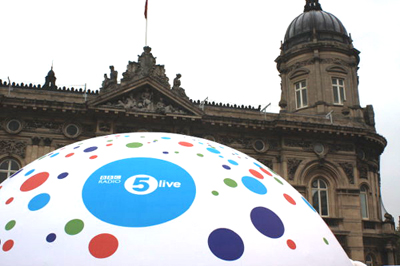
A couple of weekends ago, Radio 5 Live spent three days broadcasting in Hull (from an inflatable igloo!) and were visited by 45,000 people. 5-Live-igloo.jpg

Meanwhile, along the M62 in Liverpool, BBC Children's hosted a weekend based around the hugely successful Sarah Jane Adventures featuring exclusive screenings and the chance to meet stars and to film your own version of the opening sequence. Some of the 8,000 kids and parents who came along had travelled all the way from Southampton and Edinburgh. No news yet on whether any time travellers attended.

When you add into this the huge amount of 'routine' outreach work that the BBC undertakes in the North of England all year round, you realise we have quite a story to tell. Today, for instance, a community theatre project kicks off in Whitehaven, Cumbria, in aid of Children in Need, while our ongoing work from Breathing Places to BBC Blast continues to go from strength to strength. Add the bigger events, like Sports Personality of the Year in Sheffield in December - the sports world's equivalent of Strictly - and a pattern begins to emerge: a plan for how we start to build a BBC that is more effective at innovating with, inspiring and surprising our audiences every which way we can.

As the Director of BBC North, I see the big adventure we are undertaking to relocate major departments including Sport, Children's and 5 Live to Salford in 2011 as just the start of this. If we want to be effective from Liverpool to Newcastle, Crewe to Carlisle, then we have to do so much more. Working outside our comfort zones will become the norm.

Northern audiences may be pleased, but our ambition is greater than just moving great services to the North. We want to build on these foundations so that it can become a hotbed for more drama, comedy and, of course, Saturday night entertainment.

We have to get on our bikes and more often take our content to where licence fee payers least expect to see it. John Godber, writer and founding father of Hull Truck Theatre, told me: "It should be like throwing a rock in a pool. The ripples have to go out from Salford and touch all the communities of the North."

That's quite a challenge. But, then again, we have sown a few seeds in the last few weeks - from Blackpool to Merseyside. Now we have to capitalise on the genuine excitement the audience feels when we bring our content closer to their neighbourhoods.

Roadshows and marketing events are not the only answer. The willingness to live, work and entertain a bit closer to where audiences live is core to our mission. Certainly we have to try harder in northern England, where approval for the BBC has always been several points behind the UK average.

But by planting our feet in the North we are rewiring the BBC, from content collaboration to careers. After all, 50 per cent of all our content will be produced outside London by 2016.

An 81-year-old lady who queued from nine in the morning in the pouring rain to see Strictly Come Dancing in Blackpool and another with double false eyelashes and a feather boa dress are proof that, if we make the effort, the audiences will throw us a great big party.

Switching off and switching over

Blog comments are currently unavailable. Find out more.

Post categories:

Keith JonesKeith Jones|16:20 UK time, Friday, 6 November 2009

switchover.jpgThe switch-off of some analogue TV signals as part of the gradual switchover to digital TV came to parts of North West England this week. If you were affected you'll have been aware of all the publicity from Digital UK, who are masterminding the work for all broadcasters.

Because Digital UK are helping viewers to switch, we in the BBC were in close contact with them beforehand to anticipate possible issues and make sure anyone contacting us with difficulties was quickly and correctly referred to Digital UK for help.

The changes bring with them some inevitable and odd complications. One of the most common is ending up with the wrong regional service, especially if you live between different transmitters and have had to retune your equipment (if this has happened to you, help is available here). Digital UK is of course monitoring the switchover. It's a big change, so if you find you are affected, visit Digital UK's website where you can find comprehensive advice and help.

Remembrance

Blog comments are currently unavailable. Find out more.

Post categories:

Nick Vaughan-Barratt|16:20 UK time, Wednesday, 4 November 2009

poppy.jpgSaturday night's Festival of Remembrance is the start of a series of recorded and live programmes we're showing on the BBC to mark Remembrance this year.

These are events which strike a huge chord with our audiences and it always a privilege to be able to bring these moving and powerful events to our viewers and listeners each year.

The Festival is one of three major Remembrance events being shown on BBC One this year and these will sit alongside all of the other great content across the network in the coming week.

I have been involved in covering the BBC's Remembrance programmes since 2000 and everyone involved is always aware that we owe it to our audiences to make the television coverage as perfect and moving as it can be.

And, of course, that creates both challenges and opportunities for our production teams.

The Festival of Remembrance on Saturday night at the Royal Albert Hall is a complex production but one that it is crucial we get right because we know it's an event that is really valued by audiences. Last year, for example, we had over six million viewers watch the Festival.

The Festival itself is thoroughly planned and rehearsed, but (and there's always a but) the event itself takes place from about 7pm until 9.15pm and because there are parts which don't work as well for television - blackouts when bands change places for example - we traditionally 'tighten up' the show for broadcast. This means that editing is very last minute, and something that is very challenging when you are tight for time!

As we go on the air for a 95-minute show - a high-profile and important show at that - probably only the first 30 minutes is finished, then towards the end of the first 30 minutes the next 20 is finished and so on.

The important thing though is that we get the tone right and that at home it always looks effortless - something I'm really proud to say that the team does generally get right.


On Remembrance Sunday the ceremony from the Cenotaph, which takes place in Whitehall, is really an event with two distinct parts.

It begins with a very precise and perfectly staged open-air religious service with military music and the laying of wreaths by members of the Royal family, political and military leaders and diplomatic representatives, and ends with a march past of thousands of veterans.

Our team have a busy job when this happens because none of this is rehearsed and so the producers and directors covering the event have to plan with an almost clairvoyant instinct for where people will stand, the timing of various other elements and what would be particularly poignant or newsworthy this year. There might be a member of the Royal family that hasn't been present before, a regiment celebrating a particular anniversary, or a child or war widow representing a member of the family who died in action.

Spotting these stories, to ensure that we cover them properly and accurately amidst this huge unfolding live event, is crucial. The director has about fifteen cameras to cover the event, which sounds like a lot but actually however many you've got is never enough, and of course the more you've got the more choices you're confronted with.

The Remembrance Sunday ceremony from the Cenotaph, televised by the BBC each year since 1946, is actually one of the longest running live televised annual events in the world, and we are acutely aware that, as the national broadcaster, every year we are in the unique position of being able to bring such events to audiences - and with that comes our responsibility to audiences to always want to do it well.

While covering these live events might be challenging, I know I can speak for all of the teams in saying that we feel privileged to bring these unique moments to the nation and proud to carry on the BBC tradition of covering such events and recognising the amazing bravery and sacrifice of our armed forces.

(Nick Vaughan-Barratt is Head of Events at BBC Production)

The BBC and digital inclusion and participation

Post categories:

Seetha KumarSeetha Kumar|14:34 UK time, Tuesday, 3 November 2009

I am the Controller of BBC Online, but earlier this year I also took on the role of the BBC's Online Access Champion and it's in this capacity that I want to talk about the importance of digital inclusion and participation.

I believe passionately in the principles of public service: the Reithian tradition of inform, educate and entertain is as true today as it was over 80 years ago. In the world of the internet and e-skills, the skills for life we all need are the abilities to understand, participate and influence the world around us. But how do we enable this when there are large sections of society who - due to a lack of skills and other barriers - are still offline and consequently not experiencing or even being able to access the diverse benefits of the internet?

Recent audience research specially commissioned by the BBC shows the scale of the challenge of getting people online: 13.8 million UK adults do not have the internet at home and, of this number, 10.6 million do not use the internet anywhere else either.

In other words, more than a fifth of all adults in the UK are completely excluded from the internet and from being part of the daily dialogue that happens, be it locally, nationally or globally. This is a very significant segment of society which risks getting left behind as the web becomes more and more embedded in our daily lives.

The BBC has a pivotal role to play for the public good. So, how can we better use our offer of world-class news, shows created specifically for the web - such as the recently announced Eastenders: E20 - and the multi award-winning BBC iPlayer to help close the digital exclusion gap?

Firstly: during Get Online day last month we made use of our wide range of outlets to reflect the message about the benefits of getting online, with coverage about the day appearing on the BBC homepage, the BBC iPlayer and across our regional websites, on TV in items on BBC Breakfast and Working Lunch, and on Jeremy Vine's Radio 2 show.

We have also recently launched a Media Literacy website - which brings together our offer in a cohesive way in order to help people equip themselves for the digital age.

This is a long-standing tradition with the BBC and is core to our public service ethos. Over the last thirty years, there are many examples of encouraging UK citizens to develop their media skills: the development of BBC Micro in the 80s; the 'Computers Don't Bite' campaign in the 90s, and 'WebWise' - a guide to using the internet - at the start of the new millennium.

The BBC was one of the first media organisations in the world to have a website - BBC Online will be 12 years old next month - and when it was approved, there was a clear understanding from the Department for Culture, Media & Sport that education was to be one of its key purposes.

We have played host to several initiatives over the years, and increasingly our formal learning content - for adults as well as children - has migrated online and includes: Raw; My Story; BBC languages; Skillswise and Ouch!.

While TV and radio retains its motivational power, it is online that is ideally suited to the interactive process that is learning. Moving forwards, working in partnership, there are big opportunities to play a useful role in alleviating social exclusion through not being online.

While I would never underestimate the scale of the challenge, by using our ability to inspire and motivate through telling stories, and by capitalising on our reach across radio, television and online, the BBC is well positioned to play its part in encouraging people to get online and benefit from all that the web has to offer.

(This post is an edited extract from a speech given yesterday at the Skills for Life Conference. To read the full speech visit the BBC Press Office site. To comment on this post please visit the BBC Internet blog.)

Executive pay - explaining the figures

Blog comments are currently unavailable. Find out more.

Post categories:

Lucy AdamsLucy Adams|12:43 UK time, Tuesday, 3 November 2009

Not surprisingly, the BBC Trust's announcement last week that they had agreed to the DG's proposals to cut the total pay bill of senior managers at the BBC by 25% attracted quite a bit of comment. I was particularly interested to read David Elstein's blog yesterday in which he argued that "the sums don't add up" - I'm happy to respond to his challenge and explain how they do.

First of all, who are we talking about here? It is the nine Executive Board directors and 634 senior managers who are employed in the BBC's public service operations, and so whose salaries are paid for out of the licence fee. The supposed "missing" managers Elstein refers to are those who are not funded by the licence fee at all, but whose costs are met entirely by the BBC's commercial operations - not just BBC Worldwide, but also at BBC Studios and Post Production.

Next, how will cutting 114 jobs from this total save £20m? The answer is that it won't. Cutting the total number of senior managers was only one part of our proposal. The £20m being saved is from the BBC's total senior managers' pay bill, not managers' basic salaries alone. Alongside the reduction in the total number of managers - a large proportion of which will of course be achieved through natural churn, retirements and the conclusion of major projects such as managing the transition to Salford - we are also freezing bonuses for between two and four years at least, depending on grade. Where we do recruit replacements for senior managers who leave, which will only be after a stringent review of the post, it will be at a substantially lower salary as we reflect the realities of the current economic climate.

David Elstein concludes that "no one currently employed takes a cut at all". In fact, senior managers will earn 11-14.5% less in real terms by August 2013 than they did last year. Last week's report showed the BBC is already paying between 25% and 65% less than our commercial equivalents. In future we anticipate this could be up to 80% less.

We believe this is an achievable way of delivering greater value for money for the licence fee payer - whilst still providing the type of outstanding public service broadcasting the BBC is renowned for across the world.

(Lucy Adams is Director of BBC People. This post is a transcript of a response sent to today's Guardian)

BBC iPlayer Standard Products on TV Platforms

Post categories:

Chris JonesChris Jones|12:27 UK time, Tuesday, 3 November 2009

iplayer.jpgRahul Chakkara - Controller, TV Platforms at BBC FM&T - has posted a piece on the success of the BBC iPlayer on TV platforms as well as outlining the products that are currently available. To read Rahul's post, and to comment on it, go to the BBC Internet blog.

Democracy Live

Blog comments are currently unavailable. Find out more.

Post categories:

Mark Coyle|13:22 UK time, Monday, 2 November 2009

dl_screenshot.jpgIf you're a user of Twitter, you may have spotted the quiet arrival of the BBC's new website called Democracy Live at the end of last week.

The site is officially launched today, but for technical reasons we lifted the barriers to the outside world on Thursday evening. Although we didn't announce its availability, such is the power of social media that people were quick to find us and start tweeting about the site.

Total Politics even reviewed Democracy Live on Friday and concluded by saying: "It brings a decidedly 21st-century edge to watching parliamentary discussion."

"DL", as it's become known in the BBC, is the result of about 18 months of development work.

It brings together, for the first time in the BBC, live and on-demand video coverage of proceedings in our national political institutions and the European Parliament. Democracy Live builds on previously available content in the form of video streams, guides and biographies.

But the real magic lies in the site's search function, which is unlike anything the BBC has done before.

By its very nature, the business of politics can be lengthy. Can you/would you watch an entire six-hour long debate from the House of Commons? Possibly. But you'd need to be a battle-hardened political observer or someone with a very keen interest in the subject to do so.

Democracy Live gives you the ability to search for a specific word or words spoken in the proceedings and the results will give you links to the points in the video where they were spoken. The ability to home in on the passages which are of direct interest and relevance to you is at the heart of Democracy Live's purpose.

Our search is powered by a speech-to-text system built by two companies called Blinkx and Autonomy which create transcriptions of the words spoken in the video.

Generally speaking, the industry standard for accuracy in speech-to-text systems is reckoned to be about 80%. In Democracy Live tests, we've seen slightly higher than that. We've taken account of different accents across the UK but the system might still be a bit confused by some words. Have a look at the explanation of how the site works for more about search and other questions you may have.

One aspect we're particularly proud of is that we've managed to deliver good results for speech-to-text in Welsh, which, we're told, is unique.

Blogs and websites have become as much a part of political reporting as traditional print and media outlets and that's why we're making as much of our video as possible available for embedding elsewhere.

At launch, you can take content from all the institutions with the exception of the House of Commons and the House of Lords (discussions continue with the authorities at Westminster). However, you can't edit our video for embedding. What you see is what you get.

You can also "Follow" a representative. Choose a biography - these come to us from the parliamentary experts Dods - either by searching for it or getting there from the 'Your representatives' section and click on the button in the top right. The 'Follow' function will appear on the site shortly.

Another innovation is the video wall on the home page. You'll be able to spot quickly when proceedings are live, and when they're not you can click through to an earlier item of business.

Elsewhere on Democracy Live, you'll find guides to each institution and a guide to who makes decisions in the UK's devolved system of government.

Politics and political debate are part of our everyday lives and events of the last few months have seen a renewed interest - for positive and negative reasons - in what goes on in our political institutions.

We hope that Democracy Live proves a useful addition to how people access and understand these processes. Let us know what you think by email at [email protected]. You can also follow us on Twitter at bbcdemlive.

A day in the life of the Head of BBC HD

Post categories:

Chris JonesChris Jones|12:23 UK time, Monday, 2 November 2009

daniellenagler_profile.jpgOver at the BBC Internet blog, Danielle Nagler has posted a fascinating piece which not only gives an insight into the daily tasks facing the Head of BBC HD, but also attempts to give a flavour of the range of current issues for the BBC and HD. These include: picture quality; HD programmes and schedule; navigation, Freeview HD and BBC HD Strategy. For the full post head over to the BBC Internet blog.

About this blog

Senior staff and experts from across the organisation use this blog to talk about what's happening inside the BBC. We also highlight and link to some of the debates happening on other blogs and online spaces inside and outside the corporation.

Here are some tips for taking part.

This blog is edited by Jon Jacob.

Subscribe to this blog

You can stay up to date with About the BBC via these feeds.

If you aren't sure what RSS is you'll find our beginner's guide to RSS useful.

[an error occurred while processing this directive]

Follow this blog

Other BBC blogs

More from this blog...

Categories

These are some of the popular topics this blog covers.