
This much we know... about you: BBC audience research
Post categories: Audience research, Audiences
 |14:14 UK time, Tuesday, 24 November 2009
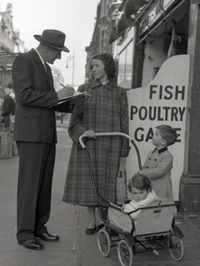 The audience have a lot to say to the BBC. And we want to hear it. Not only do some of you contact us with your feedback on our programmes and services, but we also carry out extensive research with many people across the UK every year.
When it comes to economy worries, for example, our research has shown that men are more drawn to stories on interest rates and inflation than women. While women are more attracted to practical stories, for example reading tips on saving money, than men.
But why do we care? Because understanding what's important to our audience helps us make better programmes. While nearly eight out of ten of you feel the BBC News coverage of the recession has helped your understanding of the economy, you also told us that there were economic terms we used that weren't part of your vocabulary. So, for example, only one in ten of you said you would feel confident explaining complicated money terms, like 'GDP', to a friend. That's why BBC News expanded its online glossary and now presenters take more time to describe phrases - such as 'GDP' or 'quantitative easing'.
Research also brought to our attention a really active and involved section of the younger audience eager for more engagement with news. As a result we're piloting short, snappy and creative economy news bulletins called Biz Bites.
The economy story is unique in affecting every audience member. But some audience groups are harder to speak to than others. Not everyone wants to answer a survey question or attend a focus group. That's why we set up a cutting-edge research website for young people to talk about issues that matter to them. We ask them their opinions on, say, money or alcohol, and they blog, comment and post pictures on what it means to them. It's like a social networking site for research. Some comments even spark off ideas for BBC Three programmes.
As Director of Audiences, this is the kind of research my team and I deal with every day. I lead a team of researchers who provide the BBC with a wide range of information - from how many people watched Waterloo Road last week to how disabled people are represented in our programming. We mainly get these facts and figures from surveys - on the telephone, face to face and online - and through focus groups. Most participants don't even know they're answering questions for the BBC to prevent bias in responses.
On a daily basis we collect comments from 5,000 listeners and viewers to find out what people are saying about programmes, how much they like them, and whether they think they were good quality and original.
Our research allows us to have a dialogue with the audience that we wouldn't have otherwise. That's why we're all ears.

Comments Post your comment