What is inclusion?
Inclusion is about ensuring that everyone is included in all aspects of society, regardless of skin colour, gender, ethnic origin, disability, political opinion, sexual orientation or religion.
It is about treating people fairly and making sure that everyone receives their basic human rights.
How can inclusion be promoted in schools?
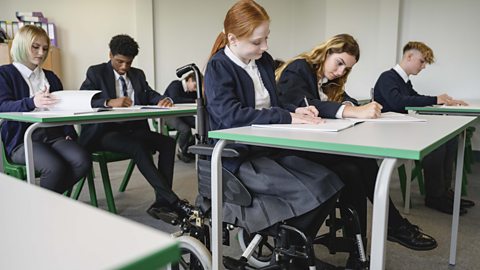
The best place to start creating tolerance and respect in the community is with children, who should grow up being respectful of others, no matter who they are.
In Northern Ireland, schools work hard to ensure their environments are welcoming to children from different backgrounds. Here are some of the things they do to achieve this:
- adapt facilities for those with physical disabilities
- provide extra support for pupils with special educational needs
- have a strong inclusion policy which outlines how the school promotes inclusivity
- implement anti-bullying policies
- work with the Traveller community
- set up cross-community projects to ensure pupils mix with those from other schools
- celebrate different cultures by holding school events that showcase different religions, festivals, languages and food (eg Chinese New Year)
- most pupils have classes relating to the Learning for Life and Work curriculum and religious education
- take part in school assemblies to promote inclusion and understanding
How does the local community promote inclusion?
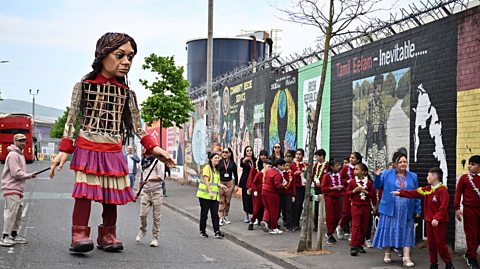
There are a variety of community groups who work to bring people together and support peace.
- Local councils ensure there are a variety of festivals that cater to different cultures such as St Patrick’s Day, the Twelfth of July, Chinese New Year and the Hindu festival, Mela.
- Community groups offer support to victims of sectarianism, racism, stereotyping or prejudice.
- They provide commentary to the media on community relations at a local level to increase awareness of particular issues.
- Community groups also provide support and services to migrants and asylum seekers, offering them advice about housing, benefits, finances, health and education, as well as helping them socialise and celebrate their own culture.
- Many community initiatives have been set up to help the unemployed, homeless people, individuals with learning disabilities, those with mental health issues, as well as prisoners and ex-offenders — providing support and help with social inclusion.
- Cross-community groups work specifically to promote harmony between Catholics and Protestants. They arrange events and workshops so that people from different religious backgrounds can interact with each other. They also provide neutral ground to hold discussions. This provides an opportunity for each side to better understand the other and increases the chances of reaching compromise.
How can inclusion be promoted in the workplace?

To promote inclusion within the workplace, organisations and companies can implement different strategies.
Fair employment legislation – It is against the law to discriminate against someone on the grounds of race, religion, gender, sexuality or disability in the recruitment or promotion of staff. Fair employment legislation ensures that inclusion is promoted and protected when choosing staff.
Equal pay – People should be paid equally for carrying out the same or similar work, this ensures that staff feel valued and are treated the same regardless of gender or any other factors that can come into play in this situation.
Equal opportunities legislation – Protects the rights of the employee and ensures inclusion in the workplace.
How can the government help promote inclusion?

Governments can provide opportunities for people from opposing groups to engage in shared activities in order to build trust and foster good relationships.
The law has a big part to play in ensuring everyone lives and works together and gets a fair deal.
There are judicial systems in place in both the UK and Ireland, which means people who mistreat others based on their cultural identity are prosecuted.
The judicial systems in the UK and Ireland have a responsibility to prosecute those who mistreat others based on their cultural identity.
There are laws against discrimination in the workplace. Everyone must be treated fairly under these laws, enjoy equal opportunities, and receive equal pay for the same work regardless of gender, race or religion.
How does Section 75 of the NI Act help promote inclusion?
Section 75 of the Northern Ireland Act 1998 helps promote inclusion by:
Promoting fairness and making sure public bodies treat everyone fairly, no matter their age, race, religion, gender, disability or background.
Supporting equality by requiring public services such as schools, councils and hospitals consider how their decisions affect different groups in society and promote equal opportunities for everybody.
Encouraging good relations and helping build better relationships between people from different communities within Northern Ireland.
Offering legal protection by allowing people to legally challenge organisations if they feel they've been unfairly treated by a public body.
How is inclusion promoted globally?

The United Nations’ Universal Declaration of Human Rights aims to ensure that everyone enjoys the same rights, no matter where they were born or live.
When it comes to international conflicts, the UN can play a key role in ensuring victims of persecution and violence are treated fairly. The UN can send in peace-keeping forces to areas of conflict.
Some governments use sanctions or boycotts as a way to try and stop conflict in other countries. For example, a government may choose not to trade with a country where there is conflict, this would mean refusing to work with them, buy their produce or sell them arms.
More on Cultural identity, diversity and inclusion
Find out more by working through a topic
- count1 of 6
- count2 of 6
- count3 of 6