What is discrimination?
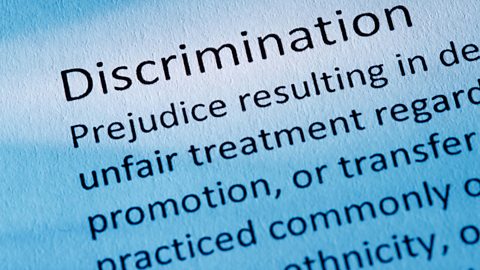
Discrimination is an action that denies a person their rights because of their cultural identity.
A common example is when a person who is otherwise qualified for a job is not employed because of their religion or race.
There are many ways that discrimination can affect a young person from a minority group. They may:
- feel that others dislike them, or are against them — this can make them feel excluded, isolated and lonely
- find it difficult to make friends, as other young people may try to exclude them from their groups
- find it difficult to find employment and support themselves financially
- find it hard to get accommodation or housing in an area that they like
What are the causes of discrimination?
All different types of people can be subjected to discrimination. Here are some of the most common instances in today's society.
| Age | A person's age can cause them to face discrimination. Society tends to associate age discrimination with older people and teenagers. However, people can be the victim of age discrimination at any age. For example, if a 25 year old worker is told by their boss that they are too young to be seriously considered for promotion, then this is considered discrimination. |
| Disability | Some people face discrimination because they are disabled. This can be an issue for both physical and mental disabilities. All public buildings and businesses in Northern Ireland must be accessible for people who live with a disability, for example they should provide ramps and lifts. |
| Gender | Women, men and transgender people can all experience discrimination and can be treated poorly because of their gender. For example, women that face discrimination because of their gender, may be paid less than men for doing the same or similar work. |
| Political beliefs | Some people are discriminated against because they have different political views. In the past, this has been a serious problem in Northern Ireland. |
| Race | Some people face discrimination because they are from a different race or ethnic minority. A report published in Northern Ireland in 2022 concluded that 'employment experiences in Belfast vary significantly by ethnic and national group.' Many of those interviewed, from a different race or ethnic minority, said they found it difficult to get promotions in work and were in jobs well below their qualifications. |
| Religious beliefs | Some people are discriminated against because they follow a different religion. In Northern Ireland for many years this discrimination was predominantly based on being Catholic or Protestant, but in recent years immigration has meant that people of other faiths are subject to religious discrimination. For example a company owned by a person of a particular religion may not give jobs to people from a different religion. |
| Sexual orientation | Some people face discrimination because of their sexuality – heterosexual/homosexual/bisexual. This may take the form of refusing someone employment, housing or access to services because of their sexuality. |
More on Cultural identity, diversity and inclusion
Find out more by working through a topic
- count3 of 6
- count4 of 6
- count5 of 6