Responses to Spanish influenza
After Louis Pasteur published his Louis Pasteur published this theory in 1861 to prove that bacteria caused disease. The theory was widely accepted by the 1880s. in 1861, scientists and doctors began work on a range of A substance that stimulates the body to produce antibodies to provide immunity against a disease. to protect people against diseases. Despite this, in 1918, while World War One was still being fought, there was an outbreak of a deadly disease that killed thousands of people in Britain. This was known as Spanish influenza.
Spread and impact
Nobody is certain about the origins of Spanish influenza (usually called Spanish flu). The first confirmed cases were in the United States in March 1918. However, some people believe it started in China and was carried to the trenches in Europe by labourers who were working in French army camps. In any case, it soon spread to almost every nation in the world.
The virus came in waves. The second wave was the most deadly and it struck Britain between October and December 1918. It spread at an alarming rate as soldiers returned home from the trenches of World War One and as crowds celebrated the armistice in November. It died down but a third wave hit the country between February and May 1919.
Altogether, around 25 per cent of the British population caught the flu and 228,000 of those people died. Globally, the virus is believed to have killed at least 50 million people.
Symptoms
The Spanish flu was unusual in the sense that fit, younger people, between ages 20 and 40, were worst affected. The symptoms were initially the same as those of other types of flu:
- high temperature
- chills
- headaches
- pains
However, the virus often attacked the immune system and caused victims to develop a bacterial A deadly disease that affects the respiratory system. This caused skin to turn red, blue and black. Victims bled from the nose, mouth and ears. People often died within just hours of their first symptoms. It was very frightening.
Responses
National responses
This was an An infectious disease which spreads rapidly to a large number of people in a short period of time. on a scale not previously seen in the modern era. It hit at a time when huge numbers of medical staff were still away at war.
The government issued a public information film that advised people to:
- stay at home and avoid public transport and crowds if they had symptoms
- ventilate rooms allowing air to enter and circulate freely
- keep fit
- use handkerchiefs when coughing or sneezing
- keep places of work clean
- wear face masks if it was necessary to be near flu patients
The film was designed to shock people so that they paid attention to the dangers and took preventative measures. To achieve this, it showed the number of deaths. However, the film was not distributed until late in the second wave, and there were insufficient copies.
There was no nationwide or coordinated An official order to control the movement of people because of a dangerous situation. across the country and local authorities were mostly left to organise themselves. Nevertheless, the epidemic did, in part, lead to the Ministry of Health being set up in 1919. This was a national organisation dedicated solely to developing health policy.
Local responses
The effectiveness of local responses to the Spanish flu varied a great deal:
- The medical officer in Manchester, Dr James Niven, was very thorough and worked tirelessly to limit the flu’s spread. For example, he published advice about hygiene and organised the closure of businesses and schools. The death rate was lower in Manchester than in other cities, such as Glasgow and London.
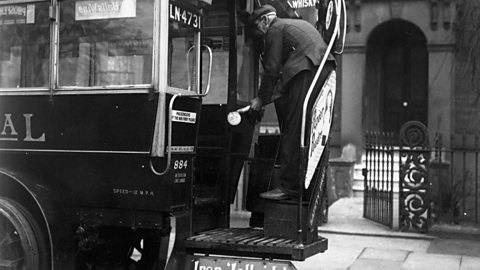
- Many towns and cities shut schools, theatres, cinemas and dance halls. Some also disinfected public transport daily.
- However, factories kept going, pubs mostly stayed open and Armistice Day celebrations went ahead.
- The press wasn’t always helpful. The News of the World told its readers to “eat plenty of porridge”. The Manchester Guardian mocked some of the suggested measures: “Women are not going to wear ugly masks.”
- Several ‘quack’ remedies appeared on the market, such as Dr Williams’ Pink Pills for Pale People. These were medical treatments not based on science or evidence.
