Living conditions - air and inactivity
Often it is assumed that the 20th and early 21st centuries have been a story of constant progress. However, issues with air quality and inactive lifestyles show that even improved living conditions can present new or renewed problems for health.
Air quality
The impact of coal
The burning of coal was a big problem in mid-20th-century Britain. Most people burned coal on their fires to heat their homes. Factories and power stations still relied on coal too. In cities such as Glasgow, London and Manchester, the air was polluted by the smoke.
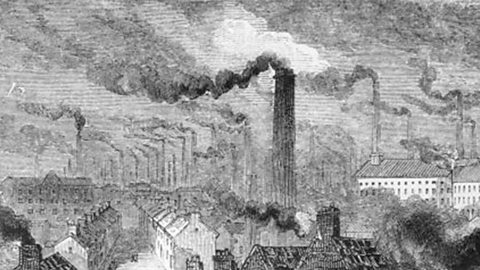
Sometimes the weather trapped the smoke under fog and it would settle at a low level. This was known as A type of pollution that is a mixture of smoke and fog. The sulphur in the air caused health problems including Disease affecting the lungs and/or other parts of the respiratory system. such as bronchitis, pneumonia and asthma. In December 1952, smog settled across London for over a week in what became known as the ‘Great Smog’. This led to the deaths of around 12,000 people in the city.
In 1956 the government passed the Clean Air Act. This act created ‘smokeless’ zones where factories and homes were only allowed to burn ‘smokeless’ fuel. This, plus new oil, gas and electric heating systems, meant that smog was far less of a problem by the 1980s.
The impact of cars
However, coal pollution was quickly replaced by pollution from cars. Car ownership increased by 25 per cent between 1980 and 1990, leading to more health problems caused by exhaust fumes.
Inactivity
The impact of wealth
Dropping levels of exercise became a problem quite early in the century as much of Britain’s population became wealthier. By around 1930, this had led to people being less healthy because:
- more people travelled by train, tram and car rather than on foot
- they spent more money on sugary and fatty foods
- labour-saving devices for the home (such as washing machines and vacuum cleaners) were becoming more affordable
The impact of war
During World War Two, the nation became more active again as:
- people worked longer hours
- food was The limited supply of food and materials during the War, shared equally among everyone. so people worked in their gardens and allotments, growing vegetables
- petrol was also rationed so people walked more
The impact of technology
New technology has continued to affect people’s levels of activity:
- People use devices such as televisions, game consoles and tablets for entertainment. Some people's lifestyles are more sedentary than they used to be - they expend less energy.
- Housework is less physical as most people now have washing machines, vacuum cleaners and power tools.
- More jobs are carried out by sitting at desks in front of screens. Fewer jobs involve manual labour.
In 2024, the NHS reported that the majority of adults in England were overweight or obese; 70% of men and 62% of women.
