Summing up the cases
Here's a reminder of how the articles change in the different cases.
Definite article
| Nom. | Acc. | Gen. | Dat. | |
| Masculine | der | den | des | dem |
| Feminine | die | die | der | der |
| Neuter | das | das | des | dem |
| Plural | die | die | der | den |
| Masculine | |
|---|---|
| Nom. | der |
| Acc. | den |
| Gen. | des |
| Dat. | dem |
| Feminine | |
|---|---|
| Nom. | die |
| Acc. | die |
| Gen. | der |
| Dat. | der |
| Neuter | |
|---|---|
| Nom. | das |
| Acc. | das |
| Gen. | des |
| Dat. | dem |
| Plural | |
|---|---|
| Nom. | die |
| Acc. | die |
| Gen. | der |
| Dat. | den |
Indefinite article
| Nom. | Acc. | Gen. | Dat. | |
| Masculine | ein | einen | eines | einem |
| Feminine | eine | eine | einer | einer |
| Neuter | ein | ein | eines | einem |
| Plural | keine | keine | keiner | keinen |
| Masculine | |
|---|---|
| Nom. | ein |
| Acc. | einen |
| Gen. | eines |
| Dat. | einem |
| Feminine | |
|---|---|
| Nom. | eine |
| Acc. | eine |
| Gen. | einer |
| Dat. | einer |
| Neuter | |
|---|---|
| Nom. | ein |
| Acc. | ein |
| Gen. | eines |
| Dat. | einem |
| Plural | |
|---|---|
| Nom. | keine |
| Acc. | keine |
| Gen. | keiner |
| Dat. | keinen |
Possessive pronouns like mein, dein, sein, ihr, unser, euer, ihr and also alle, beide are To list the different forms of a noun, adjective or verb. in the same way as (follow the same pattern as) the indefinite article.
Hilfsvokabeln– Helpful vocabulary
- das Heilmittel (nt) – cure
- der Kühlschrank (m) – fridge
- die Sache (f) – thing
- der Wissenschaftler (m) – scientist
- entdecken (v) – to discover
- retten (v) – to save
Question
Fill in the missing words in the sentences below and identify the cases in each sentence to work out how the word changes. As an added challenge, translate the completed sentences.
- Anna hatte _____ Film schon gesehen.
- Sie hat _____ Tabletten genommen, als sie krank war. (use alle)
- Ich habe die Kontaktlinsen __________ Mutter in der Küche gefunden. (use mein)
- Er lernte _____ Beruf _____ Schneider_ in Österreich.
- Die Tablette hat _____ Mann geholfen, sich besser zu fühlen.
- Sie hat _____ Schwester schöne Sachen zum Geburtstag geschenkt. (use dein)
- Die Tür _____ Kühlschrank _ war kaputt.
- Wissenschaftler würden gerne _____ Heilmittel für Malaria entdecken.
| German | Case | Meaning |
| Anna hatte den Film schon gesehen. | NOMINATIVE: Anna | Anna had already seen the film. |
| ACCUSATIVE: den Film | ||
| Sie hat alle Tabletten genommen, als sie krank war. | NOMINATIVE: sie | She took all the tablets when she was ill. |
| ACCUSATIVE: die Tabletten | ||
| Ich habe die Kontaktlinsen meiner Mutter in der Küche gefunden. | NOMINATIVE: ich | I found my Mum’s contact lenses in the kitchen. |
| ACCUSATIVE: die Kontaktlinsen | ||
| GENITIVE: meiner Mutter | ||
| Er lernte den Beruf des Schneiders in Österreich. | NOMINATIVE: er | He learned the job of tailor in Austria. |
| ACCUSATIVE: den Beruf | ||
| GENITIVE: des Schneiders | ||
| Die Tablette hat dem Mann geholfen, sich besser zu fühlen. | NOMINATIVE: die Tablette | The tablet helped the man to feel better |
| DATIVE: dem Mann | ||
| Sie hat deiner Schwester schöne Sachen zum Geburtstag geschenkt. | NOMINATIVE: sie | She gave your sister nice things for her birthday. |
| DATIVE: meiner Schwester | ||
| ACCUSATIVE: schöne Sachen | ||
| Die Tür des Kühlschrankes war kaputt. | NOMINATIVE: die Tür | The door of the fridge was broken. |
| GENITIVE: des Kühlschrankes | ||
| Wissenschaftler würden gerne ein Heilmittel für Malaria entdecken | NOMINATIVE: Wissenschaftler | Scientists would like to discover a cure for malaria. |
| ACCUSATIVE: ein Heilmittel | ||
| ACCUSATIVE: für Malaria |
| German | Anna hatte den Film schon gesehen. |
|---|---|
| Case | NOMINATIVE: Anna |
| Meaning | Anna had already seen the film. |
| German | |
|---|---|
| Case | ACCUSATIVE: den Film |
| Meaning |
| German | Sie hat alle Tabletten genommen, als sie krank war. |
|---|---|
| Case | NOMINATIVE: sie |
| Meaning | She took all the tablets when she was ill. |
| German | |
|---|---|
| Case | ACCUSATIVE: die Tabletten |
| Meaning |
| German | Ich habe die Kontaktlinsen meiner Mutter in der Küche gefunden. |
|---|---|
| Case | NOMINATIVE: ich |
| Meaning | I found my Mum’s contact lenses in the kitchen. |
| German | |
|---|---|
| Case | ACCUSATIVE: die Kontaktlinsen |
| Meaning |
| German | |
|---|---|
| Case | GENITIVE: meiner Mutter |
| Meaning |
| German | Er lernte den Beruf des Schneiders in Österreich. |
|---|---|
| Case | NOMINATIVE: er |
| Meaning | He learned the job of tailor in Austria. |
| German | |
|---|---|
| Case | ACCUSATIVE: den Beruf |
| Meaning |
| German | |
|---|---|
| Case | GENITIVE: des Schneiders |
| Meaning |
| German | Die Tablette hat dem Mann geholfen, sich besser zu fühlen. |
|---|---|
| Case | NOMINATIVE: die Tablette |
| Meaning | The tablet helped the man to feel better |
| German | |
|---|---|
| Case | DATIVE: dem Mann |
| Meaning |
| German | Sie hat deiner Schwester schöne Sachen zum Geburtstag geschenkt. |
|---|---|
| Case | NOMINATIVE: sie |
| Meaning | She gave your sister nice things for her birthday. |
| German | |
|---|---|
| Case | DATIVE: meiner Schwester |
| Meaning |
| German | |
|---|---|
| Case | ACCUSATIVE: schöne Sachen |
| Meaning |
| German | Die Tür des Kühlschrankes war kaputt. |
|---|---|
| Case | NOMINATIVE: die Tür |
| Meaning | The door of the fridge was broken. |
| German | |
|---|---|
| Case | GENITIVE: des Kühlschrankes |
| Meaning |
| German | Wissenschaftler würden gerne ein Heilmittel für Malaria entdecken |
|---|---|
| Case | NOMINATIVE: Wissenschaftler |
| Meaning | Scientists would like to discover a cure for malaria. |
| German | |
|---|---|
| Case | ACCUSATIVE: ein Heilmittel |
| Meaning |
| German | |
|---|---|
| Case | ACCUSATIVE: für Malaria |
| Meaning |
Did you know?
Germans have invented a whole range of everyday objects that we often take for granted.
In 1886 Karl Benz and Gottlieb Daimler developed the first motorised vehicles - the verdict then was that they were, "zu laut, zu schnell, zu gefährlich” – too loud, too fast, too dangerous. Nearly a century later, Mercedes-Benz were one of the first firms to install airbags which are now a standard safety feature on all cars – Sicherheitsmaßnahme.
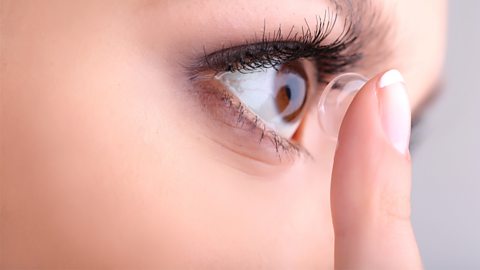
In the medical field, Aspirin was patented by the German company Bayer, and Adolf Eugen Fick developed the first contact lenses – Kontaktlinsen. X-rays were invented by Wilhelm Konrad von Röntgen, which is why the German verb to X-ray something is röntgen.
In 1969, Jürgen Dethloff und Helmut Gröttrup created the chip card or smart card used in credit cards for ID and data storage. It's hard to imagine life without these great inventions.