What barriers affect consumers?
Access
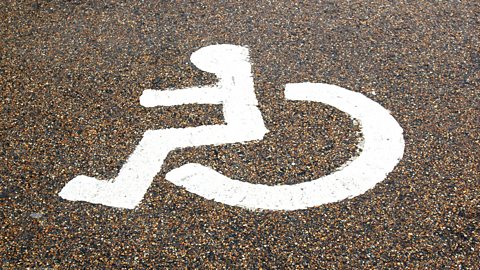
Physical barriers - such as mobility issues, sight/hearing problems or learning difficulties - may prevent consumers accessing goods and services. This makes being an effective consumer much more challenging.
Examples:
- a consumer in a wheelchair may find it difficult to reach items from shelves
- a consumer who has problems with their sight may struggle to read information on packaging/labels
Age

Younger consumers may be less well informed about their rights and are less likely to take further action if they are unhappy about goods or services.
Older consumers may face challenges with physical access to food. Transport may be a problem if shops are not located near to them.
Their mobility and dexterity may also be limited.
If their income is low, they may also have problems in relation to financial access - ie in covering the cost of food and transport.
Another factor to consider is access to information - ie product knowledge, cooking skills and understanding labels.
Example: A younger consumer may not know their rights and how to complain about an unsatisfactory product or service.
Did you know?
Levels of online shopping are lowest amongst older people aged 65 and over.
Only 10% of over 65s shop online at least once a month and 82% never shop online.
Source: Canny Consumers? Are consumers standing up for their rights? Consumer Council, 2012
