The hippie movement
Hippies and ‘dropping out’
In the 1960s, the gap between the traditional values of parents and the Ideas or beliefs that go against society’s norms. views of teenagers increased. For example, the A drug that helps women to control when and if they have children. allowed young people to have greater sexual freedom.
Some young people dropped out of normal society altogether. They were known as A member of the 1960s counterculture who rejected traditional American values. Hippies were often associated with sexual freedom and drug-taking.
- They developed an alternative lifestyle where they lived in communities.
- They frequently travelled from place to place together.
- They dressed differently from people in mainstream society.
- Many of them wore flowers in their hair to represent their support for peace in the world.
- They became known as flower children.
Many people who joined the hippie movement were originally from middle-class backgrounds. Their rejection of mainstream culture shocked others, because their wealthy backgrounds meant that they had a good education that would have allowed them to persue reputable careers. Their lives as hippies were very different from what their parents may have aspired to and experienced in the previous generation.
San Francisco was the spiritual home of the hippie movement, especially during the Summer of Love in 1967. The hippie movement was best represented by two places in San Francisco:
| Location | Importance to the hippie movement |
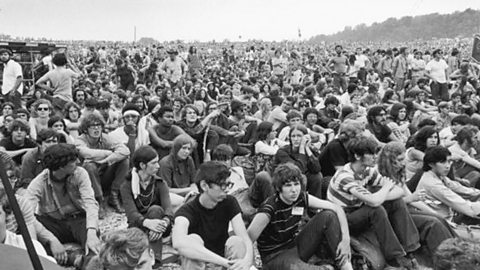
| Woodstock | A free music festival took place at Woodstock in 1969. An audience of nearly half a million people lived together outside for four days, looked after each other, listened to rock music and shared a desire for world peace. |
| Haight-Ashbury | By the mid-1960s, this district of San Francisco was the centre of the hippie movement. Tens of thousands of people came to the area for the Summer of Love. Some people occupied houses illegally and took illegal drugs in public. Protests against the Vietnam War were common, as well as visits from famous rock musicians. |
| Location | Woodstock |
|---|---|
| Importance to the hippie movement | A free music festival took place at Woodstock in 1969. An audience of nearly half a million people lived together outside for four days, looked after each other, listened to rock music and shared a desire for world peace. |
| Location | Haight-Ashbury |
|---|---|
| Importance to the hippie movement | By the mid-1960s, this district of San Francisco was the centre of the hippie movement. Tens of thousands of people came to the area for the Summer of Love. Some people occupied houses illegally and took illegal drugs in public. Protests against the Vietnam War were common, as well as visits from famous rock musicians. |
Negative reactions to hippies
Some people reacted negatively to hippies. For example:
- the police targeted them for their drug use
- politicians such as the then A person who is elected to lead a state’s government in the USA. of California, Ronald Reagan, criticised their rejection of American values
- others were angered by their refusal to work
More guides on this topic
- Anti-Communism c.1945-1954 - Cambridge OCR A
- African Americans c.1945-1954 - Cambridge OCR A
- Civil rights in the USA 1954-1964 - Cambridge OCR A
- Broadening of the campaigns for civil rights - Race - Cambridge OCR A
- Broadening of the campaigns for civil rights - Women's rights - OCR A
- Broadening of the campaigns for civil rights - Gay rights - OCR A
- Social problems and attempts to tackle them - Cambridge OCR A
