World Mental Health Day is celebrated each year on October 10, the theme for 2025 looks at how to cope when you feel overwhelmed by global events and bad news.
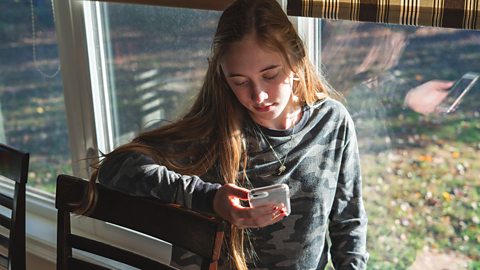
It can be hard to escape the endless news cycle and just switch off, even your social feed can be full of news stories. This 24/7 access to news and 'doomscrolling' can make you feel overwhelmed, which can cause anxiety and stress.
We spoke to Dr Roslyn Law and Dr Sheila Redfern, Consultant Clinical Psychologists at the Anna Freud Centre for their tips about what you can do if you are feeling overwhelmed with what is going on in the world right now.
1. Connect and find support
Talk to your parents or carers, and trusted friends, about how you are feeling. Stay connected with them. Share your anxieties and, if you know what support you want from them, tell them. Friends may want support from you too. It can help us to feel less alone when we realise that others we are close to have similar concerns to our own.
2. Find your own safe spaces
As well as finding the people you feel safest with, find the places too. That might be on your own in your bedroom, with family in your kitchen, or in the local park with friends. This is important because it helps to reset the balance and connect with feeling safe in your own day-to-day life.
3. Stick to your routines
As much as possible, maintain your normal routines around school or college, and doing your usual activities. Maintaining control over what you can is important when so much seems beyond your reach. Try not to avoid normal daily activity and routines because you’re feeling anxious, and if you need support to continue with these things, ask for it. When we reduce the amount we do, this can heighten the anxiety we are feeling and leave us feeling more isolated with our feelings – even if that wasn’t what we had intended.

4. Soothe yourself
Experiencing some anxiety when we’re faced with frightening situations is healthy and normal. Once we recognise the signal that something unusual is happening, it’s helpful to remind your body and mind that you are safe. Sports can help to use up extra energy, or it can be channelled into hobbies you enjoy, like listening to music and spending time with friends. Put together, these approaches can help you feel calmer and more in control.
5. Find hope
Try to stay hopeful and focused on solutions where they exist. If you are worried about what is going on in the world, then limit the amount of time you check the news and social media for updates. Doing it just once a day is a good guide. That way, you will still be aware of what’s happening (and less worried that the situation has changed significantly without you realising), but it’s also less likely to dominate your thoughts throughout the day. It can help you to find a balance.
If you feel that you are struggling right now, we hope that these practical tips will help you to address this and help you to manage your feelings.

If you need support
You should always tell someone about the things you’re worried about. You can tell a friend, parent, guardian, teacher, or another trusted adult. If you're struggling with your mental health, going to your GP can be a good place to start to find help. Your GP can let you know what support is available to you, suggest different types of treatment and offer regular check-ups to see how you’re doing.
If you’re in need of in-the-moment support you can contact Childline, where you can speak to a counsellor. Their lines are open 24 hours a day, 7 days a week.
There are more links to helpful organisations on the BBC Bitesize Action Line page for young people.
World of Wellbeing: What is toxic masculinity?
Wellbeing and education influencer Kit Brown and Dr T break down what toxic masculinity means, how it manifests and discuss toxic vs healthy masculinity.
What is body image and how does it affect mental health?
Wellbeing and education influencer Kit Brown and Dr T discuss body image, social media and the pressure teenagers feel to look a certain way.

World of Wellbeing: What is wellbeing and how to tell if yours is good or bad?
Wellbeing and education influencer Kit Brown asks Dr T what is wellbeing? They reflect on their own wellbeing struggles and learn practical tools to improve their wellbeing.