We all have our own daily routines in life. Having a good routine can often help you feel more productive and a little more in control of things. But if you've fallen into some bad habits during the school summer holidays, how can you get back into a routine that feels more structured?
We've got some tips for creating a good daily routine that you might actually stick to!

Tips for creating a good routine
1. Have a healthy wake up
During the school term you probably wake up at the same time every day during the week, and at the weekend, you might have a bit of a lie in, but in the school holidays it can be tempting to lie in every day! So here's a few things you can try to get you up and going in the morning:
- Keep your phone at a distance. Put your phone on the other side of the room so you have to get up to switch it off. You'll find that once you're out of bed, you're up for the day.
- Embrace aeroplane mode. Sleep with your phone on aeroplane mode and don't turn aeroplane mode off until you've done something productive.
- Resist the morning scroll. Try to do something other than scroll through social media first thing in the morning – like reading a book. There's a lot going on at the moment so reading the news can be a stressful way to start the day – you might be able to process it better later on in the day.
2. Build enjoyment into your routine
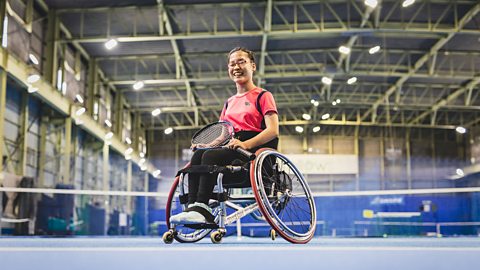
It's really important to set some time aside for something you enjoy – time where you can just forget about all the worries in the world.
With things you enjoy, making them part of your routine feels like less of a chore! You could build exercise into your daily routine – you should feel more energised afterward and more accomplished, like you've achieved something.
It's all about finding what works for you. If exercise isn't your thing then don't worry, just make time for something else you enjoy. It's good if it's something that you can come back to each day and build on, like writing a short story, or a craft.
3. Make a to–do list
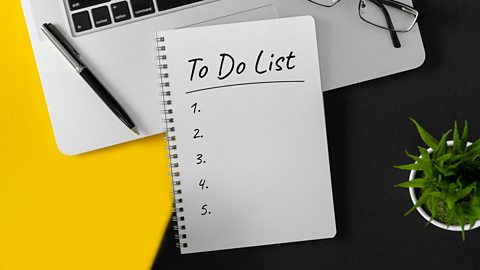
You might think that having a to–do list means only planning things that aren't as enjoyable like essays and chores, but it doesn't have to all be work. Try and schedule in some time to do something fun too. You might feel more motivated to do something if it's written on your list. Here are some tips for getting started:
- Write a to–do list each day. Find the time that works best for you – it could help you to do it just before going to sleep to clear your head or first thing in the morning over breakfast. Experiment and see what suits.
- Start small. If you can achieve some little tasks early on in the day, it gives you a boost to go on and get more done.
- Have a flexible approach. If you find to–do lists aren't for you, maybe try setting reminders on your phone instead or, if you eat dinner with family or friends in the evening, talk through your aims for the following day and check in the next day to make sure you've done what you hoped to.
- Look for the bare necessities. Don't get so caught up on your list that you forget the daily essentials, like brushing your teeth or your skincare routine! It's important to not forget the basics and looks after yourself.

4. Take a break and stay hydrated
Drinking and staying hydrated can help you remain focussed and more productive, so building a regular drinks break into you day is really important, especially whilst studying at home. You'll feel much better if you have a drink of water.
When you're writing essays or doing a project you can look at the clock and, before you know it, a few hours have flown by, especially if you’ve got a looming deadline and might be feeling stressed. Making a drink gives you five minutes out of your task to have a break, which is really important. It’s a couple of minutes to clear your mind and think about nothing in particular. You'll head back to your desk feeling more refreshed after a screen break.
5. Settle down for bed
Sometimes it can be hard to wind down and 'switch off' before bed, can't it? Here are a few ideas to make bedtime a little easier:
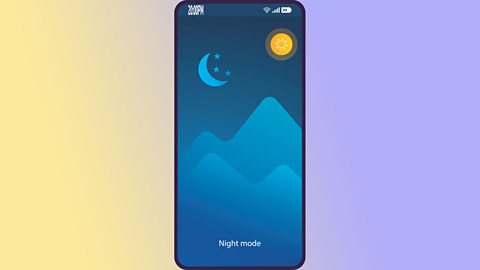
- Control that phone! You could try setting your phone to automatically turn to 'night mode' at 8pm. It changes your screen from blue to orange which feels less harsh on your eyes and can help you chill out. You can also get apps to check your screen time – if it's getting a bit much, you can then set up options to have the app close or get a notification to let you know if you're spending too much time on it.
- Get your washing routine down. If showering wakes you up, maybe save it for the morning but if you find it relaxes you and helps you wind down, then it can be a great way to switch off and forget about the rest of the world.
- Control your lighting. Try turning your lights off at the same time every night, even if you aren't tired. It should help you drift off to sleep more easily and keep your morning wake up routine regular.
- Have a debrief. Try talking to a family member for half an hour before bed. It can be good to talk through your day and can be a positive and relaxing way to end the day.

If you need support
You should always tell someone about the things you’re worried about. You can tell a friend, parent, guardian, teacher, or another trusted adult. If you're struggling with your mental health, going to your GP can be a good place to start to find help. Your GP can let you know what support is available to you, suggest different types of treatment and offer regular check-ups to see how you’re doing.
If you’re in need of in-the-moment support you can contact Childline, where you can speak to a counsellor. Their lines are open 24 hours a day, 7 days a week.
There are more links to helpful organisations on the BBC Bitesize Action Line page for young people.
Revision: How to stay motivated
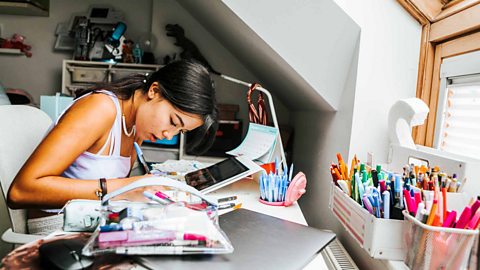
Just how do you stay motivated whilst revising?
Study Support Podcast
In this BBC Sounds Podcast Ibz Mo looks at some of the techniques you can use to help study smarter in school or at home.

Organisation hacks with Jack Edwards
Radio 1's Life Hacks presenter, Katie Thistleton, meets YouTuber, Jack Edwards, to talk all things organisation.