All about Edinburgh
The capital of Scotland, Edinburgh has a long and fascinating history, welcoming millions of tourists every year. Home to landmarks such as Edinburgh Castle, Arthur’s Seat, Calton Hill and much more, there is plenty to see and do.
If you explore its cobbled streets, you’ll be impressed by its architectural beauty and the many popular shops, restaurants and cafes you can visit. But how well do you know Edinburgh?
BBC Bitesize previously took a closer look at fascinating facts about Scotland in general – but now we’re turning our attention to the Scottish capital specifically. Here, you can also test your knowledge of Edinburgh in our IYKYK quiz below.
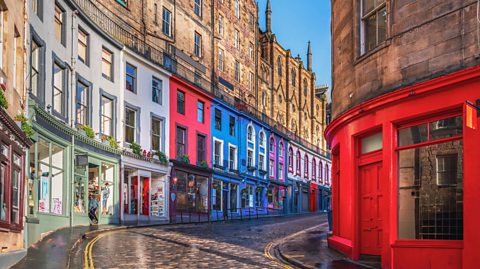
1. It wasn't the first 'capital' of Scotland
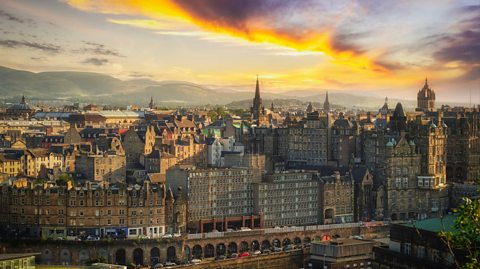
Generations have come to know Edinburgh as Scotland’s capital – but did you know it hasn’t always technically been? In 1437, following the death of King James I of Scotland, the throne was moved from Scone to Edinburgh, which was considered the “first capital.”
For hundreds of years, Scone had been where Scottish monarchs were crowned and resided. But several different areas of Scotland have also been considered “capitals” over time, as seats of power were held in the likes of Dunfermline, Stirling, Falkland and Inverness.
2. The Royal Mile is more than a mile
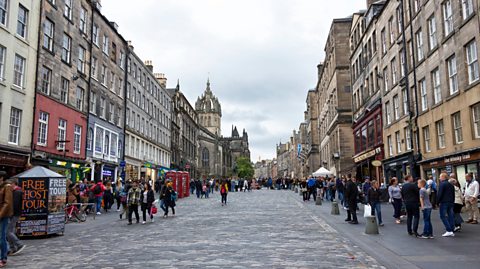
Located in the heart of Scotland’s historic capital, you’ll find Edinburgh’s Royal Mile. Running through Edinburgh's Old Town, the route connects Edinburgh Castle and the Palace of Holyroodhouse.
But despite its name – it isn’t technically a mile long. The Royal Mile, is just over one mile stretching to around 1.13 miles (1.81km).
3. There's no excuse for missing a train
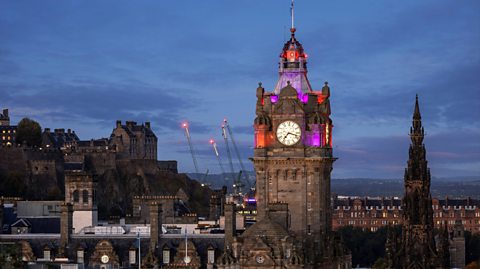
Before the days of mobile phones and apps to check the progress of a journey, one Edinburgh hotel was ahead of the game – quite literally – to ensure commuters didn’t miss their trains. Built well over a century ago, the Balmoral Hotel clock tower has always had its time set deliberately fast.
The tradition is said to have started following an intervention by railway officials at Edinburgh Waverley Station, which is below the clock tower, who believed it would give travellers extra time to collect tickets and make their trains. Ever since, the clock has been set three minutes fast except on Hogmanay.
4. The castle on a volcano
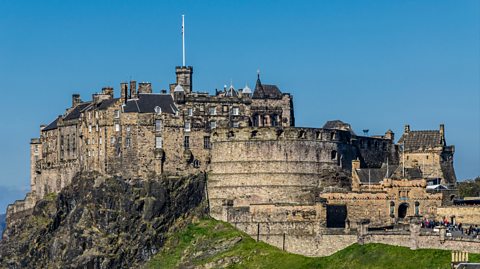
Scotland's capital is built on lots of hills. But did you know that Edinburgh Castle is on top of an extinct volcano?
For over 900 years, Edinburgh Castle has stood proudly on top of Castle Rock. Over time, many tourists have come to know this fascinating fact when visiting.
5. The knighted penguin
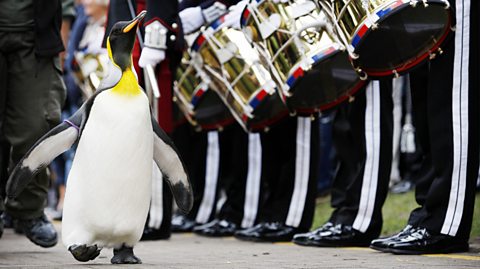
The only penguin to be knighted in the world calls Edinburgh Zoo home – and this King Penguin is Sir Nils Olav. The official mascot of the King’s Guard of Norway, the penguin’s full title is Major General Sir Nils Olav III.
There have been mascots of the Norwegian King’s Guard since 1972 and through time there have been three who have carried on the famous name and title. Over the years, Sir Nils Olav has been promoted up the ranks.
6. It's the birthplace of many famous authors
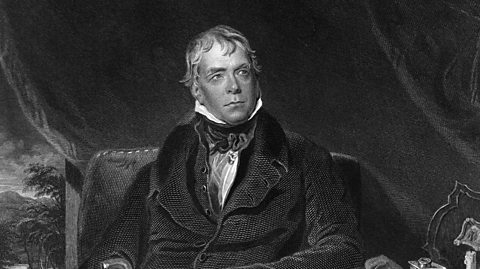
Across generations and professions, Edinburgh has been the birthplace of many notable people – including several famous authors. These include Sir Walter Scott, best known for novels such as Ivanhoe and Rob Roy, as well as Waverley, which is where the capital’s railway station got its name.
Robert Louis Stevenson, best known for classic novels Treasure Island and The Strange Case of Dr Jekyll and Mr Hyde, also hails from Edinburgh. There are so many to mention, but we also couldn’t forget Sherlock Holmes author Sir Arthur Conan Doyle who was born in the city.
7. It has multiple UNESCO titles
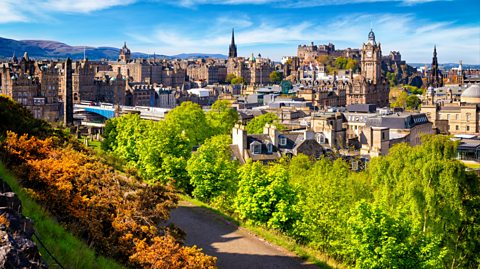
With so many famous authors and a deep literary heritage, it’s no surprise that Edinburgh was the first to have the UNESCO (The United Nations Educational, Scientific and Cultural Organization) City of Literature. The capital gained the title back in 2004, being recognised for its literary history.
But this isn’t the only UNESCO title Edinburgh has. The Old and New Towns of Edinburgh have also been UNESCO World Heritage Sites since 1995.
8. Edinburgh Fringe Festival is the largest arts festival
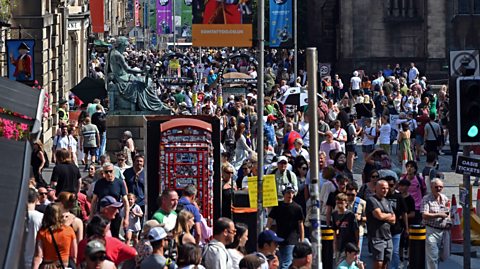
Edinburgh Fringe Festival (also know as Edinburgh Festival Fringe) is widely considered to be the largest arts festival in the world. For decades, the three-week event has taken place every August, welcoming many from the world of performing arts and tourists from across the globe.
The origins of the festival are said to date back to 1947, when eight theatre groups arrived at the Edinburgh International Festival uninvited to perform. Every year, thousands take to its many stages to perform.
9. It's where the Encyclopaedia Britannica was first produced
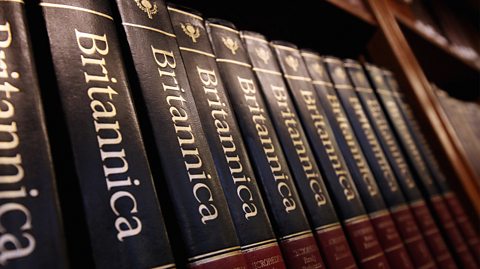
The oldest English-language general encyclopaedia, The Encyclopaedia Britannica, dates back hundreds of years. But it was first published in Edinburgh in 1768.
It is said to have been published and printed in the city for engraver Andrew Bell and printer Colin Macfarquhar. It was first published in three volumes.
10. Edinburgh had the first fire service in the world
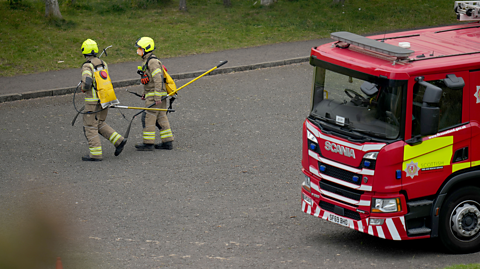
A service we couldn’t live or imagine living without, centuries ago the modern fire brigade was not part of everyday life. But in 1824, the world’s first public and local authority funded fire service was established in Edinburgh.
According to the Museum of Scottish Fire Heritage, James Braidwood was the city’s first Fire Master. From there, the concept was adopted by cities and areas across the world.
This article was written in January 2025
