Sign up to the BBC Bitesize newsletter! External Link
For home education news and stories plus updates on the latest Bitesize content, register for our newsletter today.

Human motivation naturally ebbs and flows, whether you’re educating your child at home, working or training for a marathon.
The key to staying motivated when home educating is to understand yourself, what energises you and what works best for you and your child.
What is motivation?
Motivation is something we all need to get things done. Dr Ian Taylor, Motivational Psychologist at Loughborough University, describes it as, “all the psychological forces that drive behaviour.”
In other words, motivation is the desire, drive or incentive that leads to action, whether that’s feeding ourselves, seeing our friends or teaching our child something new.

How can I stay motivated when home educating my child?
Home education is a rewarding endeavour but at times can be difficult. Read our top tips and advice to give your motivation a boost.
Start with the basics
Dr Abigail Wright, educational psychologist and Chartered Member of the British Psychological Society, reminds us to get the basics right first: “Food, sleep, exercise, connection with things and others who are important to us. It’s difficult to feel motivated when we’re missing important things that help us feel safe, healthy and comfortable.”
That applies to both you and your child. It’s easy to forget about your own wellbeing as a parent when you’re focusing on what your child needs.
Find out how to look after your mental wellbeing and read our six self-care tips for parents.
Think about what you enjoy in home education... and what you don’t
Make a list of what you do and don’t enjoy about home educating. This will help with self-awareness, which has been linked to motivation.
Dr Abigail Wright says: “Making a list of things that generally give us more energy and those that deplete us can be helpful, such as five minutes of space before starting a new activity or having time to be in touch with nature.”
Dr Ian Taylor adds: “If you’re doing it simply because you ‘should’ do or ‘have’ to, then you’ll struggle to remain motivated. Try to find your own personal reasons for educating your child… Can you find any enjoyment out of helping your child? Can you learn how to be a better educator yourself? Does educating your child help you bond with them?”
Delegate the things you don’t enjoy
Reflecting on things that drain your energy or aren’t absolutely necessary will help you to plan around them. If you hate anything to do with maths, delegate that subject area to another trusted home educating adult, a tutor, or encourage your child to learn independently.
Or, if you love learning along with your child, wherever that may take you, but it leaves you little time for housework, then delegate that to a partner, a friend via a ‘trade swap’, or get your child involved in helping you. Chores can often provide learning opportunities.
Get it out of the way early
When starting a new habit, Dr Ian Taylor suggests: “If you don't enjoy it, do it in the morning or as soon as possible in the day. Your motivation and willpower will only decline in the day, and you might begin to dread doing it more as the day progresses.”
This could mean planning your activities for the day before your child gets up or while they’re having breakfast.
Dr Taylor also recommends repeating an activity in the same environment. That could mean sitting at the table every morning writing down a loose structure for the day while your child sits next to you eating their breakfast.
Focus on the immediate rewards
Dr Taylor says: “Find an immediate personal benefit for doing it.” This will increase the likelihood you’ll stick with home education long term.
If you focus on the positive feeling or satisfaction you’ve gained from home education, or something specific you and your child did or learned that day, your brain is more likely to do it again automatically.
Think about what you’ve learned together at the end of the day, what positive behaviour you’ve seen, the connection time you’ve had.
Dr Abigail Wright says: “Try to focus on the joy through the process and learning itself, rather than just thinking about the end outcome… Remember, all small little steps compared to bigger steps can eventually land at the same achievements or goal.”

Have a clear picture of why you’re doing this
Immediate rewards are helpful but it's also fine to have future goals in mind, so you understand why you’re home educating your child.
Perhaps your aim is to help them self-regulate better or understand their own emotions and motivations before they become an adult. Or maybe your goal is to give them a broad understanding of life and essential life skills.
Whatever your personal motivation, keep that image in mind as well. Visual aids like pictures or motivational phrases and positive affirmations can help.
Break things down into smaller chunks
Thinking about teaching your child English, maths and science all in one day can feel overwhelming. So much so that neither of you may ever get started.
Try to break your goals down into smaller, more achievable chunks. You could first aim to get your child sitting comfortably in a designated work area or you could ask your child to choose something they want to do that day, whether it’s playing with toy cars or playdough.
Once you’ve established that, you can move to the next step of where you’re going to do it, then the third step of getting the things out that you need, and so on, until you're at the point where you’re playing together and learning about speed or forces with cars, for example.
One other thing: try not to compare yourself to others. Dr Wright says: “Think about your own unique values and vision and why that’s important. Be guided by these, as opposed to just a specific outcome or goal.” Admittedly easier said than done!
What if I’m experiencing a dip in motivation?
Dr Ian Taylor says: “If you’re experiencing a dip in motivation, then all the ideas above will help. Broadly speaking, you need to change something to get out of your dip. Look for a new way to educate your child, a new place, a new time, a new perspective…”
Remember the saying ‘a change is as good as a rest’.
For more reassurance, read out article on ten common fears around home education and tips for overcoming them.
How can I help my child to stay motivated when learning at home?
So far we've focused on your own motivation. But perhaps you're seeking advice on how to keep your child motivated during home education. Here are five top tips to help.
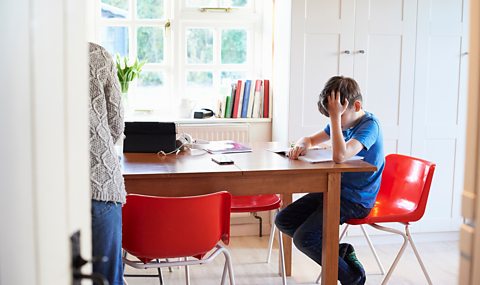
1. Think about when you (both) work best and have more energy
Dr Taylor says: “Try to keep the effort required as low as possible. Keep sessions short and simple.” That could mean learning for five minutes at a time before taking a break.
Know how your child works best, and at what time of day, so you can factor in breaks, a change of activity, downtime, getting outside, or whatever you both need to feel energised.
2. Build on what they’re already good at or interested in
Dr Wright says: “Make learning feel safe and achievable by building on a child’s strengths and things that are already going well. This might mean a skill they’re already feeling success with and then supporting a new challenge, or it could be using something they can do, in a different or new situation."
She adds: "For example, if you were hoping to learn about counting and a child’s interested in football, you could use football players with numbers on their shirts.”
3. Construct learning around your relationship and connection
Dr Wright says: “Connections and relationships are the most significant factor when it comes to learning.”
Dr Taylor elaborates: “Enjoyment might not come directly from the lesson content, but they might enjoy learning it with you.”
Focus on learning something you’re both interested in when you can. If you’re both enjoying something, and it feels important and meaningful, your child is much more likely to be motivated and engaged with it.
4. Give them some ownership
Dr Taylor says children will be motivated if they feel capable.
Dr Wright continues: “Encourage a sense of autonomy, so children feel empowered through their own experiences… Support them in making decisions and give them choice about how and when they learn… ensure children have time to choose their own interests and learning according to their own preferences. Everyone needs some low demand, pressure-free time, to help us relax and grow, physically and psychologically.”
Dr Taylor adds: “If they’re finding the content difficult, then make it a step easier and build up their sense of capability."
5. Praise the effort
Dr Wright advises focusing, “on the specific effort children have put into something and the impact this has had when giving feedback or praise.”
For example, you can say, "you concentrated really hard there, and that meant you could do long subtraction."
See also the five ways to help your child move towards a growth mindset.
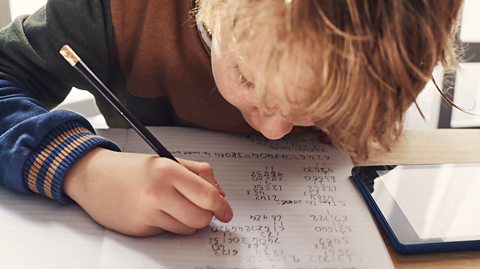
Where can I read more about motivation?
BBC Bitesize has a range of articles to help you to better understand this theme and to help your child stay motivated while learning.
The simple trick that can help you stay motivated
Where can I find more support for home education and parenting?

The BBC Bitesize home education collection is designed to support you and your child’s learning at home with free downloadable resources, advice articles and videos for children aged two-to-five years old, five-to-11 years old and 11-to-16+ years old.
Bitesize Parenting is the go-to place for the whole parenting community to find stories, expert advice and fun activities.
If your child has special educational needs or disabilities, be sure to check out the Parenting SEND collection. Bitesize has a collection of Sensory Stories, an immersive video series of unique sensory adventures for children with additional needs.
For more information about home education, this BBC News article covers the rise in families deciding to educate their children at home.
