Sign up to the BBC Bitesize newsletter! External Link
For home education news and stories plus updates on the latest Bitesize content, register for our newsletter today.

What are BBC Live Lessons?
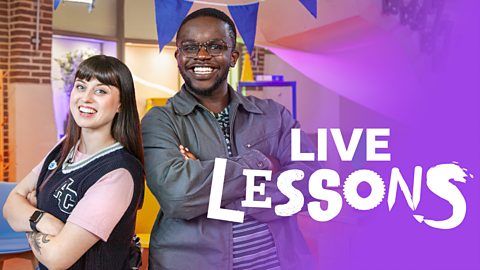
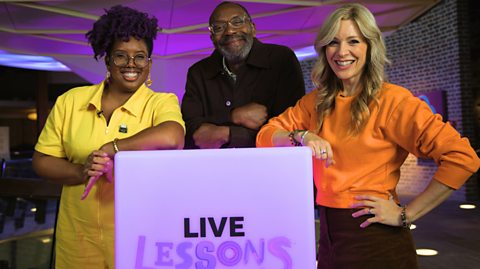
BBC Live Lessons from Bitesize are half-hour interactive programmes designed to support educators and bring the curriculum to life.
Created with the support of educational consultants, specialist partners and some of the BBC's biggest brands and presenters, Live Lessons create a fun and engaging learning experience for students of all ages.
There are over 50 recordings of previous Live Lessons available to watch back on the Bitesize for Teachers website. To find out more about Live Lessons take a look at this comprehensive guide from BBC Bitesize.
How can Live Lessons benefit home educators?
You may well know of Live Lessons as a great resource for teachers and classrooms across the UK, but did you know you can use them as part of home education too?
We've broken down some of the benefits that Live Lessons can have for you, as a home educator.
Links to the curriculum
Each Live Lesson is mapped to the UK curriculum. You can easily tie it into home education plans to teach children in a fun and engaging way.
Live Lessons are suitable for children across a number of age groups, and cover key subjects such as maths, science, English and literacy.
If you fancy something a little different, there are Live Lessons focused on careers, PSHE and citizenship, to support your child's education across a number of avenues!
Watch live for an interactive experience
Join at 11am on CBBC or the Live Lessons website so your family can take part alongside schools from across the country.
Live Lessons might feature shout-outs, interactive votes and real-time challenges. They serve as the perfect way to feel part of a national educational moment.
Rewatch on-demand for flexibility
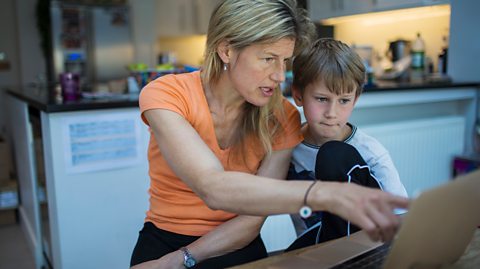
If you can’t join in as it happens, all Live Lessons are available on BBC iPlayer and the Live Lessons website afterwards.
This means you can pause, rewind and revisit key sections to reinforce learning or explore tricky ideas at your own pace.
Themed calendar days
Live Lessons are often tied to key dates in the educational calendar such as Anti-Bullying Week, Safer Internet Day, World Book Day, British Science Week and Earth Day.
Live Lessons can form part of a themed day of learning. For example, for Anti-Bullying Week, you could pair the Live Lesson with discussions about empathy and communication skills, building atop of the lesson content to deepen your child's knowledge and understanding.
Be sure to check out the BBC Bitesize activity packs area too, for lots more themed learning resources and interactive quizzes.
How to get the most out of Live Lessons as a home educator
So, we know how Live Lessons can benefit you when home educating. But what can you do to get the most out of them?
We've spoken to the team over at Live Lessons, and put together a few simple steps you can take to make Live Lessons work for you!
Download the teaching guide and Mission Packs
Each Live Lesson comes with free printable resources, ready to download two weeks before the date of the programme, including Mission Pack booklets and a teaching guide.
Mission Pack booklets contain activities that learners will complete during the programme. The teaching guide details which curriculum objectives are covered and summarises what happens in the programme so you can prepare.
If you can’t print the Mission Packs at home, or don’t have access to a tablet for the digital versions, don’t worry – children will still be able to enjoy the challenges using the onscreen graphics.
Encourage discussion and reflection
Each lesson features a group of children participating in the activities alongside the audience, providing plenty of opportunity for discussion and reflection. You could pause during the programme to talk about key ideas or ask open-ended questions like ‘What would you have done?’ or ‘What do you think the answer could be?’, to deepen understanding.
Follow-up activities
Each episode is accompanied by a teaching guide which contains follow-up activities to extend the learning after the programme. These guides are written by subject experts and are directly linked to the curriculum.
Joining in
Home educators can email shout-outs during live broadcasts or share photos via the 'get in touch' button on the Live Lessons website, emailing live.lessons@bbc.co.uk or on social media using #BBCLiveLessons.
It’s a great way for their children to feel connected with other learners and part of a big event.
Where can I watch BBC Live Lessons?
The Live Lesson website features a schedule of dates for the series.
Some programmes are streamed live at 11:00 on the Live Lessons website, CBBC and BBC iPlayer. Other programmes are pre-recorded ‘as-live’, so while they will still broadcast at 11:00 on CBBC and BBC iPlayer, they may be published on the website earlier that day, from around 9:00.
You can find information about when each Live Lesson is available to watch on its individual web page.
Live Lessons will remain online to be watched whenever you need them. Click here for the full collection of Live Lessons for ages 5-11 and click here to see Live Lessons for ages 11-16.
Where can I find more support for home education and parenting?

The BBC Bitesize home education collection is designed to support you and your child’s learning at home with free downloadable resources, advice articles and videos for children aged two-to-five years old, five-to-11 years old and 11-to-16+ years old.
Bitesize Parenting is the go-to place for the whole parenting community to find stories, expert advice and fun activities.
If your child has special educational needs or disabilities, be sure to check out the Parenting SEND collection. Bitesize has a collection of Sensory Stories, an immersive video series of unique sensory adventures for children with additional needs.
For more information about home education, this BBC News article covers the rise in families deciding to educate their children at home.
