Sign up to the BBC Bitesize newsletter! External Link
For home education news and stories plus updates on the latest Bitesize content, register for our newsletter today.

What is communication and how can I teach it to my child?
According to a survey of over 1,000 employers by social mobility charity the Sutton Trust, 94% say life skills like communication are, “as or more important than academic qualifications in determining the success of young people”.
Psychologist Professor Vivian Hill describes communication as, “absolutely essential to your psychological wellbeing”.
That may sound like a lot, but don’t be put off – the simplest thing you can do for your child is to role model effective communication and be tuned into their best methods of communication, whatever their developmental stage.
What are the different types of communication?
Communication can be written, verbal and non-verbal. However, there are other important factors, including listening and visual communication, which can be just as important, depending on your individual child.
Written communication skills include things like writing letters, emails, essays, persuasive writing, reports, leaflets, text messages and posts on social media.
Verbal communication skills involve using spoken word and sound, whether via speech or assistive technology. Your child may use it face-to-face or over video or phone calls for many things including speaking with others, acting, delivering a speech, taking oral exams, job interviews, etc.
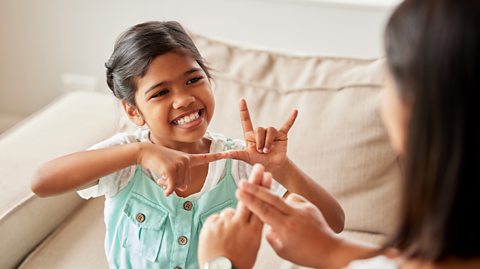
Non-verbal communication is how we use our body language to communicate, including hand gestures, facial expressions, posture, touch and eye contact. Your child may use this to emphasise a point or to try and get across how they’re feeling, especially if they struggle with verbal or written communication.
Active listening is a key part of communication that’s often overlooked. As parents, we need to listen attentively to our child to really understand what they’re trying to communicate. The same applies to your child when they’re building their communication skills and developing empathy.
Visual communication refers more to methods such as signs, posters, graphics, text, drawing, pictures and electronic forms of communication such as video and animation. Children who don’t always use speech may be able to use visual aids to help them communicate.
Examples of good communication skills
An example of good communication will depend on your individual child. It might be your child having a good conversation by listening and responding appropriately, nodding in agreement or sympathising if the other person shares something personal.
Or it might be your child pointing with their eye or a digit at a picture of something when you’ve asked them a question about it.
With an older child, it might be their use of language in an English essay or piece of persuasive writing, an email they write to an MP or how they communicate in their first job.
How to improve communication skills
“With teens especially, talking about an issue and being indirect… often leads to the best conversations.” – Parenting coach and author Anita Cleare
Parenting coach and author Anita Cleare says the best way to learn communication skills is through practising, “all the different elements and forms of communication… And being aware of how we communicate differently according to context, purpose and audience.”
She suggests, where possible, not speaking for your child when you’re out and about: “Encourage them to talk to shop assistants and librarians for themselves. You can help them develop a script for those conversations.”
As psychologist Dr Abigail Wright says in our article seven life skills you can develop in home education, communication is also fundamentally about connection. Provided your child feels safe, regulated and comfortable, connect with them through shared activities and time spent together on their level, and communication will naturally follow.
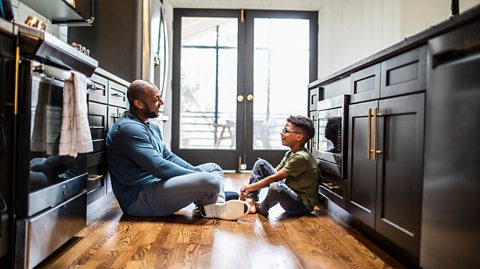
“The best conversations with children tend to start from a natural launchpad," says Anita, "such as something you watch together or a piece of family news. Tweens and teens will often engage enthusiastically in conversations about other people."
Anita elaborates: "If you want to talk about body image, talk about their favourite pop star. If you want to talk about effort and reward, talk about an athlete or footballer. You could encourage older children to write letters to newspapers or submit articles on the issues that are important to them, or create posters or videos for community campaigns.”
Clinical services manager at relationship charity Relate, Sue Armstrong, also recommends having other people involved in your child’s learning if possible, especially when you’re home educating, “So your child gains experience on relating and communicating with [others]”. This can include things like sports coaches or through other extracurricular activities.
Communication skills in neurodivergent children
As Professor Vivian Hill points out: “All behaviour is communication”. You know your child best, so you’ll be tuned in to what they’re trying to communicate.
You can help by encouraging them to use the resources that work for them, whether that’s a picture exchange, writing on a board, eye pointing, etc, and making sure their relevant adults and caregivers are familiar with those methods.
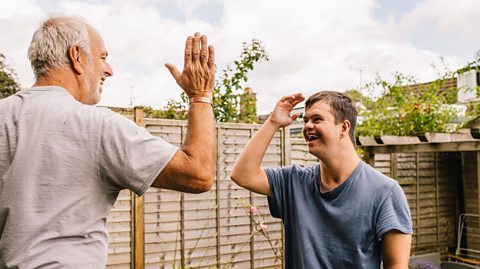
Parenting coach and consultant Miranda Perry says, if appropriate, ask your child how they feel they communicate best: “How do people experience you as who you are most effectively? Is it when you draw? Is it when you sing? Is it when you run towards them? What’s your body language telling people? How do you enter a room? What’s that like?"
“Start with the positive," Miranda affirms. "Often children don’t realise that when they arrive, certain people feel positive things about them because of the way they’re communicating.” In other words, let them know their smile can light up a room.
Where can I find more support for home education and parenting?
The BBC Bitesize home education collection is designed to support you and your child’s learning at home with free downloadable resources, advice articles and videos for children aged two-to-five years old, five-to-11 years old and 11-to-16+ years old.
Bitesize Parenting is the go-to place for the whole parenting community to find stories, expert advice and fun activities.
If your child has special educational needs or disabilities, be sure to check out the Parenting SEND collection. Bitesize has a collection of Sensory Stories, an immersive video series of unique sensory adventures for children with additional needs.
For more information about home education, this BBC News article covers the rise in families deciding to educate their children at home.
