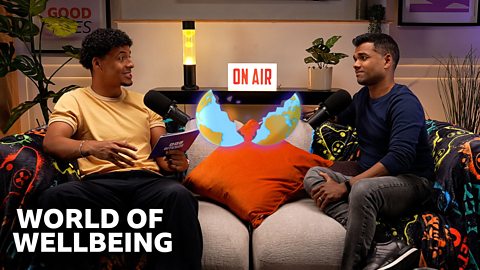
Friendships in school can have more ups and downs than a rollercoaster – friends change, interests develop, you study different subjects – there are many reasons why you might swap friendship group or make new friends throughout your time in school.
We spoke to some of the cast of the new series of Waterloo Road, which starts on BBC One and iPlayer from 23 September, to get their tips and advice on making friends throughout school and what you can do if you feel your friendships are changing.
Liam: It'd have to be someone who's a good listener. Um, because whether you're having a laugh or you're going through a bit of trouble, I've got to listen to your jokes or listen to your drama.
Tillie: Somebody that actually listens. So when you have a problem, they don't just like, breeze you off. They listen to your genuine worries and they're just as worried about it as you.
Niamh: Somebody who's there for you. Loyal got your back, you can trust with everything. And then on the flip side, someone you can have fun with. I think that's one of the most important things you want to have. You wanna have fun with your friends.
Zak: For me, what makes a good mate is humour. But what makes a great mate is empathy. If I can understand where you're coming from, you can understand where I'm coming from. We can understand each other's intentions. Then you can say whatever you like to me. And I can probably say whatever I like to you and we have a level, we can understand each other.
Tillie: Somebody that has your back, you know, a school days long and a lot can happen. So if you know you've always got that ally, it's just an extra bit of comfort whilst you're at school and also somebody that is your vibe. Do you know what I mean? You need to be able to listen to the same songs, watch the same movies, have stuff to talk about.
Liam: Someone that's loyal and I'll stick by you for everything. The good, the bad, the ugly and stays by your side.
Niamh: Zak is really intuitive and really thoughtful, and you don't have to tell him much for him to know how you're feeling.
Tillie: You are very funny.
Liam: Thank you.
Tillie: Yeah, and another reason you're a great mate is because you got my back.
Liam: Yeah.
Zak: Niamh is a fantastic friend. Niamh is a kind of friend that guy like me really, really, really needs in his life. Um, Niamh is the order to my chaos, if that makes sense.
Liam: You're very loyal.
Tillie: Yeah
Liam: And I know.
Tillie: To the soil.
Liam: You're loyal to the soil, and I know if there's ever a time where I've ever needed anyone for a chat and I've called the phone, you always pick up.
Tillie: And I don't actually pick up the phone to many people.
Liam: She doesn't.
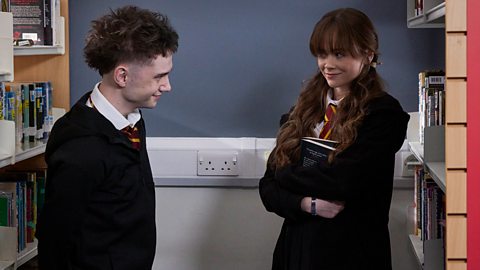
What makes a great mate?
We all have our reasons for being besties, whether your mate makes you laugh, or they share similar interests to you. But what did the cast of Waterloo Road say makes a great mate? Tillie who plays Stace says a great mate is somebody who actually listens. She said: "So when you have a problem, they don't just like, breeze you off. They listen to your genuine worries and they're just as worried about it as you." Zak who plays Schuey said: "For me, what makes a good mate is humour. But what makes a great mate is empathy."
In our World of Wellbeing podcast, Dr Radha told us that there are lots of elements that make up a healthy relationship including trust, openness and being able to be yourself and open up without worry. Radha said: "Kindness is a big one too – if a friendship is based on kindness, then it is unlikely to go wrong."
Liam: It's a very, very good question.
Niamh: I feel like in life there's a lot that you can't control, you can't control your family or things that happen to you, but you do have a choice over who you make your friends, and they can follow you through all aspects of life, through the good and the bad, and they shape who you are. And for me, they definitely make me a better person.
Tillie: Friendships are important because friends are the family that you choose, and they accept you for exactly who you are and love you for exactly who you are.
Liam: I think having really good close friends around you gives you a really good backbone of support and, um, being able to have a network of people that you can communicate with and speak with is really important.
Zak: Friendships are important to me to understand my own thoughts and bounce them off of my friends, because then I can get a better understanding of them myself, my situation and theirs. We can all grow together.
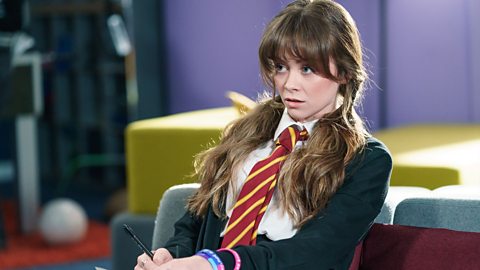
Why are friendships important?
The cast talked to us about the importance of friendships, Tillie who plays Stace told us: "Friendships are important because friends are the family that you choose, and they accept you for exactly who you are." Liam said: "Being able to have a network of people that you can communicate with and speak with is really important."
Dr Amir gave us some top tips for making new mates at school in our Guide to School Life.
- Be open to new people - Don't rush to find a group immediately.
- Join clubs and activities - This is an easy way to meet people with similar interests. You might not stick with these friendships and that's OK, but this is a great chance to meet some new people outside of your immediate friendship group who are interested in similar things to you.
- Be yourself - Take a deep breath, smile and just be yourself. Remember you don't have to be perfect or cool. Just be kind and interested in the other person. And don't forget to remember how brilliant you are and how lucky these people are to be hanging out with you.
I don't deal with a friendship fallout very well.
I deal with a friendship fallout by always taking a step back, because I feel like when you act off impulse, you might say some things you regret and you're not actually trying to deal with the situation when you're angry, you're just trying to make the other person feel as angry and upset as you.
Any type of fallout when it comes to friendship, you know, there's always two sides. Um, and you might feel one way, but then the other person is going to feel the complete other way.
I really hate confrontation, so I find it really hard, but I do think it's important to reach out and, you know, even if you don't feel like you've done something wrong or to like, say sorry, because I think that's that olive branch, that first step is really important and then you can have a conversation and choose where to go from there. That's what I'd say I do.
I very much kind of remove myself. Either find new friends or, um, just be on my own for a while. But I also do think that a bit of alone time is always necessary.
Having a think about both sides and putting yourself in the other person's shoes. Um, and at that point, if you still feel as strongly as you do, I think the best way to get out of anything is by talking and communicating and keeping it calm. Because the minute you do that, you're going level headed with someone else, and then you bring them to being level headed, and then you either sort it out or you just settle it, okay? You've upset me. You move on. That's how I've always dealt with it.
How to deal with friendship fallouts
It can be really difficult dealing with friendship fallouts, Dr Radha spoke to Ami Charlize about them in our World of Wellbeing podcast, Ami said that she felt really excluded when she was left out of a friendship group in school. Radha told us that you can spot some of the signs of an unhealthy friendship: "Watch out, for example, for someone using phrases like, ‘I’m going to be brutally honest with you…’. This often means they’re about to say something hurtful."
Niamh who plays Agnes said she hates confrontation, but that you should reach out if you have had a fallout. "I think that's that olive branch, that first step is really important, and then you can have a conversation and choose where to go from there." Radha told us that if you have had a fallout then it is good to be able to chat it through and talk to each other in a neutral, non-judgemental way to find some solution or way forward, and apologise to each other.
The new series of Waterloo Road airs weekly on BBC One from Tuesday 23 September, with a double bill at 9pm and the second episode at 10:40pm, or the entire series is available to watch on iPlayer. The new school year will see some new faces arriving through the school gates, including comedian Jon Richardson who plays Media teacher Darius Donovan.

If you need support
You should always tell someone about the things you’re worried about. You can tell a friend, parent, guardian, teacher, or another trusted adult. If you're struggling with your mental health, going to your GP can be a good place to start to find help. Your GP can let you know what support is available to you, suggest different types of treatment and offer regular check-ups to see how you’re doing.
If you’re in need of in-the-moment support you can contact Childline, where you can speak to a counsellor. Their lines are open 24 hours a day, 7 days a week.
There are more links to helpful organisations on the BBC Bitesize Action Line page for young people.
What is cyber bullying?
We asked some sixth form students what they know about cyber bullying, here's what they had to say.
What is peer pressure?
We've asked some students from a sixth form college what their experiences of peer pressure are.
World of Wellbeing: How to cope with change
Wellbeing and education influencer Kit Brown and Dr T find out how to overcome unexpected changes in life.