|
 |
 | | | | | | |||||||||||||||||||||||||||||||||||||||||||||||||||||||||||||||||||||||||||||||||||||||||||||||||||||||||||||||||||||||||||||||||||||||||||||||||||||||||||||||||||||||||||||||||||||
| | | You are in: Science/Nature | |||||||||||||||||||||||||||||||||||||||||||||||||||||||||||||||||||||||||||||||||||||||||||||||||||||||||||||||||||||||||||||||||||||||||||||||||||||||||||||||||||||||||||||||||||||||
|
| | Wednesday, 23 October, 2002, 13:38 GMT 14:38 UK Human pressures 'ruining mountains' 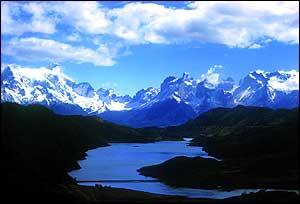 Immemorial the mountains may be - but not inviolable (Image: M Infante)
Agriculture, building, war and climate change are all helping to tame what were once wildernesses. The consequences for people who live in the mountains are likely to be severe.
A report published by the UN Environment Programme (Unep) says almost half of Africa's mountain regions are thought to have been appropriated for farming - 10% for crops, and 34% for grazing. The regions whose mountains remain in their least damaged state are Greenland and north and central America. The report, Mountain Watch, was compiled by the Unep World Conservation Monitoring Centre (Unep-WCMC). It will be given to delegates to the Global Mountain Summit to be held in Bishkek, the capital of Kyrgyzstan, next week. Combining the data The report is the first map-based assessment of environmental change in mountain areas and of the implications for sustainable development.
Maps showing ecosystems and species were overlaid with information about these different pressures, to identify conservation priorities. Dr Collins said: "The results were stunning. We could clearly see which areas are suffering most from a combination of pressures or impacts. "So for the first time we have a global snapshot of the threats and vulnerability of different mountain regions." Dr Klaus Toepfer, Unep's executive director, said: "Mountains have often been seen as the homes of the gods. Legends abound, from the fabled yeti of the Himalayas to Bigfoot in the US. Accelerating loss "But this new report highlights how, like so many parts of the world, some of these last wild areas are fast disappearing in the face of agriculture, infrastructure development and other creeping impacts.
"These impacts and losses threaten the health and well-being of us all. Mountains are the water towers of the world." The report says traditional agricultural systems, like terracing, can be good for mountainous areas, for example by helping to stabilise soils. But much of the current conversion to farming is leading to loss of forests and other land cover, which can speed up erosion and soil loss. 'Neglect should end' The report found:
All images courtesy and copyright of individual photographers/Unep/Topham | |
See also:  23 Sep 02 | Business 05 Sep 02 | Africa 07 Jun 02 | Science/Nature 16 Apr 02 | Science/Nature Internet links: The BBC is not responsible for the content of external internet sites Top Science/Nature stories now: Links to more Science/Nature stories are at the foot of the page. | |||||||||||||||||||||||||||||||||||||||||||||||||||||||||||||||||||||||||||||||||||||||||||||||||||||||||||||||||||||||||||||||||||||||||||||||||||||||||||||||||||||||||||||||||||||
| |
|  E-mail this story to a friend E-mail this story to a friend |
| |
| Links to more Science/Nature stories |
| | | ||
 | ||||
 | | Back to top
| ||
| ---------------------------------------------------------------------------------- To BBC Sport>> | To BBC Weather>> | To BBC World Service>> ---------------------------------------------------------------------------------- © MMIII | News Sources | Privacy |