|
 |
 | | | | | | |||||||||||||||||||||||||||||||||||||||||||||||||||||||||||||||||||||||||||||||||||||||||||||||||||||||||||||||||||||||||||||||||||||||||||||||||||||||||||||||||||||||||||||||||
| | | You are in: Africa | |||||||||||||||||||||||||||||||||||||||||||||||||||||||||||||||||||||||||||||||||||||||||||||||||||||||||||||||||||||||||||||||||||||||||||||||||||||||||||||||||||||||||||||||||||
|
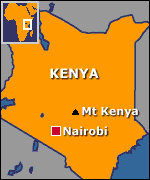
| | Thursday, 5 September, 2002, 13:15 GMT 14:15 UK Mount Kenya dries up 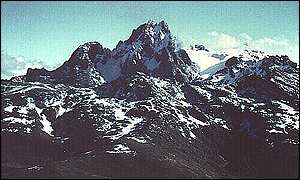 Mount Kenya is the source of water for millions "The mighty Mount Kenya is finally giving way as an inexhaustible water fountain," the Daily Nation newspaper reported on Thursday. Communities on the slopes of Kenya's most important water source have no water to drink and people further downstream on the rivers which flow from it are having to move upstream in search of water. Mount Kenya is one of Kenya's five main "water towers" - mountains which are the sources of rivers supplying most of Kenya's water.
According to the United Nations Environment Programme (Unep), more than seven million people are directly dependent on the mountain's water catchment area. But in recent years a range of problems has affected the water resources, including over-extraction of water from rivers on the mountain slopes, the destruction of forests, marijuana (bhang) cultivation, illegal grazing and the reduction in the size of Mount Kenya's 12 glaciers. The growing water problems are leading to conflicts between small and large-scale farmers, cultivators and pastoralists and "between everybody else and wildlife", according to the Daily Nation. 'Red alert' To counter the lack of water, the government has ordered that extraction of water for irrigation should stop.
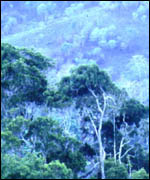
The central province's water engineer, Tom Ogola, said there was a severe shortage everywhere as water levels have dropped. "Most water is being consumed on the slopes by farmers. Conflicts could occur if water does not reach the downstream communities," he said. The Daily Nation described the government's reaction as a "red alert" over the drying up of the rivers and streams. The newspaper said that horticultural farming for export has grown quickly in recent years as more traditional farming such as livestock rearing and coffee has declined. Kenya is now the leading horticultural exporter to European markets. Much of this production takes place along river beds and requires huge quantities of water for irrigation. Dope not trees Other pressures on the mountain's environment that are affecting water supplies include large scale marijuana cultivation, illegal logging and charcoal production, according to the Bill Woodley Mount Kenya Trust.
The Kenya Wildlife Service has reported that the forests on the mountain are under threat from the encroachment of human activity. It is implementing programmes for "the sustainable management of the forests" and to conserve biodiversity, soil and water resources. But the United Nations Development Programme (UNDP) reported recently that the mountain has lost thousands of hectares of forest cover to marijuana cultivation, encroachment by cultivators and illegal logging and charcoal burning. The government has tried to limit water use through the suspension of irrigation permits and has pledged to monitor compliance but the Daily Nation says the water department "has no resources or personnel to man and police all streams and river profiles to enforce its rules". | |
See also:  03 Sep 02 | Africa 03 Apr 02 | Science/Nature 04 Jun 02 | Africa 12 Aug 02 | Africa 27 Feb 01 | Africa Internet links: The BBC is not responsible for the content of external internet sites Top Africa stories now: Links to more Africa stories are at the foot of the page. | |||||||||||||||||||||||||||||||||||||||||||||||||||||||||||||||||||||||||||||||||||||||||||||||||||||||||||||||||||||||||||||||||||||||||||||||||||||||||||||||||||||||||||||||||
| |
|  E-mail this story to a friend E-mail this story to a friend |
| |
| Links to more Africa stories |
| | | ||
 | ||||
 | | Back to top
| ||
| ---------------------------------------------------------------------------------- To BBC Sport>> | To BBC Weather>> | To BBC World Service>> ---------------------------------------------------------------------------------- © MMIII | News Sources | Privacy |