|
 |
 | | | | | | ||||||||||||||||||||||||||||||||||||||||||||||||||||||||||||||||||||||||||||||||||||||||||||||||||||||||||||||||||||||||||||||||||||||||||||||||||||||||||||||||||||||||||||||||
| | | You are in: Africa | ||||||||||||||||||||||||||||||||||||||||||||||||||||||||||||||||||||||||||||||||||||||||||||||||||||||||||||||||||||||||||||||||||||||||||||||||||||||||||||||||||||||||||||||||||
|
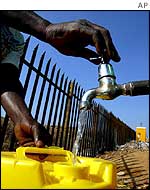
| | Wednesday, 4 September, 2002, 09:45 GMT 10:45 UK Summit conclusions at a glance 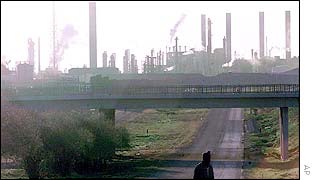 The Kyoto treaty on global warming has been revived As the World Summit on Sustainable Development draws to a close, BBC News Online looks at what has been achieved. Water and sanitation: The deal was welcomed by development charities as an important step towards preventing millions of deaths from preventable diseases. Around the world, about 1.1 billion people lack access to adequate drinking water, according to the United Nations.
It is estimated that half the people in 25 countries in sub-Saharan Africa will not have access to drinkable water by 2025. Bringing proper sanitation would significantly reduce diseases such as cholera. Energy: Governments agreed to take action to help the poor gain access to affordable energy but failed to agree on specific targets to boost the share of global energy produced from renewable "green" sources such as solar or wind power. The European Union wanted targets but the United States and some other oil-producing countries opposed them.
Environmental groups accused the EU of capitulating to American demands. A spokesman for Greenpeace said the agreement was "worse than we could have imagined". The summit also saw wrangling over the meaning of the term "renewable", with some countries arguing that nuclear power and lucrative hydro-electric schemes should be included under this banner. Several smaller proposals on energy were agreed: Global warming: Russia's backing means that enough big producers of greenhouse gases have signed up to bring the treaty into effect. The treaty received a massive blow when the US said it would not ratify it. Natural resources and biodiversity:
The plan does not set specific targets and the wording does not inhibit countries from pursuing development projects. The Worldwide Fund for Nature said the plan "will not provide significant movement forwards... in some cases it actually constitutes a step backwards". Trade: The text was revised to say that nations will "continue to enhance the mutual supportiveness of trade, environment and development," omitting a clause which added "while ensuring WTO consistency". It also states the willingness of rich countries to reach an agreement by 1 January 2005 within the WTO for "substantial improvements in market access" for food exports from developing countries. Human rights and governance: Health: The wording was aimed at fighting practices such as female circumcision or genital mutilation, which takes place largely in African countries. Activists said the US, the Vatican and some developing countries had tried to oppose it - if enforced, it would allow women to opt for abortions in countries where they are outlawed. | |
See also:  28 Aug 02 | Africa 28 Aug 02 | Africa 29 Aug 02 | Business 28 Aug 02 | Africa 27 Aug 02 | Africa 12 Aug 02 | Americas Internet links: The BBC is not responsible for the content of external internet sites Top Africa stories now: Links to more Africa stories are at the foot of the page. | ||||||||||||||||||||||||||||||||||||||||||||||||||||||||||||||||||||||||||||||||||||||||||||||||||||||||||||||||||||||||||||||||||||||||||||||||||||||||||||||||||||||||||||||||
| |
|  E-mail this story to a friend E-mail this story to a friend |
| |
| Links to more Africa stories |
| | | ||
 | ||||
 | | Back to top
| ||
| ---------------------------------------------------------------------------------- To BBC Sport>> | To BBC Weather>> | To BBC World Service>> ---------------------------------------------------------------------------------- © MMIII | News Sources | Privacy |