|
 |
 | | | | | | |||||||||||||||||||||||||||||||||||||||||||||||||||||||||||||||||||||||||||||||||||||||||||||||||||||||||||||||||||||||||||||||||||||||||||||||||
| | | You are in: Science/Nature | |||||||||||||||||||||||||||||||||||||||||||||||||||||||||||||||||||||||||||||||||||||||||||||||||||||||||||||||||||||||||||||||||||||||||||||||||||
|
| | Tuesday, 29 October, 2002, 14:34 GMT Why mountains matter 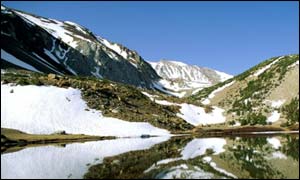 Mountains are vital for human life, scientists say
An international conference on the problems of the world's mountains is taking place in Bishkek, the capital of Kyrgyzstan. Delegates from more than 60 countries are expected to attend the Global Mountain Summit, which has been organised with UN support. Kyrgyzstan is an appropriate place for a conference of this sort: 93% of the country is classified as mountainous. The conference will look at the ways in which agriculture and development are eating away at the mountains, with climate change and human conflict worsening the problems. For people who live in the mountains, this means a possible threat to their way of life and even to life itself if natural disasters like avalanches and floods become more likely. But the organisers insist that mountains matter to everyone. Dr Klaus Toepfer of the United Nations Environment Programme, calls them "the water towers of the world". Graphic new evidence has emerged here of the changes taking place in fragile mountain environments. Lake worry Water levels in a vast lake in the north-east of Kyrgyzstan, Lake Issyk-Kul, have been falling for 70 years, apart from brief episodes when they rose instead. But since 1998 they have risen by 26 centimetres - a huge amount, given that the lake's surface area is more than 6,000 square kilometres. Scientists here say the rising levels are being caused by climate change and believe they could make Lake Issyk-Kul an important regional water resource for the arid countries of Central Asia. Kyrgyzstan has another reason for concern about what happens to the world's mountains. Although it has no nuclear power of its own, its territory holds 25 separate dumps of nuclear waste from the old Soviet Union. The country is an earthquake zone and its people fear the consequences of any seismic shock that could disturb the dumps. | |
Top Science/Nature stories now:  Links to more Science/Nature stories are at the foot of the page. | |||||||||||||||||||||||||||||||||||||||||||||||||||||||||||||||||||||||||||||||||||||||||||||||||||||||||||||||||||||||||||||||||||||||||||||||||
| |
|  E-mail this story to a friend E-mail this story to a friend |
| |
| Links to more Science/Nature stories |
| | | ||
 | ||||
 | | Back to top
| ||
| ---------------------------------------------------------------------------------- To BBC Sport>> | To BBC Weather>> | To BBC World Service>> ---------------------------------------------------------------------------------- © MMIII | News Sources | Privacy |