|
 |
 | | | | | | |||||||||||||||||||||||||||||||||||||||||||||||||||||||||||||||||||||||||||||||||||||||||||||||||||||||||||||||||||||||||||||||||||||||||||||||||||||||||||||||||||||||||||||||||||||||||||||||||||||||||||||||||||||||||||||
| | | You are in: Europe | |||||||||||||||||||||||||||||||||||||||||||||||||||||||||||||||||||||||||||||||||||||||||||||||||||||||||||||||||||||||||||||||||||||||||||||||||||||||||||||||||||||||||||||||||||||||||||||||||||||||||||||||||||||||||||||||
|
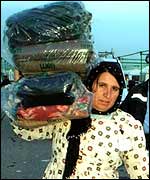
| | Wednesday, 15 January, 2003, 16:03 GMT 'Fortress Europe' boosts its defences  Critics say applicants are equated with criminals
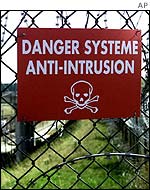
EU officials say that the system will help combat so-called "asylum shopping", whereby people make numerous asylum applications as they seek out the country offering the best conditions. But civil liberties groups have attacked the plan, saying that the measures contribute to the idea of "fortress Europe" and that asylum seekers are akin to criminals.
"It is extraordinary. It is treating as criminals people who do not deserve to be treated in that way. They have not committed any crime," Alan Gibson, from the UK-based Committee to Defend Asylum Seekers, told BBC News Online. "It reinforces the idea that asylum seekers are people to be looked down upon and gives a green light to prejudice and racism. We find it very worrying." The procedure:
The scheme, which cost 6.5m euros, was first conceived as a way to speed up the processing of asylum cases under the Dublin Convention - whereby all applicants should be processed by the first EU country they arrive in. However, Statewatch, an organisation which monitors state and civil liberties in the EU, says the scheme's remit has been extended much further.
"It will now apply to all people entering a country irregularly, they will also be fingerprinted and their details stored, which contributes to the problem of forced expulsions," Ben Hayes, a spokesman for the group, told BBC News Online. Anyone found to have crossed a border irregularly will have their details stored in the database for up to two years. Statewatch also takes issue with the fact that the tough new measures will apply to children, as anyone over the age of 14 will be checked. "It goes against the United Nations Convention on the Rights of the Child and is being used to widen the scope of the database. They should not be treated as adults," Mr Hayes said. Confidentiality questioned Of similar concern to civil liberties groups is the fact that the information will be stored for possible lengthy periods and that in the wake of 11 September law enforcement agencies want access to the information. The British Home Office says that it is impossible for police or security agencies to access an applicants details. A Home Office spokeswoman said that when the fingerprints are taken each individual is issued with a reference number. The only information passed on to Luxembourg is the fingerprints themselves, along with the sex of the individual and the country where the application is being processed. All transmissions are highly encoded and sent via a secure line and no names are ever included in the central database, she said. In order to ensure that the system is not abused each country has an authority responsible for monitoring how the information is collected, stored and transmitted on a domestic level. Boost for smugglers In turn, the system is overseen on a pan-European level by the Joint Supervisory Authority - a group made up of two representatives from the regulatory authority in each member state.
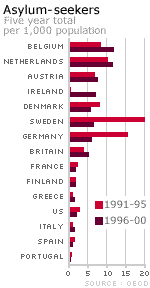
Questions are also being asked about whether the Eurodac system will even significantly deter spurious asylum seekers or the number of people making multiple applications. British Home Office Minister Beverley Hughes believes it will. "This database, in time, will provide us with a valuable resource to tackle multiple asylum applications and deter asylum shopping," she said. But Mr Gibson of the Committee to Defend Asylum Seekers says that in reality, rather than reducing the flood of people illegally entering Europe, it will just play into the hands of criminals who prey on immigrants. "In the past we've seen that the tougher the legislation gets, the more lucrative it gets for the people smugglers." | |
See also:  14 Sep 02 | Europe 28 Jul 01 | Europe 13 Jun 02 | South Asia 31 May 02 | Europe 30 Sep 02 | In Depth 23 Jul 02 | South Asia 24 Aug 02 | South Asia Internet links: The BBC is not responsible for the content of external internet sites Top Europe stories now: Links to more Europe stories are at the foot of the page. | |||||||||||||||||||||||||||||||||||||||||||||||||||||||||||||||||||||||||||||||||||||||||||||||||||||||||||||||||||||||||||||||||||||||||||||||||||||||||||||||||||||||||||||||||||||||||||||||||||||||||||||||||||||||||||||
 | |
|  E-mail this story to a friend E-mail this story to a friend |
| |
| Links to more Europe stories |
| | | ||
 | ||||
 | | Back to top
| ||
| ---------------------------------------------------------------------------------- To BBC Sport>> | To BBC Weather>> | To BBC World Service>> ---------------------------------------------------------------------------------- © MMIII | News Sources | Privacy |






 It reinforces the idea that asylum seekers are people to be looked down upon and gives a green light to prejudice and racism