|
 |
 | | | | | | ||||||||||||||||||||||||||||||||||||||||||||||||||||||||||||||||||||||||||||||||||||||||||||||||||||||||||||||||||||||||||||||||||||||||||||||||||||||||||||||||||||||||||||||||||||||||||||||
| | | You are in: Europe | ||||||||||||||||||||||||||||||||||||||||||||||||||||||||||||||||||||||||||||||||||||||||||||||||||||||||||||||||||||||||||||||||||||||||||||||||||||||||||||||||||||||||||||||||||||||||||||||||
|
| | Wednesday, 19 June, 2002, 13:45 GMT 14:45 UK Europe gripped by migrant myths Europe has a long history of migration
Public concern about European immigration has found unprecedented expression in the ballot box, propelling right and far-right parties to success in country after country. But now migration experts are warning that Europe is missing the point - with the reality of the continent's migrant needs clouded by misinformation and fear. Separating myth from reality is not easy, but the idea of the scrounging, bogus asylum seeker, is among the common misconceptions, say researchers.
"It's a big decision to migrate. Only the strongest people go. Big incentives are needed to leave your surroundings," says Johannes Pflegerl of the Austrian Institute for Family Studies. "Most migrants are younger people, usually with the best education and skills, even on a relatively low scale." Another popular conception is that mass migration is a modern, and inherently negative trend. "From the Stone Age onwards, people have migrated. If you can find a better life, you will," says the Kris Janowski of the United Nations refugee agency, UNHCR. Whether in search of land, peace, prosperity, easier farming or just to see what is over the next hill, movement of people is a simple fact of human history.
"Unlike the USA, Canada or Australia, no Western European country sees itself as an immigrant society," says the European Observatory on the Social Situation, Demography and Family, an Austrian-based body which studies migration and social patterns. "Most Europeans still consider mass migration to be the historical exception. Residing in the same place throughout one's life is considered to be normal." Of course, even in Europe, small-scale domestic migrations happen all the time. If you live in a poor suburb, you will probably aspire to move to the richer one across town.
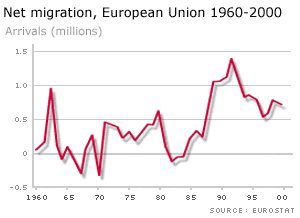
"People are now moving between continents because barriers have collapsed and transport is easier," says Kris Janowski. They are simply switching addresses for the better side of the global village - some lured by television images of a luxury lifestyle, others driven by desperation or poverty. Many of these moves are made possible by criminal gangs. Click here to see European migration patterns For centuries, European migration patterns consisted mainly of movement around the continent, or away from it. Millions fled religious persecution. Others were driven by hunger and poverty, including impoverished southern Europeans. Until as recently as the 1980s, Italy and Greece were net exporters of people. Within the past 50 years came dramatic change - the first large-scale immigration from outside Europe.
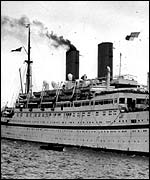
The numbers peaked in the early 1960s, creating a net European migration figure which is far higher than today's. West Indians and workers from the Indian sub-continent sailed for the UK. Millions of Turks crossed into Germany. North Africans set sail across the Mediterranean for France and Spain. These immigrants, mostly non-white, were not expected to stay, says Johannes Pflegerl. "It was envisaged that they would stay only a few years. But they settled, their firms wanted to keep them and their families followed them. "Now many European governments are trying to make seasonal work possible again. We are coming back to the rotation principle, but maybe we have not learned the lesson. It didn't work before," he says.
"Immigration is an explosive issue, but politicians will simply not address the big taboos," says Jonas Widgren of the International Centre for Migration Policy Development (ICMPD), an inter-governmental organisation with the task of investigating sustainable migration policies. "Number one is that immigration will continue, and is a fact of life, especially with the demographic changes ahead. "And number two is that migration will be very beneficial in the next 50-100 years, especially if we are going to keep Europe competitive." The "hottest" issue of all, he says, is that the pressure to move from developing countries is being perpetuated by Europe's own policies. The EU's protectionism, agricultural policies and subsidies are all contributing to making life tougher for the developing world, increasing the pressure for people to leave.
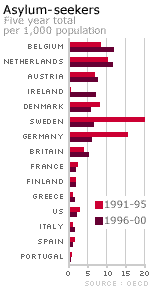
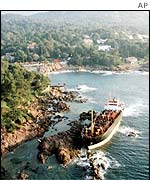
Today there are few legal means of entering Europe - mainly family reunions and temporary work permits. It leaves the asylum system to carry the weight of the migration wave. "There is a legitimate concern in Europe that the asylum system is being swamped," says the UN's Kris Janowski. "A way has to be found to separate the wave of migrants from the trickle of genuine refugees." Elusive figures Of course, not all the migrants even show up in the asylum system. Hundreds of thousands slip through Europe's borders and onto its coasts, unobserved and uncounted.
Bodies including the ICMPD estimate that the population of Europe is rising by roughly one million a year, including illegal immigration. The expanded European Union could, in fact, absorb three million migrants a year, says Jonas Widgren. But the public may not be ready to hear that. "It will take a long time after European enlargement before the time is right for people to accept that," says Mr Widgren. "But after the French and Dutch election results, I am personally optimistic that at least the debate will now begin." | |
See also:  13 Jun 02 | UK Politics 31 May 02 | Europe 30 May 02 | Europe 16 May 02 | Europe 20 May 02 | UK 21 May 02 | UK Politics Internet links: The BBC is not responsible for the content of external internet sites Top Europe stories now: Links to more Europe stories are at the foot of the page. | ||||||||||||||||||||||||||||||||||||||||||||||||||||||||||||||||||||||||||||||||||||||||||||||||||||||||||||||||||||||||||||||||||||||||||||||||||||||||||||||||||||||||||||||||||||||||||||||
| |
|  E-mail this story to a friend E-mail this story to a friend |
| |
| Links to more Europe stories |
| | | ||
 | ||||
 | | Back to top
| ||
| ---------------------------------------------------------------------------------- To BBC Sport>> | To BBC Weather>> | To BBC World Service>> ---------------------------------------------------------------------------------- © MMIII | News Sources | Privacy |