|
 |
 | | | | | | ||||||||||||||||||||||||||||||||||||||||||||||||||||||||||||||||||||||||||||||||||||||||||||||||||||||||||||||||||||||||||||||||||||||||||||||||||||||||||||||||||||||||||||||||||||||
| | | You are in: Europe | ||||||||||||||||||||||||||||||||||||||||||||||||||||||||||||||||||||||||||||||||||||||||||||||||||||||||||||||||||||||||||||||||||||||||||||||||||||||||||||||||||||||||||||||||||||||||
|
| | Tuesday, 28 May, 2002, 16:39 GMT 17:39 UK Spain's immigration 'stepping stone' The reception centre is rapidly filling up
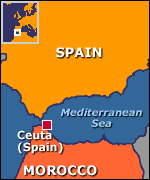
The flow of people crossing the border from Morocco into the Spanish enclave of Ceuta is unceasing. Every day up to 40,000 people pass legally into this tiny splinter of Spain on North Africa's Mediterranean coast to buy and sell everything from cigarettes and alcohol to clothes and toilet paper.
On the beach next to the border post, two teenagers in shorts drag washing machines lashed to makeshift rafts into the sea and float them along the coast to Morocco. Officers from Spain's Guardia Civil look on, but do nothing to stop them. It is not the trade in goods the police here are concerned about - it is the one in people. On a hill overlooking the Mediterranean, Ceuta's migrant reception centre houses nearly 400 people who have evaded the double barbed-wire fences, movement sensors and cameras designed to keep them out of the enclave. Desperate journey The centre started out as a series of makeshift huts, but the flow of refugees has been so great that it has been upgraded and turned into a permanent facility.
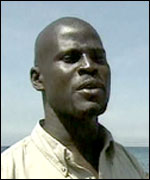
One of its residents is Kafumba Khomah, a 23-year old student from Liberia. As he looks out to sea, he relives the five-hour night-time swim that nearly cost his life. "An Arab man pointed to Ceuta and told me this is Spanish territory," he told me. "He said if I got here my problems could be over, so I just got into the sea and came here. I didn't know what would happen or whether I'd make it or not. When I got here I was very happy." In La Plaza de Los Reyes, Ceuta's main square, immigration is too well-worn a topic to provoke much open discussion. Local backlash Nevertheless Yolanda Gonzales, a journalist on the local newspaper, El Faro, says there is resentment among Ceutans at the arrival of so many migrants. "Ceuta is just a step on the way to Spain or the rest of Europe and this can cause a lot of problems," she says.
"Some of the immigrants stay in the reception camp, but some become robbers. "They have no papers, no money and no job. They can't get work legally, so they need money to survive." The rise of the far-right across Europe has prompted the Spanish Prime Minister Jose Maria Aznar to draw up proposals to be presented at next month's EU summit in Seville to tackle illegal immigration. As Spain considers ways of tightening Europe's external borders, it could do worse than start by looking at the situation on its own North African back door. | |
See also:  22 Aug 01 | Europe 11 Jul 01 | Europe Internet links: The BBC is not responsible for the content of external internet sites Top Europe stories now: Links to more Europe stories are at the foot of the page. | ||||||||||||||||||||||||||||||||||||||||||||||||||||||||||||||||||||||||||||||||||||||||||||||||||||||||||||||||||||||||||||||||||||||||||||||||||||||||||||||||||||||||||||||||||||||
| |
|  E-mail this story to a friend E-mail this story to a friend |
| |
| Links to more Europe stories |
| | | ||
 | ||||
 | | Back to top
| ||
| ---------------------------------------------------------------------------------- To BBC Sport>> | To BBC Weather>> | To BBC World Service>> ---------------------------------------------------------------------------------- © MMIII | News Sources | Privacy |