|
 |
 | | | | | | |||||||||||||||||||||||||||||||||||||||||||||||||||||||||||||||||||||||||||||||||||||||||||||||||||||||||||||||||||||||||||||||||||||||||||||||||||||||||||||||||||||||||||||||||||||||||||||||
| | | You are in: South Asia | |||||||||||||||||||||||||||||||||||||||||||||||||||||||||||||||||||||||||||||||||||||||||||||||||||||||||||||||||||||||||||||||||||||||||||||||||||||||||||||||||||||||||||||||||||||||||||||||||
|
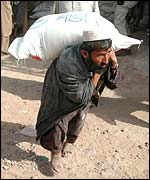
| | Thursday, 13 June, 2002, 23:42 GMT 00:42 UK UN seeks extra Afghan aid The agencies cannot cope with the number of returnees
The head of the United Nations refugee agency (UNHCR), Ruud Lubbers, is calling on European Union governments to provide almost $100m worth of extra cash that his agency needs to support large numbers of returning Afghan refugees. Speaking at an awards ceremony in London, he said that following the huge returns to Afghanistan over recent months, Afghans had dropped from the top of the table of nationalities claiming asylum in Europe.
Earlier this week UNHCR warned that it could run out of cash for its Afghan programme by the end of the month and several other aid agencies have reported similar problems. Rapid return Afghans have long been the largest single refugee group in the world. Until recently, three and a half million of them lived in Pakistan and Iran. Last year more than 50,000 Afghans claimed asylum in Europe, while thousands more headed for Australia. But after the fall of the Taleban, everything changed. Afghans began returning from Pakistan and Iran in huge numbers - the number claiming asylum in Europe has dropped by a third.
Mr Lubbers said his agency had already helped around a million Afghans to go home. But the rapid rate of return - which UNHCR says is the largest and fastest it has seen in a decade - combined with a lack of cash has left it and a number of other aid agencies struggling to respond. Mr Lubbers said the agency had been forced to revise its projections of Afghan refugee returns upwards from one and a quarter million to two million. But it was still well short of its budget needs and it and other agencies had had to cut some programmes for refugees. Forced cutbacks UNHCR had cut its shelter package for those who needed to rebuild their houses, the International Organisation for Migration had halted transport programmes for refugees and the World Food programme was running out of food for returnees. Mr Lubbers called on EU governments to make up the shortfall, implying that if they did not the number of Afghan asylum seekers arriving in Europe could start rising again. Certainly there is a feeling among many aid agencies that donors have been holding back cash until after the current loya jirga in Afghanistan. But some Afghan officials feel the cash shortage is not purely the donors fault. Ashraf Ghani, senior advisor to Afghanistan's new head of state, told the BBC that some aid agencies simply had not read the situation correctly and had hugely underestimated the number of refugees who would return. | |
See also:  13 Jun 02 | Asia-Pacific 31 May 02 | South Asia 11 May 02 | South Asia 19 Apr 02 | South Asia 10 Apr 02 | South Asia Internet links: The BBC is not responsible for the content of external internet sites Top South Asia stories now: Links to more South Asia stories are at the foot of the page. | |||||||||||||||||||||||||||||||||||||||||||||||||||||||||||||||||||||||||||||||||||||||||||||||||||||||||||||||||||||||||||||||||||||||||||||||||||||||||||||||||||||||||||||||||||||||||||||||
| |
|  E-mail this story to a friend E-mail this story to a friend |
| |
| Links to more South Asia stories |
| | | ||
 | ||||
 | | Back to top
| ||
| ---------------------------------------------------------------------------------- To BBC Sport>> | To BBC Weather>> | To BBC World Service>> ---------------------------------------------------------------------------------- © MMIII | News Sources | Privacy |