|
 |
 | | | | | | |||||||||||||||||||||||||||||||||||||||||||||||||||||||||||||||||||||||||||||||||||||||||||||||||||||||||||||||||||||||||||||||||||||||||||||||||||||||||||||||||||||||||||||
| | | You are in: Europe | |||||||||||||||||||||||||||||||||||||||||||||||||||||||||||||||||||||||||||||||||||||||||||||||||||||||||||||||||||||||||||||||||||||||||||||||||||||||||||||||||||||||||||||||
|
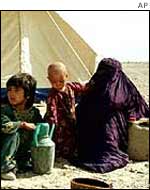
| | Thursday, 28 November, 2002, 17:54 GMT EU to repatriate Afghan refugees 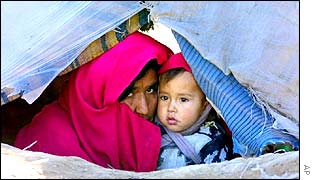 The EU says Europe has up to 400,000 Afghan refugees The European Union has agreed to begin repatriating thousands of Afghan refugees, starting with around 1,500 a month from 2003.
Ministers have agreed to spend 17m euros ($16.8m) in 2003 to fund the programme, including reception facilities in Afghanistan and financial incentives for those wanting to return, EU diplomats told Reuters news agency. However, human rights groups have criticised the decision. Amnesty International said in a statement that the plan "does not include appropriate safeguards regarding the security of returnees". The programme's success also depends largely on the co-operation of the Afghan Government. 'Asylum shopping' At a meeting in Copenhagen in September, the ministers backed a proposal to forcibly expel illegal refugees and immigrants. They asked the European Commission to come up with concrete proposals for financing both voluntary and forced repatriation. "We prefer voluntary re-admission, but we also agree that we must reserve the right to compulsory repatriation," Danish Immigration Minister Bertel Haarder, whose country holds the EU presidency, said at the time. The ministers also aimed to stop "asylum shopping" - the phrase used to describe how would-be refugees move through EU member states in an effort to find the best host country. Xenophobia fears The EU has said that the repatriation of refugees is a top priority in its asylum policy.
The European Commission - the EU's executive arm - has estimated that there are up to 400,000 Afghans currently living in Europe. About two million Afghans have returned to their homeland since the fall of the Taleban last year, mostly from neighbouring Pakistan and Iran. Afghan instability The UN High Commissioner for Refugees has warned that safety can not necessarily be assured in Afghanistan. And the Afghan Minister for Refugees, Enayetullah Nazeri, said in September that Afghans still faced a raft of problems in their homeland, including a lack of housing, employment, food and proper education. He added that he opposed forcing Afghans to return to their country. "If the outside world wanted to help Afghanistan it should not put pressure on Afghans to go back immediately," he said. | |
See also:  14 Sep 02 | Europe 28 Jul 01 | Europe 13 Jun 02 | South Asia 31 May 02 | Europe 30 Sep 02 | In Depth 23 Jul 02 | South Asia 24 Aug 02 | South Asia Top Europe stories now: Links to more Europe stories are at the foot of the page. | |||||||||||||||||||||||||||||||||||||||||||||||||||||||||||||||||||||||||||||||||||||||||||||||||||||||||||||||||||||||||||||||||||||||||||||||||||||||||||||||||||||||||||||
| |
|  E-mail this story to a friend E-mail this story to a friend |
| |
| Links to more Europe stories |
| | | ||
 | ||||
 | | Back to top
| ||
| ---------------------------------------------------------------------------------- To BBC Sport>> | To BBC Weather>> | To BBC World Service>> ---------------------------------------------------------------------------------- © MMIII | News Sources | Privacy |