|
 |
 | | | | | | |||||||||||||||||||||||||||||||||||||||||||||||||||||||||||||||||||||||||||||||||||||||||||||||||||||||||||||||||||||||||||||||||||||||||||||||||||||||||||||||||||||||
| | | You are in: Europe | |||||||||||||||||||||||||||||||||||||||||||||||||||||||||||||||||||||||||||||||||||||||||||||||||||||||||||||||||||||||||||||||||||||||||||||||||||||||||||||||||||||||||
|
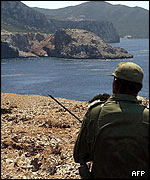
| | Friday, 19 July, 2002, 09:04 GMT 10:04 UK Spain's North African enclaves 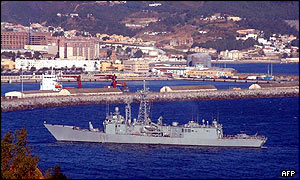 Spain has sent warships to Ceuta The Mediterranean enclaves of Ceuta and Melilla are the last vestiges of Spanish rule in northern Morocco, which ended in 1956. They have been European territories for more than 500 years, and Madrid insists it will not relinquish control of either. Together they occupy 32 square kilometres, and are home to about 120,000 mainly Spanish residents. With its rebuilt 15th century cathedral, shipyards and fish processing plant Ceuta is viewed by Spain as the more strategically valuable of the two.Melilla, further east along the coast, was conquered in 1497. Today it is a modern city, but retains its distinctive old walled area containing monuments and historic features. Both enclaves have local autonomy and are linked to Spain by ferry services to Malaga, Algeciras and Almeria. Borders and defence are controlled by Madrid. Scattered possessions In addition to Ceuta and Melilla, Spain maintains a scattering of tiny rocky islets along the North African coast including Perejil, now at the centre of a dispute between Rabat and Madrid. Spain concedes that Perejil - which means Parsley - has no strategic importance.
Its last inhabitants - Spanish legionnaires - departed in the 1960s. But commentators say the deployment of four Spanish warships to Ceuta and Melilla shows that Madrid would treat any potential threat to these enclaves much differently. The seven-kilometre steel fence separating Melilla from Morocco itself is another signal of this intent. Morocco regards the Spanish presence as irritating and anachronistic. It has sought the full devolution of both territories since 1975. Increasing migration of North Africans into Ceuta and Melilla - which enjoy a higher standard of living - and a slow decline in the resident Spanish population is a complicating factor. Given its proximity to Spain, many migrants see Ceuta as an ideal stepping stone to mainland Europe. And rising levels of drug and people trafficking in the area have in turn strained relations between Morocco and Spain. What do you think should happen to the Mediterranean enclaves of Ceuta and Melilla? Are you a resident of the enclaves? 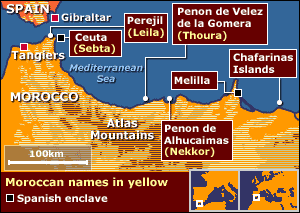 | |
Internet links:  The BBC is not responsible for the content of external internet sites Top Europe stories now: Links to more Europe stories are at the foot of the page. | |||||||||||||||||||||||||||||||||||||||||||||||||||||||||||||||||||||||||||||||||||||||||||||||||||||||||||||||||||||||||||||||||||||||||||||||||||||||||||||||||||||||
| |
|  E-mail this story to a friend E-mail this story to a friend |
| |
| Links to more Europe stories |
| | | ||
 | ||||
 | | Back to top
| ||
| ---------------------------------------------------------------------------------- To BBC Sport>> | To BBC Weather>> | To BBC World Service>> ---------------------------------------------------------------------------------- © MMIII | News Sources | Privacy |