|
 |
 | | | | | | ||||||||||||||||||||||||||||||||||||||||||||||||||||||||||||||||||||||||||||||||||||||||||||||||||||||||||||||||||||||||||||||||||||||||||||||||||||||||||||||||||||||||||||||||||||||||||||||||||||||||||||||||||||
| | | You are in: Europe | ||||||||||||||||||||||||||||||||||||||||||||||||||||||||||||||||||||||||||||||||||||||||||||||||||||||||||||||||||||||||||||||||||||||||||||||||||||||||||||||||||||||||||||||||||||||||||||||||||||||||||||||||||||||
|
| | Wednesday, 17 July, 2002, 15:45 GMT 16:45 UK Spaniards back Perejil military action 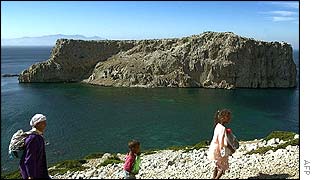 Until last week most Spaniards had never heard of Perejil
Most mainstream political parties have rallied around the government, with the Socialist opposition endorsing the intervention as a necessary move.
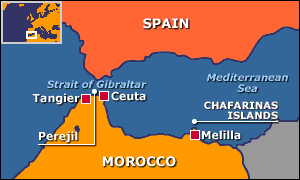
A readers' poll taken by the Madrid newspaper El Mundo in the past few hours shows a staggering 92% rate of approval for military intervention. Click here for a map of the area Participants take it for granted that the island is Spanish and as such, must be defended to preserve Spain's sovereignty.
Many of the comments revolve around the need for Spain to be seen to be acting against a perceived humiliation, instead - as several readers put it - of twiddling her thumbs. "Finally, our country has lifted a finger!" says one. "Long live Spain and long live the military, writes another." And yet another: "Perejil today, Ceuta tomorrow, then Andalusia! How long will we keep dropping our trousers in front of the Arabs?" Maintaining status quo The statement which the Spanish Foreign Minister, Ana de Palacio, made to Congress was much more measured. "I want to make it very clear that the aim of the Spanish government is to re-establish the rule of law, to return to the status quo which existed before the 11 July," she said.
"We have not changed our position. Before and after this morning's operation the Spanish Government said and defended the same thing, the return to the status quo and frank and constructive dialogue with Morocco," Mrs de Palacio added. She went on to recapitulate historical facts which she said justified Spain's position. But several Spanish commentators have pointed out that the legal status of Perejil is complex and open to interpretation. A sceptical note has also come from Spanish farmers - an important lobby - who worry that the deterioration in relations will undermine talks on agricultural trade between the EU and Morocco. But for many ordinary Spaniards, the dispute has touched a raw nerve, tapping into a long history of antagonism with the Arabs who once ruled them. More proof, if needed, that national sovereignty issues have an immediate popular appeal even in prosperous, sophisticated societies. | |
Internet links:  The BBC is not responsible for the content of external internet sites Top Europe stories now: Links to more Europe stories are at the foot of the page. | ||||||||||||||||||||||||||||||||||||||||||||||||||||||||||||||||||||||||||||||||||||||||||||||||||||||||||||||||||||||||||||||||||||||||||||||||||||||||||||||||||||||||||||||||||||||||||||||||||||||||||||||||||||
| |
|  E-mail this story to a friend E-mail this story to a friend |
| |
| Links to more Europe stories |
| | | ||
 | ||||
 | | Back to top
| ||
| ---------------------------------------------------------------------------------- To BBC Sport>> | To BBC Weather>> | To BBC World Service>> ---------------------------------------------------------------------------------- © MMIII | News Sources | Privacy |