|
 |
 | | | | | | |||||||||||||||||||||||||||||||||||||||||||||||||||||||||||||||||||||||||||||||||||||||||||||||||||||||||||||||||||||||||||||||||||||||||||||||||||||||||||||||||||||||||||||||||
| | | You are in: Africa | |||||||||||||||||||||||||||||||||||||||||||||||||||||||||||||||||||||||||||||||||||||||||||||||||||||||||||||||||||||||||||||||||||||||||||||||||||||||||||||||||||||||||||||||||||
|
| | Thursday, 18 July, 2002, 11:13 GMT 12:13 UK Moroccan disbelief at island drama 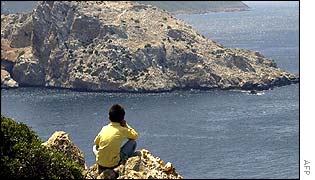 Moroccans never questioned they 'owned' the island
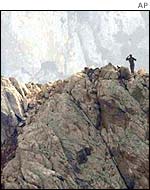
Atop the rocky cliffs of Morocco's Mediterranean coast near the village of Bel Younech, a group of locals sit and watch the goings on around the small island they know as Leila, less than 200 metres from the shore. They watch the Spanish patrol boats circle and helicopters pass overhead. With a set of binoculars, they play a game of trying to spot the Spanish soldiers who appear now and again among the rocks and caves of the island.
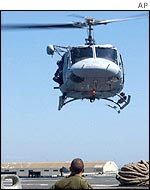
Some had been woken that morning at dawn by the sound of helicopters. Sixty two year-old Asilan Achilaf says when he heard the noise he came up to the cliff top and saw the Spanish military retaking the island with the help of four helicopters and a warship. One helicopter lowered a ladder, he recalls, and the Moroccans were taken aboard. They were then transferred to the warship that took them to the nearby Spanish sovereign enclave of Ceuta. 'Bully' The island has been at the centre of a diplomatic row between Morocco and Spain since 11 July, when a small group of Moroccan soldiers set up camp on the previously uninhabited island and planted their flag. Both Spain and Morocco claim the territory, and Spain demanded Morocco withdraw. When it refused, Spanish soldiers forcibly evicted the Moroccans and planted their flag. Mr Achilaf watched the unfolding drama in disbelief, he says. The island has always been part of his life. He is a fisherman and the fishing there is particularly good.
Like most of the locals, he had also kept some goats there to graze on the wild parsley that gives the island its Spanish name of Perejil. He would cross over to the island frequently to bring them water. He had never questioned that the island was part of Moroccan territory. If the goats could talk, even they would say they were Moroccan, says another local, Aziz Ziani, who now lives in Belgium but comes back every year to go deep-sea diving around the island. This year his holiday has been spoiled, he says. He accuses Spain of a lack of respect for Morocco. That is a common sentiment here. Moroccans feel that Spain misses no opportunity to bully its neighbour, particularly since the conservative party of the Spanish Prime Minister, Jose Maria Aznar, came to power. Close ties But at the same time there are close ties between this area and Spain. For centuries before independence in 1956, the north of Morocco was under a Spanish protectorate. Spanish is a second language here after Arabic, and much of the area survives on trade with the Spanish enclave of Ceuta. People here say they do not want trouble with the Spanish - they are neighbours. There is also a feeling here that the whole thing is a lot of fuss over nothing. It is crazy, one man told me, the island is no more than a rock. But they do not doubt, nonetheless, that it is a Moroccan rock. | |
Internet links:  The BBC is not responsible for the content of external internet sites Top Africa stories now: Links to more Africa stories are at the foot of the page. | |||||||||||||||||||||||||||||||||||||||||||||||||||||||||||||||||||||||||||||||||||||||||||||||||||||||||||||||||||||||||||||||||||||||||||||||||||||||||||||||||||||||||||||||||
| |
|  E-mail this story to a friend E-mail this story to a friend |
| |
| Links to more Africa stories |
| | | ||
 | ||||
 | | Back to top
| ||
| ---------------------------------------------------------------------------------- To BBC Sport>> | To BBC Weather>> | To BBC World Service>> ---------------------------------------------------------------------------------- © MMIII | News Sources | Privacy |