|
 |
 | | | | | | |||||||||||||||||||||||||||||||||||||||||||||||||||||||||||||||||||||||||||||||||||||||||||||||||||||||||||||||||||||||||||||||||||||||||||||||||||||||||||||||||||||||||||||||||||||||||||||||||||||||||||||||||||||
| | | You are in: Asia-Pacific | |||||||||||||||||||||||||||||||||||||||||||||||||||||||||||||||||||||||||||||||||||||||||||||||||||||||||||||||||||||||||||||||||||||||||||||||||||||||||||||||||||||||||||||||||||||||||||||||||||||||||||||||||||||||
|
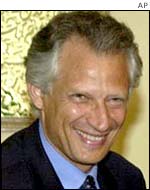
| | Friday, 3 January, 2003, 18:34 GMT France joins Korea diplomatic push  A North Korean diplomat said mediation could be positive France is to add its weight to the growing diplomatic pressure on North Korea to abandon its nuclear programme. Foreign Minister Dominique de Villepin is to visit China, Russia and South Korea - all of which are at the heart of efforts to persuade Pyongyang to stop the relaunch of its nuclear programme.
But South Korea has been trying to enlist the support of Pyongyang's long-time allies China and Russia to help it to avert a looming crisis. The new involvement of France could be another part of that plan. Paris takes on the presidency of the United Nations Security Council for January and fostered close links with Russia and China during negotiations about a resolution calling on Iraq to disarm. China dialogue 'valued' Mr de Villepin - now in Ivory Coast trying to stop an escalation of the civil conflict there - will start his trip in Moscow on 8 January where he will meet his Russian counterpart, Igor Ivanov, his ministry said. In Beijing, he will hold talks with President Jiang Zemin and Foreign Minister Tang Jiaxuan before going on to South Korea. Marie Masdupuy, a spokeswoman for Mr Villepin, said: "This trip comes at a time when two very serious situations are focusing world attention: Iraq and North Korea. In the current very delicate environment, we attach particular value to dialogue with China, which is a major partner," she added. On Friday, UK Foreign Secretary Jack Straw discussed the nuclear dispute with his Chinese counterpart. The two men also addressed the situation in Iraq, but no further details were available. Agreement broken North Korea has opposed the internationalisation of a situation it sees as a dispute purely with the US. But on Friday its ambassador to China said other countries who wanted a peaceful solution could play a "positive role".
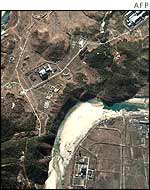
But it said it needed the Yongbyon plant to generate electricity after the US stopped sending aid shipments of oil. For its part, the US said it halted oil deliveries after North Korea had admitted carrying out banned nuclear work. Both Pyongyang and Washington say they want a peaceful resolution. But the US is refusing to talk until North Korea again dismantles its nuclear facilities - which Pyongyang is refusing to do. Amid that stand-off, South Korea has enlisted all the diplomatic support it can to stave off a conflict where it would probably be the biggest target. Continuing talks with Pyongyang - rather than sanctions and isolation - is the favoured policy of both South Korean President Kim Dae-jung and his successor Roh Moo-hyon who takes office next month. | |
See also:  02 Jan 03 | Asia-Pacific 01 Jan 03 | Asia-Pacific 31 Dec 02 | Asia-Pacific 31 Dec 02 | Asia-Pacific 02 Jan 03 | Asia-Pacific 03 Jan 03 | Business 03 Jan 03 | Asia-Pacific Internet links: The BBC is not responsible for the content of external internet sites Top Asia-Pacific stories now: Links to more Asia-Pacific stories are at the foot of the page. | |||||||||||||||||||||||||||||||||||||||||||||||||||||||||||||||||||||||||||||||||||||||||||||||||||||||||||||||||||||||||||||||||||||||||||||||||||||||||||||||||||||||||||||||||||||||||||||||||||||||||||||||||||||
 | |
|  E-mail this story to a friend E-mail this story to a friend |
| |
| Links to more Asia-Pacific stories |
| | | ||
 | ||||
 | | Back to top
| ||
| ---------------------------------------------------------------------------------- To BBC Sport>> | To BBC Weather>> | To BBC World Service>> ---------------------------------------------------------------------------------- © MMIII | News Sources | Privacy |