|
 |
 | | | | | | ||||||||||||||||||||||||||||||||||||||||||||||||||||||||||||||||||||||||||||||||||||||||||||||||||||||||||||||||||||||||||||||||||||||||||||||||||||||||||||||||||||||||||||||||||||||||||||||||||||||||||||||||||||||||||
| | | You are in: Asia-Pacific | ||||||||||||||||||||||||||||||||||||||||||||||||||||||||||||||||||||||||||||||||||||||||||||||||||||||||||||||||||||||||||||||||||||||||||||||||||||||||||||||||||||||||||||||||||||||||||||||||||||||||||||||||||||||||||||
|
| | Saturday, 28 December, 2002, 14:21 GMT UN attacks North Korea's 'defiance'  Tensions are rising across the region The UN's nuclear watchdog has declared North Korea to be in "complete defiance" of its international obligations, after Pyongyang ordered the expulsion of nuclear observers.
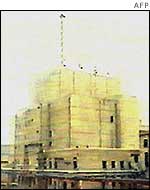
North Korea is in the midst of an escalating dispute with the United States, sparked by its alleged admission that it was resuming a nuclear programme, and Washington's retaliatory fuel sanctions. On Friday, tensions were further exacerbated when Pyongyang sent a letter to the IAEA demanding the withdrawal of observers, and announced it was reopening a nuclear reprocessing plant. "They are setting a very bad precedent," said Dr El Baradei. "They are now in complete defiance of their international obligations." Deal over The decision to reopen the reprocessing plant was a "real worry", said the IAEA chief.
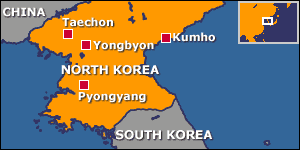
"That will produce the plutonium that could be directly used in manufacturing nuclear weapons." Although North Korea withdrew from the Nuclear Non-Proliferation Treaty in 1993, a year later it struck a deal with the US to freeze its nuclear programme and give access to IAEA monitors in exchange for fuel and aid. Pyongyang has now renounced this deal - possibly, observers suggest, to pressure the US into signing a non-aggression pact and into stumping up more aid. However, Washington has made clear that it will not start any negotiations until the new programme has been stopped. The US has warned it would be possible to wage war against Pyongyang even if involved in action against Iraq. Diplomatic drive In the hope of averting any conflict, South Korea is stepping up diplomatic efforts to stop the nuclear programme. It plans to send envoys to two of the North's allies - Russia and China - "at the earliest possible date" in an attempt to persuade them to intervene. Seoul hopes they will help to push North Korea to reconsider its decision to expel the inspectors and to reactivate its Yongbyon nuclear plant, which international experts say could be used for weapons production. Pyongyang however says it needs the plant to produce electricity after the US stopped aid shipments of fuel oil. A senior envoy from the United States is expected in Seoul within the next two weeks to co-ordinate Washington's policy towards the North with South Korea and Japan. In Seoul, the BBC's Kevin Kim says the atmosphere is becoming more tense. Most people had been hoping that North Korea's moves were aimed at putting pressure on the US to start new negotiations. But, as the situation escalates, growing numbers now worry that their communist neighbour's brinkmanship diplomacy may be going out of control, our correspondent says. On Friday, North Korea was accused of having moved banned machine guns into the demilitarised zone between it and the South six times in the past month. The border is heavily fortified and though the two Koreas signed an armistice, there has been no official peace treaty since fighting stopped in the Korean War nearly 50 years ago.
| |
See also:  28 Dec 02 | Media reports Internet links: The BBC is not responsible for the content of external internet sites Top Asia-Pacific stories now: Links to more Asia-Pacific stories are at the foot of the page. | ||||||||||||||||||||||||||||||||||||||||||||||||||||||||||||||||||||||||||||||||||||||||||||||||||||||||||||||||||||||||||||||||||||||||||||||||||||||||||||||||||||||||||||||||||||||||||||||||||||||||||||||||||||||||||
 | |
|  E-mail this story to a friend E-mail this story to a friend |
| |
| Links to more Asia-Pacific stories |
| | | ||
 | ||||
 | | Back to top
| ||
| ---------------------------------------------------------------------------------- To BBC Sport>> | To BBC Weather>> | To BBC World Service>> ---------------------------------------------------------------------------------- © MMIII | News Sources | Privacy |





 Nobody is interested in negotiating under blackmail