|
 |
 | | | | | | |||||||||||||||||||||||||||||||||||||||||||||||||||||||||||||||||||||||||||||||||||||||||||||||||||||||||||||||||||||||||||||||||||||||||||||||||||||||||||||||||||||||||||||||||||
| | | You are in: Asia-Pacific | |||||||||||||||||||||||||||||||||||||||||||||||||||||||||||||||||||||||||||||||||||||||||||||||||||||||||||||||||||||||||||||||||||||||||||||||||||||||||||||||||||||||||||||||||||||
|
| | Thursday, 12 December, 2002, 11:40 GMT North Korea ratchets up a crisis 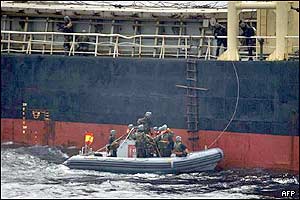 The North Korean ship was intercepted by the Spanish navy
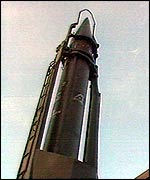
North Korea is retaliating not for the seizure of its ship carrying missiles to Yemen, but for the decision by the US and South Korea to suspend deliveries of heavy fuel oil supposed to tide North Korea over until two modern nuclear plants are built. That in turn was prompted by North Korea's alleged admission that it was actively pursuing a nuclear weapons option. Some western experts believe North Korea is trying to improve its bargaining position over energy supplies.
This is a crisis which keeps getting more intense, despite a policy decision by Washington that it should not attack North Korea. Missile exports not illegal It does seem ready, though, to step up the pressure on North Korea, especially over the export of missiles. This is not illegal, since North Korea is not part of the international agreement limiting the spread of this technology, the Missile Technology Control Regime (MTCR) This pressure may help explain why the US tracked and organised the capture of the North Korean ship. It does not explain what went wrong.
"It is ludicrous. You don't seize a ship, which is an act of war, unless you are prepared to stick to your guns - and they did not". He believes there was a breakdown of communication between the operational and the political leaderships. Yemen's missiles Nobody had found out that the missiles were going to Yemen under a government-to-government purchase. The US needs Yemeni support in the war against al-Qaeda and had to back down. It is thought that Yemen wants the rockets as a defence against any future conflict with Saudi Arabia. Several Middle East governments have already bought such missiles from North Korea. Iran has been a major customer of North Korea and fired numerous North Korean missiles on Iraq in the "war of the cities" in the 1980s. In turn, Iran has supplied Syria with the missiles. Originally, it was Egypt which gave North Korea the Scud which Egypt itself got from the Soviet Union. Given Washington's preoccupation with Iraq, it is unlikely that President George W Bush will provoke an outright confrontation with North Korea at this stage. Unlike Iraq, the North Koreans have powerful armed forces and could easily destroy much of South Korea. President Clinton drew up plans to bomb North Korea's nuclear facilities in the 1990s but never carried them out, fearing an extensive war and preferring negotiation. | |
See also:  11 Dec 02 | Middle East 11 Dec 02 | Asia-Pacific 10 Nov 02 | Americas 17 Nov 02 | Middle East 08 Nov 02 | Africa 07 Nov 02 | Middle East Internet links: The BBC is not responsible for the content of external internet sites Top Asia-Pacific stories now: Links to more Asia-Pacific stories are at the foot of the page. | |||||||||||||||||||||||||||||||||||||||||||||||||||||||||||||||||||||||||||||||||||||||||||||||||||||||||||||||||||||||||||||||||||||||||||||||||||||||||||||||||||||||||||||||||||
| |
|  E-mail this story to a friend E-mail this story to a friend |
| |
| Links to more Asia-Pacific stories |
| | | ||
 | ||||
 | | Back to top
| ||
| ---------------------------------------------------------------------------------- To BBC Sport>> | To BBC Weather>> | To BBC World Service>> ---------------------------------------------------------------------------------- © MMIII | News Sources | Privacy |






 The real intentions of the mysterious regime are not actually known.