|
 |
 | | | | | | |||||||||||||||||||||||||||||||||||||||||||||||||||||||||||||||||||||||||||||||||||||||||||||||||||||||||||||||||||||||||||||||||||||||||||||||||||||||||||||||||||||||||||||||
| | | You are in: Asia-Pacific | |||||||||||||||||||||||||||||||||||||||||||||||||||||||||||||||||||||||||||||||||||||||||||||||||||||||||||||||||||||||||||||||||||||||||||||||||||||||||||||||||||||||||||||||||
|
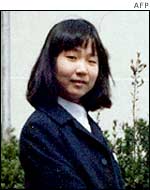
| | Monday, 18 November, 2002, 11:35 GMT Japanese anger over North Korean kidnaps 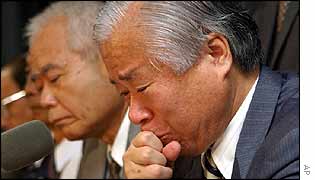 Shigeru Yokota does not believe his daughter is dead North Korea hoped the admission that its secret agents had kidnapped at least 13 Japanese in the 1970s and 1980s would end a long-running dispute. But as the BBC's Charles Scanlon in Tokyo discovers, it has merely stoked the Japanese public's anger. The Yokotas have gone through two months of anguish and frustration since North Korea admitted its agents had kidnapped their 13-year-old daughter, Megumi, in 1977. The elderly couple have re-launched a street campaign for her return because they do not believe North Korea's story that Megumi committed suicide nearly 10 years ago.
The girl is Megumi's daughter, whose existence was revealed by the North Korean authorities as they announced that her mother was dead. She urges her grandparents to come to see her in Pyongyang. Japanese suspicions But Mrs Yakota believes the girl is being used as bait by the North Koreans to try to get them to give up on Megumi. They are refusing to go to North Korea, insisting their granddaughter must be allowed to visit them in Japan.
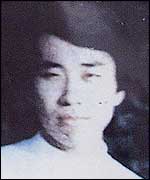
But ruling party MP Ichita Yamamoto says the tactic has backfired. "He thought he could get the economic assistance from the government of Japan easily," he says. "But he miscalculated the Japanese public opinion and underestimated the influence of public opinion to the government of Japan." No one in Japan believes North Korea's story that eight of the 13 abductees died from disease, accidents and suicide. The North Korean authorities have returned only one set of remains, supposedly of Kaoru Matsuki, who disappeared as a 26-year-old while visiting Spain. Forensic tests showed the ashes could not have been his. His elder sister says the North Koreans are playing games. "This just proves to me that Kaoru is still alive," she says. "I'm more determined than ever to save him. "I'm so angry that they can just tear our feelings to pieces like this." Emotional return The five abductees who are known to have survived returned to Japan last month. But the Japanese Government has failed to secure the return of their seven children who were left behind in Pyongyang. The five are resisting pressures to return to North Korea. Kaoru Hasuike was a 20-year-old university student when he was abducted from a beach in 1978. "The last month has gone so fast, just like a dream," he says. "We've been overwhelmed by all the support and sympathy we've received. "We want our children to join us here and we're relying on the government to bring that about." The Japanese Government is trying to take a tough line. It is demanding the release of the children and hard evidence about the fate of the eight others known to have been kidnapped. Ichita Yamamoto believes Japan holds the upper hand in negotiations. "I don't believe that North Korea will walk out of these talks because they definitely want to have economic assistance from the Japanese side," he says. But attempts to establish trust have failed dismally, and negotiations have been complicated by North Korea's alleged admission that it has been working secretly on a nuclear weapons programme. There is no end in sight to the ordeal of the kidnap victims and their families. | |
See also:  14 Nov 02 | Asia-Pacific 12 Nov 02 | Asia-Pacific 31 Oct 02 | Asia-Pacific 25 Oct 02 | Asia-Pacific 24 Oct 02 | Asia-Pacific 18 Oct 02 | Asia-Pacific 28 Oct 02 | Asia-Pacific 15 Oct 02 | Asia-Pacific Internet links: The BBC is not responsible for the content of external internet sites Top Asia-Pacific stories now: Links to more Asia-Pacific stories are at the foot of the page. | |||||||||||||||||||||||||||||||||||||||||||||||||||||||||||||||||||||||||||||||||||||||||||||||||||||||||||||||||||||||||||||||||||||||||||||||||||||||||||||||||||||||||||||||
| |
|  E-mail this story to a friend E-mail this story to a friend |
| |
| Links to more Asia-Pacific stories |
| | | ||
 | ||||
 | | Back to top
| ||
| ---------------------------------------------------------------------------------- To BBC Sport>> | To BBC Weather>> | To BBC World Service>> ---------------------------------------------------------------------------------- © MMIII | News Sources | Privacy |