|
 |
 | | | | | | |||||||||||||||||||||||||||||||||||||||||||||||||||||||||||||||||||||||||||||||||||||||||||||||||||||||||||||||||||||||||||||||||||||||||||||||||||||||||||||||||||||||||
| | | You are in: Asia-Pacific | |||||||||||||||||||||||||||||||||||||||||||||||||||||||||||||||||||||||||||||||||||||||||||||||||||||||||||||||||||||||||||||||||||||||||||||||||||||||||||||||||||||||||||
|
| | Friday, 19 July, 2002, 12:17 GMT 13:17 UK North Korea 'moves to market economy' 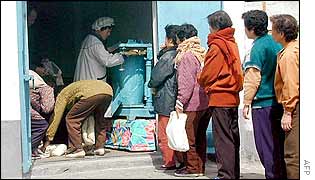 Rice has been rationed since 1948 Reports from North Korea suggest the authorities have begun moves to end the rationing of rice and sell it on the free market. The reports, quoting diplomatic sources, say workers are being given pay increases in compensation for price rises.
North Korea has relied on rationing to feed its people for decades and has had a centrally planned economy. But workers' wages will now be raised in line with their job performance, according to South Korea's Yonhap news agency. An unidentified North Korean official in Beijing told Yonhap: "The abolition of the rice rationing system and graded salaries will go into effect this month." 'Market forces spreading' The source said the developments showed "clear indications that some aspects of the market economy are gradually spreading into North Korea's planned economy". But another diplomatic source, who spoke to Reuters news agency, said the new system actually went into operation in June, prompting a sharp increase in wages and prices.
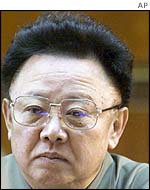
"The rationing system will be replaced with a new economic system in which all transactions and economic activities are settled with the won," he said. The new system would apply to all North Korean workers including labourers, farmers and bureaucrats, the source said. Food supplies have been badly affected in recent years by a series of natural disasters and the weakness of the North Korean economy. After severe famine hit the country in the mid-90s in which several hundred thousand people are said to have died, North Korea has become heavily reliant on international food aid. But a BBC correspondent in Seoul, Kevin Kim, says that recently the North's leader, Kim Jong-il, called for a new way of thinking, suggesting he was more open-minded about adopting capitalist systems in his country. The country - now with a population of 22 million people - has been Communist since 1948 when the state was founded under Kim Il-sung. | |
See also:  03 Jul 02 | Asia-Pacific 23 Oct 01 | Asia-Pacific 22 Oct 01 | Asia-Pacific 06 Nov 01 | Asia-Pacific 12 Feb 02 | Country profiles Internet links: The BBC is not responsible for the content of external internet sites Top Asia-Pacific stories now: Links to more Asia-Pacific stories are at the foot of the page. | |||||||||||||||||||||||||||||||||||||||||||||||||||||||||||||||||||||||||||||||||||||||||||||||||||||||||||||||||||||||||||||||||||||||||||||||||||||||||||||||||||||||||
| |
|  E-mail this story to a friend E-mail this story to a friend |
| |
| Links to more Asia-Pacific stories |
| | | ||
 | ||||
 | | Back to top
| ||
| ---------------------------------------------------------------------------------- To BBC Sport>> | To BBC Weather>> | To BBC World Service>> ---------------------------------------------------------------------------------- © MMIII | News Sources | Privacy |