|
 |
 | | | | | | ||||||||||||||||||||||||||||||||||||||||||||||||||||||||||||||||||||||||||||||||||||||||||||||||||||||||||||||||||||||||||||||||||||||||||||||||||||||||||||||||||||||||||||||||||||||||||||||||||||||||||||||||||||||||||||||||||||||||||||||||||
| | | You are in: Africa | ||||||||||||||||||||||||||||||||||||||||||||||||||||||||||||||||||||||||||||||||||||||||||||||||||||||||||||||||||||||||||||||||||||||||||||||||||||||||||||||||||||||||||||||||||||||||||||||||||||||||||||||||||||||||||||||||||||||||||||||||||||
|
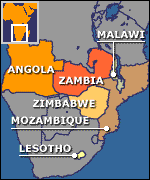
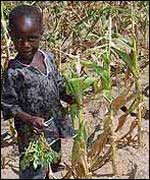
| | Thursday, 11 July, 2002, 15:01 GMT 16:01 UK Worry over famine aid shortfall Across southern Africa people rely on food aid The World Food Programme (WFP) has renewed its call for $500m to save 13 million people facing starvation across southern Africa. The WFP originally launched the appeal at the beginning of July but has only received offers of $130m towards its target. And $98m of that was pledged by the United States on Thursday.
It is estimated that a million tonnes of food will need to be sent to the region before the end of the year to meet food shortages from Malawi down to Lesotho. Until now, only Britain, Canada and the Netherlands had responded to the WFP call. The European Union (EU) says it is already giving substantial food aid to the region outside the WFP programme.
Drop in the ocean About 200,000 tonnes of food aid has been pledged by the EU, according to its spokesman for Development Cooperation and Humanitarian Aid, Michael Curtis. He told the BBC's World Today programme that aid worth $90m is being provided and this will rise to $150m by September. But the aid going in so far is a drop in the ocean, according to the BBC's southern Africa analyst Martin Plaut.
Unless international donors step up the speed and scale of their response, aid agencies fear that millions will be on the brink of total starvation. James Morris of WFP says: "Southern Africa faces the most serious humanitarian crisis in the world right now. There are 12.5 to 13 million people severely at risk as a result of weather, the drought, HIV/Aids and other political, complicating factors. "This is the most serious issue facing the world today in terms of a humanitarian context." Complicated by Aids The effects of the food crisis are magnified by the region's lack of funds for crucial services and by the ravages of Aids, according to David Nabarro, the World Health Organisation executive director for sustainable development.
He says the aid effort must not only concentrate on food provision but also health care and water supplies. Erratic rainfall has been blamed for crop failures and much of the shortages. This has been exacerbated, according to BBC correspondents in the region, by government mismanagement, political instability and the displacement of populations by conflict. | |
See also:  11 Jul 02 | Africa 06 Jun 02 | Africa 30 May 02 | Africa 29 May 02 | Business 29 May 02 | Africa 19 Feb 02 | Africa Internet links: The BBC is not responsible for the content of external internet sites Top Africa stories now: Links to more Africa stories are at the foot of the page. | ||||||||||||||||||||||||||||||||||||||||||||||||||||||||||||||||||||||||||||||||||||||||||||||||||||||||||||||||||||||||||||||||||||||||||||||||||||||||||||||||||||||||||||||||||||||||||||||||||||||||||||||||||||||||||||||||||||||||||||||||||
| |
|  E-mail this story to a friend E-mail this story to a friend |
| |
| Links to more Africa stories |
| | | ||
 | ||||
 | | Back to top
| ||
| ---------------------------------------------------------------------------------- To BBC Sport>> | To BBC Weather>> | To BBC World Service>> ---------------------------------------------------------------------------------- © MMIII | News Sources | Privacy |