|
 |
 | | | | | | ||||||||||||||||||||||||||||||||||||||||||||||||||||||||||||||||||||||||||||||||||||||||||||||||||||||||||||||||||||||||||||||||||||||||||||||||||||||||||||||||||||||||||||||||||||||||||||||||
| | | You are in: Europe | ||||||||||||||||||||||||||||||||||||||||||||||||||||||||||||||||||||||||||||||||||||||||||||||||||||||||||||||||||||||||||||||||||||||||||||||||||||||||||||||||||||||||||||||||||||||||||||||||||
|
| | Friday, 6 December, 2002, 02:52 GMT Postcard from Berlin 
It's in what used to be East Berlin, in Invalidenstrasse. He's heard of several in Berlin by the same name, but not in Invalidenstrasse.
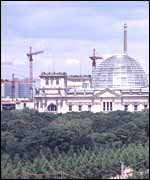
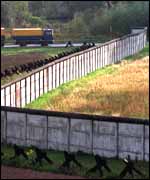
Up and down we go, the driver cursing more and more loudly the system of street numbering in the city. Finally we find the building - a brand new, white, rather characterless facade. I suppose I shouldn't be surprised at the taxi driver's difficulties. So much has changed since the fall of the Berlin Wall, or what the Germans call "Die Wende". Gateway to the east Soon afterwards there was a rash of new building. Now even the construction industry is having difficulties. A symptom of the economic malaise affecting the whole country. That's partly why I'm here. To look at whether Berlin, despite its difficulties, can become the much vaunted gateway to the east when the European Union expands in 2004.
A quick phone call to a journalist gives a taste of some of the doom and gloom - 17% unemployment in Berlin and the city authorities billions of euros in debt. Still, she says, it's a great city. And she's right. Not least the architecture, old and new. A trip across town to the Chamber of Commerce, situated in a stunning building resembling a giant glass and concrete armadillo. I'm there to see the Chamber's deputy head. He's upbeat. No, Berlin won't be the gateway, but rather a centre of expertise for anyone wanting to trade with the new EU members. And the future looks bright. Echoes of the past On the way back to the BBC bureau I pass through Friedrichstrasse railway station. Before the Wall fell, it was one of the main crossing points into East Berlin. I remember using the station while backpacking nearly 20 years ago.
I remember, too, the odd quietness of East Berlin and trying to get rid of reams of useless East German marks before heading back to the west at the end of the day. The city's strange recent past is rapidly receding. Yet at nearly every turn there is the odd reminder. In a dully lit street I come across a lecture hall, part of the Humboldt University. On it a memorial plaque to the physical chemist, philosopher and dissident Robert Havemann. The plaque says he gave lectures there in 1963/4 calling for more freedom within Communist East Germany. For that he was dismissed and banned from the university. The BBC World Service has a team providing special reports from around the continent on how the enlargement of the European Union is going to affect Europe's citizens. You can hear them on the World Today at 0600 GMT and on Europe Today at 1700 GMT. | |
See also:  06 Dec 02 | Europe 03 Dec 02 | Europe 02 Dec 02 | Europe 25 Oct 02 | Europe Internet links: The BBC is not responsible for the content of external internet sites Top Europe stories now: Links to more Europe stories are at the foot of the page. | ||||||||||||||||||||||||||||||||||||||||||||||||||||||||||||||||||||||||||||||||||||||||||||||||||||||||||||||||||||||||||||||||||||||||||||||||||||||||||||||||||||||||||||||||||||||||||||||||
| |
|  E-mail this story to a friend E-mail this story to a friend |
| |
| Links to more Europe stories |
| | | ||
 | ||||
 | | Back to top
| ||
| ---------------------------------------------------------------------------------- To BBC Sport>> | To BBC Weather>> | To BBC World Service>> ---------------------------------------------------------------------------------- © MMIII | News Sources | Privacy |