|
 |
 | | | | | | |||||||||||||||||||||||||||||||||||||||||||||||||||||||||||||||||||||||||||||||||||||||||||||||||||||||||||||||||||||||||||||||||||||||||||||||||||||
| | | You are in: Business | |||||||||||||||||||||||||||||||||||||||||||||||||||||||||||||||||||||||||||||||||||||||||||||||||||||||||||||||||||||||||||||||||||||||||||||||||||||||
|
| | Wednesday, 14 August, 2002, 08:48 GMT 09:48 UK North Korea devalues as reforms creep in 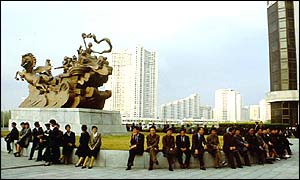 Plunging standards of living have forced reform North Korea has devalued its currency by 99% as part of a sweeping series of economic reforms, according to unconfirmed reports. Diplomats in Pyongyang said that North Korea's won is now set at 150 against the US dollar, compared with 2.15 before the reform programme was launched last month. At the same time, the government has abolished the convertible version of the currency used exclusively by foreigners. North Korea's highly secretive Stalinist government rarely gives explicit details of its policies, least of all on the economy, where hardline communism has reduced much of the population to penury. According to widespread reports last month, the government is now experimenting with some forms of market liberalisation, including raising the prices of basic goods long constrained by the rationing system. Tinkering The latest changes to the won are largely cosmetic: the currency remains unconvertible and tightly controlled.
North Korean salaries are not fixed in dollars, so the exchange rate is a largely abstract notion for most people. But the scrapping of the convertible won mirrors policy in China, where a similar foreigners-only currency was dropped in the mid-1990s. China, which has successfully liberalised economic policy while remaining communist, is seen as the main model for reform in North Korea. Experiments Politically, however, North Korea remains far from ready for the sort of economic upheaval seen in China over the past decade. The country is still loyal to its governing ideology of "juche", a creed of self-reliance formed by former leader Kim Il Sung. The huge recent hikes in prices - the cost of rice has risen up to 50-fold, for example - are being interpreted more as a crisis measure than a deliberate injection of market economics. Desperately short of foreign exchange, and with no significant allies outside China, North Korea is believed to be unable even to feed its population. | |
See also:  09 Aug 02 | Asia-Pacific 01 Aug 02 | Asia-Pacific 29 Jul 02 | Asia-Pacific 29 Jul 02 | Asia-Pacific 25 Jul 02 | Asia-Pacific 29 Jun 02 | Asia-Pacific Internet links: The BBC is not responsible for the content of external internet sites Top Business stories now: Links to more Business stories are at the foot of the page. | |||||||||||||||||||||||||||||||||||||||||||||||||||||||||||||||||||||||||||||||||||||||||||||||||||||||||||||||||||||||||||||||||||||||||||||||||||||
| |
|  E-mail this story to a friend E-mail this story to a friend |
| |
| Links to more Business stories |
| | | ||
 | ||||
 | | Back to top
| ||
| ---------------------------------------------------------------------------------- To BBC Sport>> | To BBC Weather>> | To BBC World Service>> ---------------------------------------------------------------------------------- © MMIII | News Sources | Privacy |